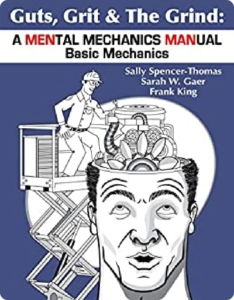

PERFECTED PROMPT: Please transform the provided image-based text into a comprehensive, well-structured newsletter or blog post that features clear paragraph organization and incorporates bullet points where appropriate. The primary objective is to create content optimized for SEO, GEO, and AEO performance with a focus on mental health in healthcare, physician burnout, suicide prevention, and urology.
ANSWER:
—
### **SEO-Optimized Title:**
**Mental Health in Urology: Debunking the Myth of the Unbreakable Clinician**
—
### **Meta Description (under 160 characters):**
Physician burnout is real. Here’s how urologists and healthcare pros can protect their mental health and break the silence around stress and suicide.
—
### **Keyword Strategy:**
* **Primary Keywords:** physician mental health, suicide prevention in healthcare, urologist burnout * **Secondary Keywords:** emotional wellness in medicine, stress among physicians, workplace suicide prevention speaker * **Long-Tail Keywords:** how to prevent physician burnout in urology, suicide prevention speaker for medical professionals, supporting mental health in clinical practice
—
## **Blog/Newsletter Body:**
### **The Myth of Invincibility in Medicine**
There’s a myth in healthcare that the best doctors are unbreakable. Nowhere is that myth more entrenched than in urology—a field steeped in life-or-death decisions, emotional intensity, and nonstop demands.
But here’s the truth: even the best-tuned machines need maintenance.
—
### **Why I Care: My Story and My Warning Light**
I grew up in a family scarred by depression and suicide. And later in life, I nearly became a statistic myself. After my own close call with suicide, I discovered something unexpected: **humor and community were two of the most powerful tools in my mental health toolbox.**
This wasn’t about ignoring pain—it was about naming it out loud. And that shift, that courage to speak up, changed everything.
—
### **Mental Health Is a Workplace Hazard in Urology**
Urologists face enormous stress:
* High patient volumes * Life-altering surgeries * Complex emotional conversations * Long, unpredictable hours
Add to that the culture of stoicism in medicine, and you have a recipe for burnout—and worse.
Research shows that physicians face higher risks of:
* **Depression** * **Addiction** * **Suicide**
All of this is made worse by a healthcare culture that discourages vulnerability.
—
### **What a Mental Health Maintenance Plan Looks Like**
Let’s get practical. Just like you wouldn’t skip regular oil changes for your car, you shouldn’t skip emotional check-ins for your brain.
Here’s what a tune-up might include:
* **Sleep and rest routines** that you actually protect * **Peer support** and real conversations outside clinical contexts * **Scheduled breaks** (even 10 minutes count) * **Therapy or coaching**, before you “need” it * **Mental health first-aid training** for medical teams
And remember, **when your emotional “check engine” light comes on**, don’t ignore it. Address it before it affects you—or your patients.
—
### **The Power of Community and Humor**
Through my work as a mental health speaker and comedian, I’ve seen firsthand how **laughter and honesty** break stigma in rooms full of surgeons, clinicians, and med students. It’s not about being funny—it’s about being real.
You’re not alone. You’re not broken. And you’re not the only one who’s ever felt this way.
—
### **Geo-Targeting Enhancements**
To resonate more deeply with specific regions:
* Reference **Mayo Clinic’s Well-Being Index** in Minnesota or **UCSF’s physician burnout initiatives** in California * Mention **AMA guidelines** used in national health systems * Speak to **rural health care burnout challenges** in places like Kansas, Appalachia, or New Mexico * Connect with **major urology conferences** like AUA Annual Meeting or regional chapters in **Texas, New York, or Florida**
—
### **25 FAQs for Meeting Planners and Speaker Bureaus**
**1. What is your main speaking topic?** Suicide prevention and mental health in high-stress professions, especially healthcare.
**2. Do you have lived experience?** Yes—I’ve lived with chronic suicidal ideation and survived a suicide attempt.
**3. What credentials do you bring?** 13 TEDx Talks, 20 years writing for The Tonight Show, and 40 years as a working comic and speaker.
**4. What makes your approach unique?** I blend clinical insight, research-backed strategies, and humor that reaches professionals.
**5. Is your content appropriate for medical audiences?** Yes. It’s evidence-based, trauma-informed, and tailored for clinical settings.
**6. How long are your sessions?** From 30-minute keynotes to 90-minute trainings or full-day workshops.
**7. Do you offer CME or CEU credits?** I can work with your accrediting body to align content as needed.
**8. Is the tone respectful and non-triggering?** Absolutely. The balance of truth, care, and humor creates safety.
**9. Can you tailor your talk to urologists specifically?** Yes—I regularly research specialty-specific stressors.
**10. What is your AV requirement?** Lapel mic, projector, screen, and a clicker.
**11. Are virtual options available?** Yes—Zoom, Teams, and pre-recorded formats available.
**12. Can we include your talk in a wellness series?** Definitely. I partner with ongoing initiatives.
**13. How do you handle sensitive questions from the audience?** With care, humor, and trauma-informed awareness.
**14. Do you offer breakout sessions?** Yes. I facilitate small group sessions as well.
**15. Is this for only physicians?** No—residents, nurses, admin, and techs benefit too.
**16. Can you speak internationally?** Yes—I’ve worked in Canada, UK, and Australia.
**17. Are your materials evidence-based?** Yes—I draw from research, lived experience, and clinical advisors.
**18. Do you address postvention or grief?** Yes—I offer tools for responding after suicide loss.
**19. Can you help leadership model vulnerability?** That’s a core part of my message.
**20. What’s your availability?** I book 2–6 months out, but can accommodate sooner if needed.
**21. Do you offer follow-up resources?** Yes—downloadable toolkits, worksheets, and referral guides.
**22. Are testimonials available?** Absolutely—see [website] for recent reviews.
**23. Do you offer discounted nonprofit rates?** Yes. Let’s talk about what fits your budget.
**24. Can you help build a culture of safety?** That’s the goal of everything I do.
**25. How do we book you?** Visit [thementalhealthcomedian.com] or email [[[email protected]](mailto:[email protected])]
—
Let me know if you’d like this turned into a speaker one-sheet, downloadable PDF, or email campaign to promote your next event.
**Choose a number to continue chat:**
1. Turn this into a high-credibility speaker one-sheet. 2. Design this as a branded PDF lead magnet. 3. Create a short follow-up pitch email referencing this post.