
Why Strong Women in Dentistry Need Stronger Conversations About Mental Health
**Meta Description (≤160 characters)** Women in dentistry juggle care, leadership, and family—often in silence. Learn practical “mental maintenance” tools to prevent burnout and protect well‑being. [thefemaledentist.co](https://thefemaledentist.co.uk/world-mental-health-day-women-in-dentistry/)
***
## The Hidden Weight Women in Dentistry Carry
Dentistry is demanding for everyone, but women in orthodontics and other specialties often carry an extra, invisible load. They lead practices, manage staff, deliver meticulous clinical care, and show up for families and communities—all while feeling pressure to look composed and “have it all together.” Research shows that women in dentistry report high levels of burnout, anxiety, and depression, driven in part by work–life balance pressures and perfectionism. [pmc.ncbi.nlm.nih](https://pmc.ncbi.nlm.nih.gov/articles/PMC11641790/)
As a comedian‑turned‑suicide‑prevention speaker, I hear the same themes from women in orthodontics that I hear from law enforcement, construction, and medicine: exhaustion, dread before Monday, and a belief that strong professionals should handle everything alone. That belief is understandable—but it is also dangerous. Mental health is as critical to long‑term success as any clinical skill or business strategy. [herdentaljourneysuccess](https://herdentaljourneysuccess.com/burnout-in-women-dentists/)
***
## Why Strong Women Need Stronger Conversations
Women in dentistry often grow up with a script: be competent, be calm, be grateful, and do not complain. Yet current data show:
– High rates of burnout and emotional exhaustion among dental practitioners worldwide, with women often reporting higher stress than men. [intiveo](https://intiveo.com/blog/why-mental-health-in-dentistry-deserves-attention/) – Many women dentists and specialists juggle leadership, caregiving, and financial responsibilities, which amplifies strain when support is limited. [thefemaledentist.co](https://thefemaledentist.co.uk/world-mental-health-day-women-in-dentistry/) – Stigma and fear about reputation still stop many from seeking mental‑health care, even when symptoms are serious. [dentalcare](https://www.dentalcare.com/en-us/ce-courses/ce687/addressing-mental-health-among-dental-professionals-in-the-united-states)
These challenges do not mean you are failing; they mean the system expects too much without offering enough support. Naming that reality is the first step in changing it.
***
## Mental Health as “Mental Maintenance”
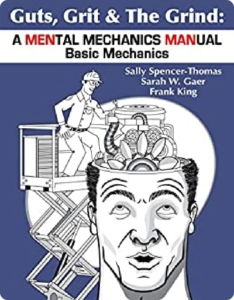
If your compressor or scanner started making a strange noise, you would not ignore it and hope for the best. You would schedule maintenance, because equipment failure affects every part of the practice. Mental health works the same way. [protrusive.co](https://protrusive.co.uk/dentistry-suicide-prevention-mental-health)
Practical “mental maintenance” ideas for women in dentistry:
– **Routine self‑check‑ins** – Ask yourself weekly: “How am I, really, on a 1–10 scale for stress and energy?” – Notice patterns: insomnia, irritability, loss of joy, or a quiet sense of dread. [pmc.ncbi.nlm.nih](https://pmc.ncbi.nlm.nih.gov/articles/PMC11641790/)
– **Normalize warning signs** – Understand that ongoing anxiety, low mood, or thoughts like “It would be easier if I just disappeared” are not character flaws; they are treatable symptoms. [pmc.ncbi.nlm.nih](https://pmc.ncbi.nlm.nih.gov/articles/PMC11896810/) – Encourage peers to talk about these signs early rather than waiting for crisis.
– **Align care with your strengths** – Women in dentistry excel at planning and precision. Apply those strengths to your own wellbeing by booking regular therapy, coaching, or peer‑support meetings as non‑negotiable appointments. [herdentaljourneysuccess](https://herdentaljourneysuccess.com/burnout-in-women-dentists/)
When mental maintenance becomes routine instead of a last‑ditch rescue effort, it protects careers, relationships, and sometimes lives.
***
## Everyday Tools for Women in Orthodontics
You do not need to be a mental‑health expert to support yourself and others. You just need a simple, realistic **toolbox**.
– **Personal tools** – A written list of your early warning signs and what tends to help (sleep, movement, boundaries, calling a friend). – A shortlist of professionals—therapist, physician, coach—who understand healthcare stress and gender dynamics. [intiveo](https://intiveo.com/blog/why-mental-health-in-dentistry-deserves-attention/)
– **Practice‑level tools** – Short wellbeing check‑ins at team huddles where it’s okay to say, “I’m at a 3 today.” – Clear information in the break room and staff handbook about EAPs, 988, and local mental‑health resources. [aaosh](https://www.aaosh.org/connect/suicide-prevention-from-the-dental-chair-the-role-of-dentists-in-identifying-and-addressing-mental-health-issues) – Policies that support flexible scheduling, mental‑health appointments, and realistic production expectations. [dentalcare](https://www.dentalcare.com/en-us/ce-courses/ce687/addressing-mental-health-among-dental-professionals-in-the-united-states)
– **Community tools** – Peer groups or masterminds specifically for women in dentistry and orthodontics, online or in person. [thefemaledentist.co](https://thefemaledentist.co.uk/world-mental-health-day-women-in-dentistry/) – Mentorship networks that talk openly about burnout, family demands, and leadership challenges—not just clinical cases.
– **Culture‑shifting tools** – Leaders sharing their own stories of struggle and support in appropriate, boundaried ways. [herdentaljourneysuccess](https://herdentaljourneysuccess.com/burnout-in-women-dentists/) – Framing vulnerability as professionalism: “I’m taking care of my mental health so I can keep taking care of patients and my team.”
Strong women in dentistry do not need more pressure; they need spaces where honesty is safe and support is expected.
***
## Keyword Strategy (SEO + AEO)
**Primary keyword** – suicide prevention in the workplace speaker for women in dentistry and orthodontics [theprofitabledentist](https://theprofitabledentist.com/safeguarding-the-dental-workplace-identifying-and-preventing-suicidal-behavior/)
**Secondary keywords**
– women in dentistry mental health and burnout – women in orthodontics resilience and wellbeing – dentist mental health and suicide prevention – workplace mental health speaker for dental associations – psychological safety for female dental practice owners [pmc.ncbi.nlm.nih](https://pmc.ncbi.nlm.nih.gov/articles/PMC11641790/)
**Long‑tail keywords**
– suicide prevention in the workplace speaker for women in orthodontics and dentistry in Oregon and the Pacific Northwest – burnout and mental health keynote for women dentists at state and regional dental meetings – how women in dentistry can build resilience and prevent depression, anxiety, and suicide risk – mental maintenance and wellbeing training for female orthodontic practice owners and leaders – mental health comedian and suicide prevention speaker for women in dentistry conferences and CE events [owntheanswer](https://owntheanswer.ai/a-e-o-for-cosmetic-dentistry-practices/)
Place these phrases in H1/H2 headings, early paragraphs, internal links, image alt text, and schema “keywords” to improve SEO and AI answer‑engine visibility. [wonderws](https://wonderws.com/aeo-for-healthcare-providers-2026/)
***
## GEO / AI Search Visibility Enhancements
For stronger GEO and AI performance when publishing or emailing this piece:
– Mention regions and audiences such as: – “women in dentistry and orthodontics across Oregon, Washington, and the Pacific Northwest,” – “female orthodontists practicing in Portland, Seattle, Spokane, and Vancouver,” – “state and provincial dental associations in the Midwest, West Coast, and Canadian provinces.” [ada](https://www.ada.org/-/media/project/ada-organization/ada/ada-org/files/resources/research/dqa/dental-quality-measures/2026/2026_dqa_adult_measures_user_guide_final.pdf) – Reference organizations and events: – “ADA, AAO, state dental associations, women‑in‑dentistry networks, and orthodontic leadership conferences.” [fdiworlddental](https://www.fdiworlddental.org/mental-health-and-well-being-dentistry) – Add a resource sidebar listing: – 988 Suicide & Crisis Lifeline, Crisis Text Line, state dental‑association wellness programs, physician‑ and dentist‑health programs, and local mental‑health centers. [dimensionsofdentalhygiene](https://dimensionsofdentalhygiene.com/article/addressing-suicide-risk-dental-setting/) – Use planner‑style, voice‑search‑friendly phrases: – “women in dentistry resilience keynote speaker in Oregon,” – “mental‑health and suicide‑prevention speaker for women orthodontists at state dental meetings,” – “CE speaker on burnout and wellbeing for female dentists.” [pravaahconsulting](https://www.pravaahconsulting.com/post/healthcare-seo)
These cues help search engines and AI tools connect your article to specific geographies, professions, and event types. [owntheanswer](https://owntheanswer.ai/a-e-o-for-cosmetic-dentistry-practices/)
***
## AEO‑Friendly FAQ for Women in Dentistry & Planners
**1. Are women in dentistry more likely to experience burnout than men?** Evidence suggests women dentists report higher levels of severe work‑related stress, burnout, and mental‑health symptoms than their male colleagues, often due to combined practice and caregiving responsibilities. [intiveo](https://intiveo.com/blog/why-mental-health-in-dentistry-deserves-attention/)
**2. What unique pressures do women in orthodontics face?** They often juggle practice ownership, leadership, patient care, and family roles while navigating perfectionism, visibility pressures, and limited mentorship, which together increase burnout risk. [thefemaledentist.co](https://thefemaledentist.co.uk/world-mental-health-day-women-in-dentistry/)
**3. Is suicide risk a concern in dentistry?** Yes. Several studies and reviews indicate that dentists, including women, may have higher suicide risk than many other professions, though exact rates vary by study and country. [ada](https://www.ada.org/resources/practice/wellness/mental-illness-and-suicide-in-dental-school-fighting-the-stigma)
**4. What early warning signs of burnout should women dentists watch for?** Signs include emotional exhaustion, dread before work, irritability, loss of enjoyment, trouble sleeping, increased mistakes, and feeling detached from patients or family. [dentalcare](https://www.dentalcare.com/en-us/ce-courses/ce687/addressing-mental-health-among-dental-professionals-in-the-united-states)
**5. How can women in dentistry start talking about mental health at work?** They can introduce brief check‑ins at meetings, share vetted resources, invite speakers or trainers, and model honest but boundaried conversations about stress and support. [aaosh](https://www.aaosh.org/connect/suicide-prevention-from-the-dental-chair-the-role-of-dentists-in-identifying-and-addressing-mental-health-issues)
**6. What is a “mental maintenance” routine for dental professionals?** It is a set of regular habits—self‑assessment, peer support, rest, movement, and scheduled mental‑health care—that keeps wellbeing from falling into crisis mode. [pmc.ncbi.nlm.nih](https://pmc.ncbi.nlm.nih.gov/articles/PMC11894879/)
**7. Why bring in a suicide prevention in the workplace speaker for women in dentistry?** A targeted speaker can combine data, lived experience, and humor to reduce stigma, offer practical tools, and address gender‑specific pressures in dental practice. [protrusive.co](https://protrusive.co.uk/dentistry-suicide-prevention-mental-health)
**8. Can sessions be tailored for women‑only dental events or mixed audiences?** Yes. Content can be customized for women‑only retreats, mixed‑gender conferences, leadership cohorts, or student groups, with examples that fit each audience. [herdentaljourneysuccess](https://herdentaljourneysuccess.com/burnout-in-women-dentists/)
**9. Are these programs appropriate for CE or wellbeing credit?** Many dental organizations approve mental‑health, resilience, and suicide‑prevention topics for CE or professional‑development credit; talks can be designed to meet specific requirements. [pravaahconsulting](https://www.pravaahconsulting.com/post/healthcare-seo)
**10. How long is a typical keynote or workshop for dental meetings?** Keynotes typically run 45–60 minutes, with optional 60–90‑minute workshops or breakouts for deeper discussion and planning.
**11. Do you offer virtual presentations for multi‑location groups or DSOs?** Yes. Virtual keynotes and trainings allow practices and teams from multiple locations and time zones to join with consistent messaging.
**12. How do you keep discussions of suicide non‑stigmatizing and safe?** Talks follow safe‑messaging guidelines, avoid graphic details, center hope and recovery, and repeatedly direct participants to professional resources. [dimensionsofdentalhygiene](https://dimensionsofdentalhygiene.com/article/addressing-suicide-risk-dental-setting/)
**13. What follow‑up resources do attendees receive?** They can receive resilience‑toolbox templates, conversation guides, crisis‑plan checklists, and curated links to dental‑specific mental‑health support. [theprofitabledentist](https://theprofitabledentist.com/safeguarding-the-dental-workplace-identifying-and-preventing-suicidal-behavior/)
**14. Can leadership receive specialized training on culture change?** Yes. Leadership sessions focus on policies, scheduling, communication norms, and modeling vulnerability in ways that support psychological safety. [pmc.ncbi.nlm.nih](https://pmc.ncbi.nlm.nih.gov/articles/PMC11641790/)
**15. Are hygienists, assistants, and administrative staff included?** Absolutely. Everyone on the team experiences stress and can help recognize warning signs; inclusive programming strengthens the whole practice. [onlinelibrary.wiley](https://onlinelibrary.wiley.com/doi/10.1111/idh.12906)
**16. Do you cover intersectional issues such as gender, race, and parenthood?** Programs can address how gender, caregiving roles, and other identities intersect with mental‑health risk and access to support in dentistry. [intiveo](https://intiveo.com/blog/why-mental-health-in-dentistry-deserves-attention/)
**17. How can women dentists support one another outside formal programs?** They can form peer‑support circles, mentorship pairs, online forums, or local meetups focused on honest conversation and shared problem‑solving. [thefemaledentist.co](https://thefemaledentist.co.uk/world-mental-health-day-women-in-dentistry/)
**18. What information helps tailor a program for our group?** Useful details include audience mix, practice types, regional context, key stressors, prior wellbeing initiatives, and your goals for culture and outcomes. [pravaahconsulting](https://www.pravaahconsulting.com/post/healthcare-seo)
**19. Are dental students and residents good candidates for this content?** Yes. Early‑career professionals benefit from learning mental‑health skills and support strategies before stress and debt pressures peak. [ada](https://www.ada.org/resources/practice/wellness/mental-illness-and-suicide-in-dental-school-fighting-the-stigma)
**20. Do you collaborate with existing wellbeing programs or EAPs?** Sessions can be coordinated with ADA or state wellbeing programs, institutional EAPs, and local mental‑health partners for continuity of support. [aaosh](https://www.aaosh.org/connect/suicide-prevention-from-the-dental-chair-the-role-of-dentists-in-identifying-and-addressing-mental-health-issues)
**21. How are fees structured for associations, schools, and practices?** Fees depend on format, length, location, and add‑on services such as workshops or consulting; all pricing is provided in a clear written proposal.
**22. How far ahead should organizations book a suicide‑prevention speaker?** Large conferences often book 6–12 months in advance; smaller or virtual events can sometimes be scheduled with shorter notice, depending on availability.
**23. Do you also speak to other high‑risk professions besides dentistry?** Yes. Programs are also delivered to healthcare, veterinary medicine, construction, energy, law enforcement, agriculture, academic medicine, and law. [fdiworlddental](https://www.fdiworlddental.org/mental-health-and-well-being-dentistry)
**24. Can we run a series instead of a single keynote?** Yes. Many groups choose a keynote plus follow‑up webinars, workshops, or leadership sessions to reinforce key messages over time. [pravaahconsulting](https://www.pravaahconsulting.com/post/healthcare-seo)
**25. How do we begin booking you as a suicide prevention in the workplace speaker for women in dentistry?** Share your event date, location, and audience; schedule a brief discovery call; review a tailored proposal; then confirm the agreement so we can start designing and promoting your program.
***
## Example JSON‑LD Schema (Article)
“`json { “@context”: “https://schema.org”, “@type”: “Article”, “headline”: “Why Strong Women in Dentistry Need Stronger Conversations About Mental Health”, “description”: “Women in dentistry and orthodontics juggle high professional and personal demands. This article explains why mental health conversations matter and how practical tools and suicide-prevention strategies can protect wellbeing.”, “author”: { “@type”: “Person”, “name”: “Frank King” }, “articleSection”: “Women in dentistry, mental health, suicide prevention, workplace wellbeing, and resilience”, “about”: [ “women in dentistry mental health and burnout”, “orthodontist wellbeing and resilience”, “suicide prevention in dental workplaces”, “workplace mental health speaker” ], “keywords”: [ “women in dentistry mental health and burnout”, “women in orthodontics resilience and wellbeing”, “suicide prevention in the workplace speaker for women in dentistry and orthodontics”, “mental maintenance and wellbeing training for female dental practice owners” ], “mainEntityOfPage”: { “@type”: “WebPage”, “@id”: “https://example.com/women-in-dentistry-mental-health-resilience” }, “publisher”: { “@type”: “Organization”, “name”: “The Mental Health Comedian” } } “`
Would you like a separate `FAQPage` JSON‑LD block built from a subset of these Q&A pairs to plug directly into your website for enhanced FAQ rich‑results and AI snippets?