
Meta Description (≤160 characters) Dentists face intense stress, burnout, and isolation. Learn how a “mental maintenance” plan can protect your wellbeing and your practice for the long haul.
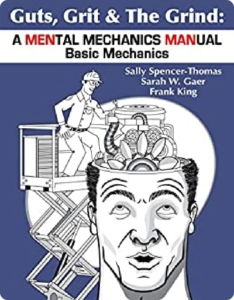
Why Mental Maintenance Matters in Dentistry Dentistry is a calling, but it can also feel relentlessly demanding and isolating. Dentists juggle clinical precision, patient anxiety, business pressures, staff issues, and the unspoken expectation to be calm and confident every minute of the day. Over time, that pressure can create a quiet chorus of questions: “How much longer can I keep this up? Is it supposed to feel this hard?”
Mental health data and lived experience suggest those questions are more common than most practices admit. Dentistry, like many health professions, sees elevated rates of burnout, depression, and suicidal thinking. A “mental maintenance” plan is not about weakness; it is about protecting the very skills and empathy that make you good at your job.
A Mental Maintenance Plan for Dental Professionals Just as you would never tell a patient to ignore early signs of decay, you cannot afford to ignore warning lights in your own life. A practical mental‑health plan for dentists can include:
Checking your gauges regularly
Notice shifts in energy, patience, mood, or enjoyment of the work.
Watch for dread before entering the operatory, persistent irritability, or emotional numbness.
Treat these changes as data, not moral failures, and as a signal to adjust before burnout deepens.
Building a recovery toolbox
Peer support: colleagues you can speak honestly with about stress, mistakes, and self‑doubt.
Boundaries: learning to say “no” to double‑booking, constant after‑hours messages, or roles that stretch you too thin.
Professional support: therapists, coaches, or physician‑level care when symptoms persist.
Healthy outlets: movement, creative work, time with family, faith practices—whatever reliably helps you reset.
Changing the culture in your practice
Leaders model honesty by admitting when they are struggling and seeking help.
Staff meetings include mental‑health check‑ins, not just production numbers and schedules.
Policies support breaks, vacations, and mental‑health appointments without shame.
Creating a relapse‑prevention plan
Identify your personal triggers: difficult patients, certain procedures, financial stress, or long stretches without time off.
Decide in advance whom you will contact—colleague, spouse, therapist, help line—when those triggers pile up.
List quick actions that help you reset: stepping out for a short walk, rescheduling non‑urgent tasks, or asking a partner to cover a particularly hard case.
Dentists who invest in mental maintenance often report more energy, stronger relationships with patients and staff, and longer, more satisfying careers. The goal is not perfection; it is sustainability.
Keyword Strategy (SEO + AEO) Primary keyword
suicide prevention in the workplace speaker for dentists and dental teams
Secondary keywords
dentist burnout and mental health
dental professional stress and suicide prevention
mental maintenance plan for dentists
workplace mental health speaker for dental associations
dental practice wellness and psychological safety
Long‑tail keywords
suicide prevention in the workplace speaker for dental associations and study clubs
dentist burnout and mental health keynote for state dental meetings in [STATE]
how dental practices can reduce stress, burnout, and suicide risk
mental maintenance and resilience training for dentists, hygienists, and dental teams
dental conference speaker on suicide prevention using humor and lived experience
Use these phrases in your H1/H2 headings, opening paragraphs, internal links, image alt text, and schema fields to strengthen SEO and AI answer‑engine visibility.
GEO / AI Search Visibility Enhancements To optimize for GEO and AI search:
Mention specific regions and audiences, such as:
“dentists and dental teams across Oregon and the Pacific Northwest,”
“state dental associations in Portland, Seattle, and Boise,” or
“Midwest dental practices from Chicago to Des Moines.”
Reference relevant organizations and event types:
“state dental associations, ADA component societies, dental schools, and local study clubs.”
Include a resource box:
988 Suicide & Crisis Lifeline, Crisis Text Line, state‑specific hotlines, dentist‑oriented wellness programs, and any EAP or medical‑association supports your audience commonly uses.
Use planner‑style phrases:
“dental meeting suicide‑prevention keynote speaker in [STATE],”
“dentist burnout and resilience speaker for annual dental conference,”
“mental health and wellness speaker for dental study club.”
These details help search engines and AI tools connect your article with real locations, organizations, and search queries.
AEO‑Friendly FAQ for Dentists & Meeting Planners 1. Why are dentists at risk for burnout and mental‑health challenges? Dentists often manage high patient expectations, technical precision, financial pressures, staff management, and long hours in relatively isolated settings, which together can contribute to chronic stress, burnout, and depression.
2. What are early warning signs that a dentist may be burning out? Common signs include persistent fatigue, irritability, dread before work, difficulty concentrating, increased mistakes, emotional numbness, or feeling disconnected from patients and staff.
3. How can a mental maintenance plan help dentists? A mental maintenance plan gives dentists a structured way to monitor their wellbeing, use peer and professional support, set boundaries, and respond early when stress escalates, reducing the risk of crisis or career dissatisfaction.
4. Does talking openly about mental health and suicide increase risk? No; evidence and clinical experience show that discussing mental health and asking direct, compassionate questions about suicidal thoughts does not put ideas in someone’s head and can reduce shame and encourage help‑seeking.
5. What simple steps can a practice take to support dentist and staff wellbeing? Practices can schedule regular check‑ins, normalize counseling and time off, integrate mental‑health topics into staff meetings, adjust scheduling to avoid constant overload, and clearly share available resources.
6. Why bring in a suicide prevention in the workplace speaker for dental meetings? A specialized speaker can combine research, lived experience, and appropriate humor to break stigma, provide practical tools, and give dental teams a shared language for addressing burnout and suicide risk.
7. Can programs be customized for general dentists, specialists, and hygienists? Yes; content can be tailored for general practice, specialties such as endodontics or oral surgery, dental hygienists, assistants, and front‑office teams.
8. Are these programs appropriate for dental students and residents? Absolutely; early‑career professionals benefit from learning mental‑maintenance strategies and crisis‑planning skills before stress and debt pressures peak.
9. Can sessions qualify for CE or professional‑wellness credit? Many dental boards and associations allow mental‑health and wellness topics for CE; programs can be aligned with specific state or national requirements.
10. What outcomes can dental associations expect from these sessions? Typical outcomes include reduced stigma, increased awareness of warning signs, more open conversations within practices, and greater use of available support resources.
11. How long is a typical keynote or workshop for dental conferences? Keynotes typically run 45–60 minutes, with optional 60–90‑minute workshops or breakout sessions for deeper discussion and practice.
12. Do you offer virtual programs for multi‑location groups or study clubs? Yes; virtual keynotes and trainings can reach dentists, hygienists, and team members across multiple offices or states.
13. How do you ensure the topic is addressed in a non‑stigmatizing way? Talks follow safe‑messaging guidelines, avoid graphic detail, emphasize hope and recovery, and repeatedly direct attendees to professional help.
14. What follow‑up materials do attendees receive? Participants can receive checklists, conversation scripts, crisis‑plan templates, and curated links to dental‑friendly mental‑health resources.
15. How can practice owners keep the conversation going after the event? Owners can include wellbeing check‑ins at huddles, schedule periodic refreshers, and designate wellness champions to coordinate ongoing efforts.
16. Do you discuss the impact of debt and business pressures on dentist mental health? When relevant, programs address student‑loan burdens, production goals, and overhead pressures as real contributors to stress and burnout.
17. Is this program suitable for mixed audiences of dentists and medical professionals? Yes; examples can be adjusted so both dental and medical professionals see themselves in the stories and tools.
18. What information helps you tailor a session to our group? Useful details include audience size and roles, practice settings (private, DSO, academic), main stressors, recent critical incidents, and your goals for change.
19. Do you collaborate with existing wellness initiatives or dental‑support programs? Yes; talks can amplify and align with ADA wellness programs, state association initiatives, or corporate wellness strategies.
20. Can you help us design a longer‑term mental‑health strategy, not just a one‑time talk? Follow‑up options include series programming, leadership coaching, and periodic virtual sessions to move from awareness to sustained culture change.
21. Are family members or office managers welcome at these sessions? Yes; involving spouses, partners, and key managers can strengthen support networks and reinforce changes at work and home.
22. How are your fees structured for dental associations and groups? Fees depend on format (in‑person vs. virtual), length, location, and add‑on workshops or consulting, with transparent proposals provided in advance.
23. How far in advance should we book a suicide‑prevention speaker for our dental event? State and regional meetings often book 6–12 months in advance; smaller or virtual events can sometimes be scheduled sooner.
24. Do you speak to other high‑risk professions in addition to dentistry? Yes; similar programs are delivered to healthcare, veterinary medicine, construction, agriculture, legal professionals, first responders, and energy workers.
25. How do we start booking you as a suicide prevention in the workplace speaker for dentists? Share your event date, location, and audience; schedule a brief discovery call; review a customized proposal; then confirm the agreement so we can begin promoting your program.
Example JSON‑LD Schema (Article + FAQ) json { “@context”: “https://schema.org”, “@type”: “Article”, “headline”: “Why Dentists Need a Mental Maintenance Plan—And How to Build One”, “description”: “Dentists face high levels of stress, burnout, and isolation. This article explains how a mental maintenance plan and suicide-prevention tools can protect dental professionals and their practices.”, “author”: { “@type”: “Person”, “name”: “Frank King” }, “articleSection”: “Dental professional mental health, burnout, and suicide prevention”, “about”: [ “dentist burnout and mental health”, “dental suicide prevention”, “workplace mental health speaker”, “practice wellness and resilience” ], “keywords”: [ “dentist burnout and mental health”, “dental professional stress and suicide prevention”, “mental maintenance plan for dentists”, “suicide prevention in the workplace speaker for dentists” ], “mainEntityOfPage”: { “@type”: “WebPage”, “@id”: “https://example.com/dentist-mental-maintenance-plan” }, “publisher”: { “@type”: “Organization”, “name”: “The Mental Health Comedian” } }