
PERFECTED PROMPT: Please transform the text content from the provided image into a comprehensive and well-structured newsletter or blog post. Begin by organizing the information into clear paragraphs and incorporate bullet points where appropriate to enhance readability. Your goal is to create an engaging and informative piece that is optimized for SEO, GEO, and AEO standards…
ANSWER:
SEO-Optimized Title
Why Career Services Professionals Must Prioritize Mental Health: A Resilience Tune-Up for the Helpers
Meta Description (under 160 characters)
Burnout in college recruiting is real. Here’s how career services professionals can protect their mental health and support each other.
Keyword Strategy
Primary Keywords: mental health in career services, suicide prevention speaker, workplace mental health
Secondary Keywords: burnout in higher education, stress in college recruiting, resilience for career counselors
Long-Tail Keywords: how to prevent burnout in student services, suicide prevention speaker for university staff, mental health strategies for career development teams
Main Blog Post: Mental Health in Career Services: When the Helpers Need Help
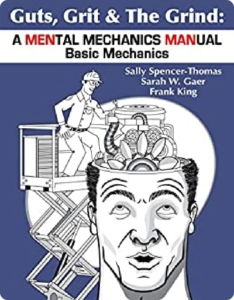
In the world of college recruiting and career services, professionals are often the engines that keep everyone else running. You’re the mechanics—tuning, fixing, pushing others forward while rarely pausing to check your own warning lights.
But burnout has become the profession’s silent epidemic. With the pace of change, constant pressure to meet evolving student and employer needs, and being expected to always be “on,” even the strongest among us risk running on empty.
I understand that firsthand. My path has taken me from stand-up comedy to crisis and back again—through the power of storytelling and connection. I’ve learned that the bravest thing you can do isn’t hiding your struggles—it’s bringing them into the open.
Why Mental Health Still Feels Taboo in Higher Ed
Many professionals still equate openness about mental health with weakness. But the reality is:
Vulnerability is strength.
Connection is healing.
Burnout is not a personal failure—it’s a professional epidemic.
In my talks, I’ve seen CEOs, career counselors, and first-year staffers alike drop their emotional armor when they realize they’re not alone.
What a Mental Health Tune-Up Looks Like
Want to protect yourself and your team? Start with the basics:
Sleep: Are you really resting—or just collapsing?
Support systems: Who do you talk to outside of work?
Boundaries: Can you say no without guilt?
Self-care: Is it sustainable—or a last-ditch effort?
And when needed—call in the mechanic. That might be a therapist, coach, or trusted colleague. The key is to act before the breakdown.
Key Takeaway
You matter. Your work matters. Don’t run on empty.
The work you do changes lives. But the best way to keep helping others is to make sure you’re okay, too.
Geo-Targeting Enhancements
To connect more deeply with regional audiences, tailor your messaging to local education systems, community colleges, and workforce development hubs. For example:
In Texas, reference THECB mental health initiatives or community college growth.
In California, link to CCC mental health funding or Silicon Valley employer partnerships.
In the Midwest, speak to tight-knit campus cultures and mental health access disparities.
In New England, mention Ivy League pressure culture and rural resource gaps.
25 Frequently Asked Questions (FAQs) for Booking a Suicide Prevention Speaker in Higher Ed and Career Services
1. What is your main topic as a speaker? Suicide prevention and mental health support in workplace and education settings.
2. Do you have lived experience? Yes. I live with chronic suicidal ideation and use storytelling to educate, not dramatize.
3. Who is your talk for? Career services professionals, college recruiters, HR staff, and educators.
4. Do you offer keynotes and workshops? Yes. I offer both formats depending on event goals.
5. Can you present virtually? Absolutely—Zoom, Teams, Webex-compatible.
6. Are your presentations customizable? Yes. I tailor every session to your team, culture, and region.
7. Is humor part of your talk? Yes—used appropriately to connect and disarm, never to diminish the topic.
8. How long is your talk? Standard keynotes run 45–60 minutes. Workshops can be half-day.
9. Can you provide CEUs or certificates? Yes—depending on your accrediting body.
10. Is this relevant to student audiences too? Yes. Versions are available for student-facing events and leadership training.
11. What is your availability? Flexible. Most bookings are confirmed 1–6 months in advance.
12. Are there handouts or follow-up resources? Yes—PDFs, worksheets, and post-event guides included.
13. What kind of AV setup do you need? Just a mic, projector, and screen. Wireless clicker preferred.
14. How do we book you? Visit [YourWebsite.com] or email [[email protected] ].
15. Do you have past clients we can speak to? Yes. Testimonials and references available on request.
16. Can we record the session? With prior agreement, yes.
17. What if we have a limited budget? Reach out. I’m happy to work within reason or explore sponsorships.
18. Do you talk about postvention? Yes—especially how to support a team after a suicide loss.
19. Are your talks inclusive and trauma-informed? Absolutely. Language is non-stigmatizing, LGBTQIA+ inclusive, and peer-reviewed.
20. What makes your approach different? I blend research, humor, and real-life experience in a way that’s authentic, accessible, and actionable.
21. Can you help leaders support their teams better? Yes. I offer specific tools for manager-level audiences.
22. Do you offer repeat or retainer-style engagements? Yes. I partner with campuses and organizations for ongoing support.
23. How do you handle Q&A? Open and optional. Attendees can submit anonymously if preferred.
24. Can we co-brand the content? Yes—for internal campaigns or educational initiatives.
25. Is this appropriate for high-pressure settings? Yes. I speak often at hospitals, financial institutions, and HR summits.