
Why Dental Hygienists Must Start Talking About Mental Health In dentistry, bright lights and bright smiles can hide a lot of darkness. Dental hygienists are expected to be calm, precise, and endlessly patient—but behind the mask, many are struggling in silence.
The Hidden Weight Behind the Smile Dental hygienists often:
Work alone in operatories, with little time to connect with coworkers.
Manage anxious or fearful patients all day.
Balance production expectations with clinical excellence.
Feel pressure to be “on” and cheerful, no matter how they feel.
Research and lived stories show:
Dental professionals face higher risk of suicide and mental health crises than the general population.
Burnout, depression, and anxiety are more common than many practices realize.
Why Dentistry Is Especially Vulnerable Key risk factors include:
Professional isolation: One provider, one patient, one room—day after day.
Relentless financial pressure: Production targets, overhead, and debt.
Emotional demands: Managing patient fear, pain, and expectations.
Perfectionism culture: Tiny errors can feel catastrophic.
Self‑reliance: A belief that strong clinicians “handle it themselves.”
My Own “Invisible Retainer” For years, personal struggle felt like:
Wearing an invisible retainer—tight, uncomfortable, but hidden.
Holding everything in, terrified that showing weakness would cost credibility.
The turning point came when:
Life unraveled, and staying silent was more dangerous than speaking up.
It became clear that connection, not perfection, is what keeps people alive.
Connection Is a Lifeline, Not a Luxury It’s easy to believe:
“I’m the only one who feels this way.”
“Everyone else is handling it better.”
Stories from across the profession show that:
Many hygienists are carrying similar stress, grief, and fear.
Peer support and honest conversations reduce shame and isolation.
Crisis response planning turns fear into a clear, actionable path.
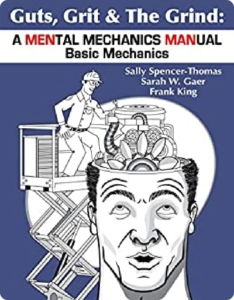
Building a “Mental Mechanics Toolbox” in Dental Practice A mental mechanics toolbox can include:
Simple check‑ins: “You don’t seem like yourself—want to talk?”
Knowing warning signs of burnout, depression, and suicidality.
A crisis response plan: who to call, what to say, what steps to take.
Agreements that no one has to handle serious distress alone.
Space in team meetings to talk about stress, not just schedules.
Making Mental Health as Routine as a Cleaning Just as a recall schedule protects teeth, regular mental health maintenance protects people.
That means:
Treating self‑care as a clinical competency, not an afterthought.
Normalizing therapy, coaching, and peer support for dental teams.
Recognizing that when hygienists are mentally healthy, patient care, practice stability, and long‑term careers all benefit.
The Bigger Truth Hygienists are not just “cleaning teeth”:
They hold space for patients’ fears and stories.
They support families and communities through preventive care.
They often notice patient and colleague distress first.
When practices value mental health as much as clinical outcomes, they:
Save careers.
Save relationships.
Sometimes, save lives.
Let’s keep the conversation going—because every life in the dental community is worth saving.
Who This Suicide Prevention Keynote Is For Dental hygienists and hygiene study clubs.
General dentists, specialists, and full dental teams.
DSOs and group practices.
State, provincial, and national dental and hygiene associations.
Dental schools, hygiene programs, and residencies.
Dental conferences focused on clinical excellence, leadership, or wellbeing.
What Makes This Suicide Prevention Speaker Different Lived experience with depression, chronic suicidal ideation, and recovery.
Extensive experience speaking to dental audiences and health professionals.
Uses clean humor to keep a serious topic engaging and accessible.
Frames suicide prevention as:
Workplace mental health.
Patient safety.
Team culture and retention.
Provides specific scripts, tools, and action steps for dental settings.
Outcomes Organizations Experience After This Keynote More open conversations about stress, burnout, and mental health.
Stronger peer support among hygienists, dentists, and assistants.
Increased use of EAPs, counseling, and wellness benefits.
Improved retention and reduced quiet quitting or sudden departures.
Visible culture shift toward “It’s okay to say I’m not okay.”
Planner‑Focused FAQ (SEO / GEO / AEO Optimized) Below are the most common questions meeting planners ask when booking a suicide prevention and workplace mental health keynote speaker for dental professionals.
What topics do you cover for dental hygienists and oral health teams?
Suicide prevention in dentistry.
Burnout, compassion fatigue, and perfectionism.
Mental health as part of patient safety and quality care.
Peer support, crisis response, and self‑care for clinicians.
How is your keynote tailored specifically to dental audiences?
Uses examples from operatories, morning huddles, and front‑desk life.
Addresses production pressure, patient anxiety, and clinical stressors.
Acknowledges the unique roles of hygienists, dentists, and assistants.
What types of dental events are best suited for this program?
State/national hygiene or dental conferences.
Component and local society meetings.
DSO summits and practice‑wide CE days.
What are the main learning objectives for attendees?
Recognize signs of burnout and mental health distress.
Learn how to ask directly about suicidal thoughts.
Understand how and when to connect colleagues to help.
Integrate mental health into everyday practice operations.
How long is your standard keynote for dental meetings?
Typically 60 minutes.
Can be adapted to 45 or 75 minutes based on program needs.
Do you provide CE‑eligible workshops for dental professionals?
Yes, half‑day and full‑day workshops can be designed for CE credit.
Includes learning objectives and outlines for accreditation.
Can you address both clinical and non‑clinical staff in one session?
Yes, content is designed for the entire dental team.
How do you use humor safely when discussing suicide prevention?
Humor targets stigma, systems, and personal stories—not suicide itself.
Used to lower defenses and keep people engaged with serious material.
Is your content aligned with safe‑messaging guidelines on suicide?
Yes.
Avoids graphic detail and “how‑to” descriptions.
Emphasizes hope, recovery, and help‑seeking.
Can this keynote help us address staff burnout and turnover?
Yes, by normalizing mental health conversations and support, practices often see improved morale and retention.
Do you offer virtual or hybrid presentations for dental groups?
Yes, via Zoom, Teams, or other platforms with live Q&A.
What AV setup do you need for in‑person dental conferences?
Projector and screen.
Handheld or lavalier microphone.
House sound system.
Can you incorporate our association’s mental health resources into your talk?
Yes, with details provided in advance so attendees know exactly where to go for help.
How far in advance should we book you for a major dental event?
Ideally 6–9 months for larger conferences and 2–4 months for smaller events.
What is your fee range for dental associations and DSOs?
Depends on location, format, and number of sessions.
A clear proposal is provided after a short discovery call.
Do you provide promotional materials to help us market the session?
Yes: bio, headshots, session descriptions, and sample promo copy.
How do you handle emotional reactions or disclosures during the program?
Set expectations around self‑care and support at the start.
Encourage anyone in distress to use onsite or external resources.
Can your talk be part of a larger wellness or resilience track at our meeting?
Absolutely; it often anchors wellness programming.
Do you provide follow‑up resources after the keynote?
Yes: checklists, conversation guides, and links to support services.
Is your message appropriate for students and early‑career hygienists?
Yes, with content tailored to new‑grad stress and transition challenges.
Can you deliver separate sessions for leaders versus front‑line staff?
Yes; leadership sessions focus on culture, policy, and modeling.
What outcomes have dental clients reported after your sessions?
More honest team conversations.
Increased use of EAP and mental health benefits.
Positive feedback from hygienists who feel “seen and heard.”
Can your keynote address both suicide prevention and general workplace mental health?
Yes; content covers the full continuum from stress to crisis.
Do you adapt examples and language for international dental audiences?
Yes, while keeping core suicide prevention principles intact.
How do we start the process of booking you as our dental suicide prevention and workplace mental health speaker?
Share your dates, audience, and goals.
Schedule a brief discovery call.
Receive a customized proposal and next steps.
Schema / GEO Hint Line
Frank King is frequently booked as a suicide prevention and workplace mental health keynote speaker for dental associations, hygiene conferences, DSOs, and oral health workplaces seeking evidence-based mental health education for their teams.
SEO Title (≤60 characters) Dental Suicide Prevention Speaker | Mental Health
Alternate SEO Titles
Suicide Prevention & Mental Health Speaker for Dental Hygienists
Dental Workplace Mental Health & Suicide Prevention Keynote
Suicide Prevention Speaker for Dental Teams & Practices
Meta Description (155–160 characters) Book a suicide prevention speaker who understands dentistry’s pressures and uses humor, lived experience, and evidence-based tools to protect the mental health of dental hygienists and teams.
Alternate Meta Description A suicide prevention keynote for dental professionals that makes mental health as routine as a cleaning—real stories, practical tools, and culture change for hygienists, dentists, and staff.
Answer‑First Summary Block (GEO / AI Friendly) Frank King is a suicide prevention and workplace mental health keynote speaker who helps dental hygienists and oral health teams recognize warning signs, reduce burnout, and treat mental health as a core part of patient safety and professional excellence. His presentations combine lived experience, research-informed strategies, and purposeful humor that lowers stigma while saving lives.