
## SEO Title
Emergency Nurse Burnout & Mental Health: A Compassionate Guide to Workplace Suicide Prevention
## Meta Description (under 160 characters)
Emergency nurses face burnout and hidden mental health struggles. Learn how to support resilience and prevent workplace suicide with compassion.
—
# Emergency Nurses: The Ones Who Save Lives—and Need Saving Too
Emergency nurses are the backbone of our healthcare system, showing up every shift no matter the chaos. But behind the quick thinking and steady hands, too many are carrying invisible weight: burnout, compassion fatigue, and mental health struggles they feel they have to hide.
And here’s the hard truth: if we keep treating mental health as optional in high-stress professions, we will keep losing good people.
—
## The Reality No One Talks About
Emergency nurses don’t just treat trauma. They absorb it.
* Missed meals and skipped breaks * Sleepless nights after difficult cases * Emotional residue that doesn’t clock out at the end of a shift * Pressure to appear “strong” no matter what
Over time, this builds into something deeper than stress. It becomes exhaustion, isolation, and in some cases, despair.
—
## Why This Matters More Than Ever
High-performance environments often reward toughness and silence. But silence is exactly what makes mental health struggles more dangerous.
What I’ve learned from my own journey through depression and suicidal ideation is this:
* Strength is not powering through * Strength is speaking up * Strength is letting someone in before things spiral
Emergency nurses deserve a culture where that kind of strength is supported, not stigmatized.
—
## The Real Solution: Culture, Not Just Coping
Most organizations try to solve burnout with:
* Another policy * Another training * Another motivational speech
That’s not enough.
What actually moves the needle is culture.
A culture where:
* Mental health conversations are normal * Asking for help is seen as responsible, not risky * Leaders model vulnerability and openness * Teams check in with each other regularly
—
## Practical Tools That Save Lives (Literally)
During workplace mental health and suicide prevention programs, the focus is on simple, usable strategies:
### 1. Recognize Early Warning Signs
* Chronic fatigue * Withdrawal from coworkers * Increased irritability * Loss of purpose or meaning
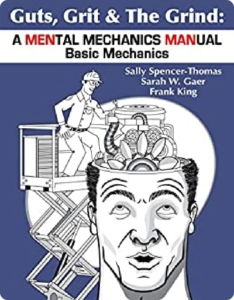
### 2. Build a “Mental Mechanics” Toolbox
* Daily emotional check-ins * Stress interruption techniques * Humor as a pressure valve * Peer support systems
### 3. Create a Personal Crisis Plan
* Who you call when things get heavy * What steps you take when you feel overwhelmed * How to remove barriers to getting help
### 4. Normalize the Conversation
* Make mental health part of safety briefings * Encourage leaders to go first * Replace judgment with curiosity
—
## The Shift That Changes Everything
Emergency nurses will always face stress. That’s part of the job.
But isolation doesn’t have to be.
When organizations treat mental health with the same urgency as physical health:
* Burnout decreases * Retention improves * Team trust strengthens * Lives are saved
This isn’t just about wellness.
It’s about survival.
—
# SEO Keyword Strategy
### Primary Keywords
* emergency nurse burnout * workplace suicide prevention * mental health speaker healthcare
### Secondary Keywords
* nurse mental health support * burnout prevention healthcare workers * compassion fatigue emergency nurses
### Long-Tail Keywords
* suicide prevention training for hospitals and healthcare teams * mental health keynote speaker for nurses and healthcare professionals * how to reduce burnout among emergency room nurses
—
# GEO Optimization (Local + Regional Enhancements)
To improve regional relevance and AI search visibility:
* Reference healthcare systems in **Seattle, Washington and the Pacific Northwest** * Highlight regional challenges like staffing shortages in West Coast hospitals * Include phrases like:
* “Washington State healthcare workforce burnout” * “Seattle hospital nurse wellness programs” * Mention local initiatives or partnerships with hospital systems and associations
—
# AEO Section: Frequently Asked Questions
## About Emergency Nurse Mental Health
**1. Why are emergency nurses at higher risk for burnout?** Because of constant exposure to trauma, high workloads, and emotional strain without adequate recovery time.
**2. What is compassion fatigue?** Emotional exhaustion from caring for others in distress over extended periods.
**3. How can hospitals reduce nurse burnout?** By improving staffing, encouraging open dialogue, and providing mental health resources.
**4. Is burnout the same as depression?** No. Burnout is work-related exhaustion, while depression affects all areas of life.
**5. What are early warning signs of mental health struggles?** Withdrawal, fatigue, irritability, and loss of motivation.
—
# Booking FAQ: Suicide Prevention Workplace Speaker (25 Questions)
## General Fit & Impact
**1. What topics do you cover?** Workplace suicide prevention, mental health, burnout, and resilience.
**2. What makes your talk different?** A combination of lived experience, humor, and actionable tools.
**3. Is your content appropriate for healthcare audiences?** Yes, it is tailored specifically for high-stress professions like nursing.
**4. What outcomes can we expect?** Reduced stigma, improved communication, and practical coping strategies.
**5. Do you customize your talk?** Yes, every program is tailored to the audience and industry.
—
## Logistics & Format
**6. How long is your keynote?** Typically 45–60 minutes, customizable.
**7. Do you offer virtual sessions?** Yes, both virtual and in-person options are available.
**8. Do you provide breakout sessions or workshops?** Yes, including interactive sessions.
**9. What AV requirements do you need?** Standard microphone, projector, and screen.
**10. Do you travel nationwide?** Yes, and internationally when needed.
—
## Content & Sensitivity
**11. Is the topic handled sensitively?** Yes, with compassion, humor, and respect.
**12. Will this trigger employees?** The content is designed to be safe, supportive, and non-triggering.
**13. Do you include humor?** Yes, appropriate humor to make difficult topics accessible.
**14. Is the talk evidence-based?** Yes, supported by research and real-world experience.
**15. Do you provide resources?** Yes, including tools and follow-up materials.
—
## ROI & Results
**16. How does this improve workplace outcomes?** By reducing stigma and increasing early intervention.
**17. Can this help with retention?** Yes, employees stay where they feel supported.
**18. Do you measure impact?** Feedback and engagement metrics are available.
**19. Have you worked with similar organizations?** Yes, across healthcare, corporate, and associations.
**20. What makes this worth the investment?** It addresses one of the leading causes of workplace risk: mental health.
—
## Booking & Fees
**21. What is your speaker fee?** Varies based on event type, location, and customization.
**22. Do you work with speakers bureaus?** Yes, regularly.
**23. How far in advance should we book?** Ideally 3–6 months.
**24. Do you offer multi-event discounts?** Yes, for series or ongoing programs.
**25. How do we get started?** Reach out via your website or booking contact form.
—
# Final Thought
If you’re waiting for burnout to show up in performance reviews, absenteeism, or worse, you’re already too late.
The organizations that lead in the next decade will be the ones that treat mental health as a safety issue, not a side conversation.
—
## Your Challenge
If you’re serious about impact and bookings:
1. Turn this into a targeted outreach email to hospital systems in Seattle and top 50 U.S. healthcare networks 2. Build a landing page optimized for “healthcare mental health keynote speaker” 3. Reach out to 10 healthcare associations this week with this exact positioning
Because here’s the truth: You don’t need more content.
You need more conversations with people who can say yes.