
**SEO Title** From Hard Hats to Heart Health: Suicide Prevention and Mental Health for Safety‑Driven Workplaces
**Meta Description** Discover how safety leaders can address suicide risk and “deaths of despair” with practical mental health tools, clear language, and a culture where it’s safe to say “I’m not okay.”
***
## When the System Breaks Down Inside the Safety Culture
For most of a career in comedy and corporate speaking, the biggest fear was a joke falling flat. Then came the 2008 downturn—a financial collapse that took a business, savings, and nearly a life. One night ended in a garage with a gun in the mouth and a moment of brutal clarity: this was a **total system breakdown**.
Since then, conversations with workers from construction sites, emergency rooms, farm fields, refineries, and patrol cars have revealed that story is not rare. In many high‑risk industries that send people to safety conferences and the National Safety Council’s Congress & Expo, men are statistically more likely to die by their own hand than by the hazards listed in the safety manual.
***
## Physical Safety vs. “Deaths of Despair”
Safety professionals have driven down falls, electrocutions, and vehicle incidents through standards, training, and relentless attention to detail. Yet many workplaces still struggle with the slow‑burning risks behind what researchers call **deaths of despair**:
– Alcohol and substance misuse – Untreated depression and anxiety – Chronic pain and hopelessness – Suicide
These risks rarely show up on a near‑miss form, but they take a heavy toll on workers, families, and communities. Treating them as private weaknesses instead of health conditions keeps people silent until the crisis hits.
***
## The Mental Mechanics Metaphor: Maintenance vs. Failure
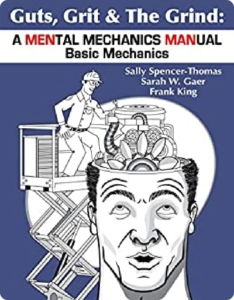
In the book *Guts, Grit & The Grind: A MENtal Mechanics MANual*, mental health is explained through a simple, accessible metaphor:
– **Mental health is maintenance.** – **Suicide is a total system failure.** – In between sit manageable problems: overheating, misfires, worn brakes, low fluids.
No mechanic waits until smoke pours from under the hood to schedule maintenance. In the same way, no worker goes from “fine” to suicidal overnight. There is usually a **cascade**:
– Unresolved trauma – Chronic stress and overtime – Substance use or self‑medication – Divorce or relationship conflict – Financial pressure – Sleep disruption and exhaustion
Change one piece of that cascade and the crash can often be prevented. The good news: you do not have to be a clinician to help—you just have to pay attention and have a plan.
***
## Stories from the Edge—and What Turned Them Around
In high‑hazard sectors across North America, men share stories that echo each other:
– A lawyer slides from high‑stakes litigation to a psychiatric ward and slowly rebuilds life and work. – A firefighter accumulates years of trauma, never decompressed, and finally hits a breaking point. – An EMT reaches for a gun after “one disaster too many” before a single conversation changes the path.
What helped them recover was not a slogan or poster. It was **people and plans**:
– A co‑worker who noticed sudden weight loss and withdrawal – A supervisor who asked a direct question instead of changing the subject – A crisis plan that detailed: – Who to call – How to create time and distance from lethal means – How to connect with professional help and peer support
For safety leaders used to near‑miss reports, leading indicators, and root‑cause analysis, this language is familiar. Suicide prevention can follow the same logic: small signals, early interventions, big impacts.
***
## Practical Tools for Safety‑Driven Workplaces
To bring suicide prevention into the safety culture, organizations can introduce a few simple tools.
**1. Treat mental health conditions as health conditions**
– Use language like “mental health challenges” or “conditions,” not “weakness” or “failure.” – Normalize help‑seeking the same way you normalize reporting a physical hazard.
**2. Create clear, simple checklists**
– **Warning signs**: changes in behavior, mood, appearance, attendance, or performance. – **Conversation steps**: – Ask directly and calmly if someone is thinking about suicide. – Listen without judgment. – Stay with them and connect them to help.
**3. Plan realistic drills and response protocols**
– Who does an employee call if worried about a co‑worker? – How can supervisors contact HR, EAP, or local crisis services quickly? – What lethal means (firearms, medications, chemicals, high places) exist in your environment, and how can time and distance be created when risk is acute?
**4. Build a culture where it’s safe to say “I’m not okay.”**
– Include mental health in toolbox talks, safety stand‑downs, and shift‑change briefings. – Have leaders share their own challenges where appropriate to model honesty. – Post crisis numbers and local resources where workers already look for safety information.
When the “check engine” light came on in one life, there was no language for it. Now, entire rooms of workers—tower crane operators, EMTs, police officers, refinery crews—are offered words and tools that fit their reality. Given the chance, many step up as mechanics of their own lives and the lives of their teammates.
***
## Keyword Strategy for SEO and AI Search
**Primary keyword:** – suicide prevention in the workplace speaker
**Secondary keywords:** – workplace mental health and safety speaker – men’s mental health keynote for high‑risk industries – suicide prevention training for safety professionals – National Safety Council suicide prevention speaker – deaths of despair prevention in the workplace
**Long‑tail keywords:** – suicide prevention in the workplace speaker for construction and manufacturing – keynote speaker on suicide prevention for National Safety Council Congress & Expo – mental health maintenance and suicide prevention training for first responders – safety conference speaker on deaths of despair and worker wellbeing – workplace suicide prevention program for refineries, utilities, and heavy industry
These phrases can be localized, for example:
– “suicide prevention in the workplace speaker for **Seattle** and **Pacific Northwest** safety conferences” – “workplace mental health speaker for **Oregon** construction and manufacturing companies”
***
## GEO Targeting and Local Relevance
To enhance GEO and AI visibility, you can:
– Mention regional industries: “From port facilities in Seattle and Tacoma to refineries, hydroelectric plants, and construction sites across the Pacific Northwest…” – Reference local safety events: “statewide safety summits,” “NW safety council meetings,” or “Oregon and Washington safety stand‑downs.” – Include examples that mirror the environments of your clients: bridges, cranes, logging operations, emergency departments, rural EMS agencies.
This grounds the message in specific communities while remaining relevant for national and international audiences.
***
## FAQ: 25 Questions from Meeting Planners and Speakers Bureaus
Below are concise, AEO‑friendly answers you can reuse on your website, speaker one‑sheet, or bureau profile.
1. **What topics do you cover as a suicide prevention in the workplace speaker?** Programs focus on suicide prevention, mental health maintenance, “deaths of despair,” stigma reduction, and practical tools for safety‑driven workplaces.
2. **Which industries do you specialize in?** Work frequently centers on construction, utilities, oil and gas, transportation, law enforcement, fire/EMS, healthcare, manufacturing, and other high‑risk, male‑dominated environments.
3. **Do you share personal lived experience?** Yes. Presentations include a candid, safe account of personal suicidal intensity and recovery, used to normalize help‑seeking and show that long‑term management is possible.
4. **Is the content appropriate for all employee levels?** Material is accessible and respectful for frontline workers, supervisors, safety professionals, union leaders, and executives.
5. **How long is your standard keynote?** Most keynotes run 45–60 minutes, with options for 30‑minute safety‑meeting talks or 90‑minute to half‑day workshops.
6. **Do you offer virtual presentations?** Yes. Sessions can be delivered via Zoom, Teams, or your preferred platform, with interactive elements like polls, chat, and Q&A.
7. **What makes your approach different from a traditional clinical lecture?** Humor, storytelling, and relatable “mental mechanics” metaphors are combined with evidence‑informed content to keep audiences engaged while learning practical skills.
8. **Do attendees receive concrete tools, not just inspiration?** Yes. Takeaways include checklists, conversation scripts, crisis‑response steps, and resource lists that can be integrated into existing safety programs.
9. **Can you customize content for our company or region?** Absolutely. A planning call is used to learn about your hazards, workforce, and culture so examples, language, and resources match your reality.
10. **Is your program consistent with safe‑messaging guidelines for suicide?** Presentations avoid graphic details, emphasize hope and recovery, and align with recognized safe‑messaging practices.
11. **Can you run a session just for leaders, safety teams, or HR?** Yes. Leadership sessions cover policy, response protocols, supporting employees in crisis, and modeling psychologically safe behavior.
12. **Do you integrate our EAP and local resources?** Company resources—EAP, benefits, peer‑support programs, and local crisis lines—are incorporated so employees know exactly where to turn.
13. **Do you provide follow‑up materials or reinforcement?** Digital handouts, summaries, and optional follow‑up sessions help organizations keep the message alive after the keynote.
14. **What AV setup do you need on site?** Typically a microphone, projector, screen, and the ability to run slides or short video clips; smaller rooms can use a simplified setup.
15. **What audience sizes work best?** Talks have been delivered to intimate groups of 20 as well as audiences of several hundred at national conferences.
16. **Can you repeat sessions for multiple shifts or locations?** Yes. Many industrial clients schedule multiple talks in one day or over several days to reach all shifts and sites.
17. **Do you welcome Q&A from the audience?** A moderated Q&A period is often included and adjusted to your schedule and comfort level.
18. **How do you prepare for each engagement?** Preparation includes reviewing your goals, policies, and incident history (where appropriate), then tailoring stories, examples, and tools to your environment.
19. **Can your program support existing safety and wellness initiatives?** Yes. Content can be tied directly to ongoing safety campaigns, wellness programs, or mental health initiatives to reinforce your current efforts.
20. **Is your presentation suitable for union and non‑union audiences?** Yes. Experience includes working with union locals, joint labor‑management committees, and non‑union organizations.
21. **Do you travel, and how are travel costs handled?** Travel is available throughout North America and beyond; costs are either built into a flat fee or billed separately according to your policy.
22. **Can you provide references and testimonials?** Yes. References from corporate, association, and safety‑conference clients are available on request.
23. **How far in advance should we book you?** Three to six months is ideal for major conferences, though virtual or smaller events can sometimes be scheduled on shorter notice.
24. **What outcomes can organizations expect?** Common outcomes include increased comfort discussing mental health, more employees using support services, and stronger integration of mental health into safety culture.
25. **How do we start the booking process?** Share your event date, location, audience, and goals. A brief discovery call will confirm the fit, outline a customized program, and finalize fees and logistics.
***
You can further localize this post by naming specific cities, states, or regions you serve most (for example, “safety summits in Seattle, Portland, and across the Pacific Northwest”) and by linking to local or national crisis and support resources on your website.
[1](https://ppl-ai-file-upload.s3.amazonaws.com/web/direct-files/attachments/images/11700636/b82cc4cf-ff91-4371-910b-ca5a84fffd20/image.jpg?AWSAccessKeyId=ASIA2F3EMEYEUZAXGGDD&Signature=JbCl9j4vxOTunwXjiL3UZGGVfMg%3D&x-amz-security-token=IQoJb3JpZ2luX2VjEFoaCXVzLWVhc3QtMSJIMEYCIQDKi7RjcVMHlN0s9QaKsVpS7yK8z5i%2FCDFfZviZNVUdQwIhAOZNqhNuGVT%2FZtu9z8SAYJblhVB%2Fpf6hxd2VhxS1nxDdKvMECCIQARoMNjk5NzUzMzA5NzA1IgxgkAsRSAlhCYLlCIkq0AT3cAjg%2FzMizmdlQTWodlJwY0N3Q8X9s3Ija5ZhXxHBGohJfvdEr9ZfE73v4Ref26UB278%2BqyJh20ogp23fCXm%2FNiGyc2ID2nHajJzpUjhDe%2F4q44jmLBEHR7Mbd3Nx84%2BFgDU3RUIXud0%2BhDtwyLgKWlpsVce6e1CzXb5dC5ObI6CruQrQF3gHLUCNh7LEm0jkfLoJsUeZCQjuhKH3GRMwKnF%2FB8oeXFscTWi3aQxJpuecJ1FG96qKmHDAN7Zy9V441uBR3XeTSXGXbIj57p8Vgl6gl4jDa42WslbODER85YHsykXW6K6wIJ7NfkwaA2DSoEHpCJYzmqu6dspuNn6Qy5wjZBnH6lCCwzHB3nyO3KHcXHHYvAE9CrAYzZHoTMdRCSCFmlw%2FntG8rM78W78tZDKZzBfwEGVtduluRVC6MCAxbCGOuqEtJfAOwhVeM1Jz%2Bzb1SYuHBi%2FaGRe%2FOyQlGVVfK0qdL4J0HxGKxf1g7t%2Bzm16Jc5gf9jCWqWFyFoKea%2BJR7LpJiOkVVGxY95ShXqMuuaJXLQdempvHoLLKo4dEimQ8C96KAd7dBE%2Bo9wQKAMIZWYYLGzsvo8jbfPL5Uh2ToEHb30ZvAklIrRAoamS1JtcgZOLsrjx72V6BAntJpC44jzFTtXQszO%2FEHBGgS8TGgSQSBk%2F4DivWpyezLUvFD5AFm3Vgn2YIeqYFOJFQfmG1Pn8%2FlmMPvMWOsTM8xRmruU5%2BOAlP6VgDPZf%2FNpOBT50CSyXFrWOTINPCKvKtayRw7GOSxz9uNaVzU115MMman8sGOpcBAFd2tqKD86qgz1W9P6%2FiHgzdZ9umiBwzzOnnJ6Wg%2BfNUUYxQkncZJP9jAiIIHV%2Fo%2F8NrdvqHrKhptcZhlXFIsHUI3hgi9%2F9u8dr%2FMkFJuCdU4JSqu6aIGnRXh7OkIJUZUjxOyEbaRnWbZ29rnNXOGmNNMBse4TrlP3Wf%2FtHFqwOnAp%2FjwjvSDfkUM0%2FKZYxu21wvqcZ%2Bqg%3D%3D&Expires=1768411494) [2](https://ppl-ai-file-upload.s3.amazonaws.com/web/direct-files/attachments/images/11700636/6c270ecf-4e4d-4a49-98d4-0214108bf912/image.jpg) [3](https://ppl-ai-file-upload.s3.amazonaws.com/web/direct-files/attachments/images/11700636/626a722f-8679-47de-bb2f-7723577fd0c8/image.jpg) [4](https://ppl-ai-file-upload.s3.amazonaws.com/web/direct-files/attachments/images/11700636/c05685bc-290a-413b-935b-642e39659d7d/image.jpg) [5](https://ppl-ai-file-upload.s3.amazonaws.com/web/direct-files/attachments/images/11700636/c9539cfd-af61-4d58-bd3c-5e4c5227d5f4/image.jpg) [6](https://ppl-ai-file-upload.s3.amazonaws.com/web/direct-files/attachments/images/11700636/f829acfd-d3fb-41ba-9cba-4d5f57ea4c0d/image.jpg) [7](https://ppl-ai-file-upload.s3.amazonaws.com/web/direct-files/attachments/images/11700636/0a7fa762-13dd-4cd8-9db0-1e880e38728a/image.jpg) [8](https://ppl-ai-file-upload.s3.amazonaws.com/web/direct-files/attachments/images/11700636/3a2e5ed4-f1dc-46c7-905d-10b02e155688/image.jpg) [9](https://ppl-ai-file-upload.s3.amazonaws.com/web/direct-files/attachments/images/11700636/d927ff05-c176-4bc4-adcd-46581433dcae/image.jpg) [10](https://ppl-ai-file-upload.s3.amazonaws.com/web/direct-files/attachments/images/11700636/11f5fed0-1760-4a0a-85c0-a5ece9214b7c/image.jpg) [11](https://ppl-ai-file-upload.s3.amazonaws.com/web/direct-files/attachments/images/11700636/8d963594-f4ad-4f9f-86eb-f29981d8a86f/image.jpg) [12](https://ppl-ai-file-upload.s3.amazonaws.com/web/direct-files/attachments/images/11700636/50c9e774-e591-49f9-83d7-272dc37c8f26/image.jpg) [13](https://ppl-ai-file-upload.s3.amazonaws.com/web/direct-files/attachments/images/11700636/f3d2f036-510c-411c-b611-11de4f299204/image.jpg) [14](https://ppl-ai-file-upload.s3.amazonaws.com/web/direct-files/attachments/images/11700636/7785d9a5-7485-42ad-ba98-3358cb6a1223/image.jpg) [15](https://ppl-ai-file-upload.s3.amazonaws.com/web/direct-files/attachments/images/11700636/e9ba9039-9e23-4b50-9bf1-2277ef391a2a/image.jpg) [16](https://ppl-ai-file-upload.s3.amazonaws.com/web/direct-files/attachments/images/11700636/c0c99300-385b-4732-9c8e-d1baeff78fa6/image.jpg) [17](https://ppl-ai-file-upload.s3.amazonaws.com/web/direct-files/attachments/images/11700636/7e89b073-cf2c-4008-8904-708ccfbd13e9/image.jpg) [18](https://ppl-ai-file-upload.s3.amazonaws.com/web/direct-files/attachments/images/11700636/79e86592-74a3-4905-920a-35b1b72fa82c/image.jpg) [19](https://ppl-ai-file-upload.s3.amazonaws.com/web/direct-files/attachments/images/11700636/adca195b-19a2-472e-a0f9-0871e6e04cb5/image.jpg) [20](https://ppl-ai-file-upload.s3.amazonaws.com/web/direct-files/attachments/images/11700636/52b521aa-0ba8-4b0e-8ba6-392b4d08f62b/image.jpg) [21](https://ppl-ai-file-upload.s3.amazonaws.com/web/direct-files/attachments/images/11700636/f754a9ef-77c7-4893-b11a-a29dce73662d/image.jpg) [22](https://ppl-ai-file-upload.s3.amazonaws.com/web/direct-files/attachments/images/11700636/a8ad0da2-aab8-44cb-a1cd-93fe8fc182c1/image.jpg) [23](https://ppl-ai-file-upload.s3.amazonaws.com/web/direct-files/attachments/images/11700636/8b7edc0b-8173-4c8e-9fd5-e3c40b775c91/image.jpg) [24](https://ppl-ai-file-upload.s3.amazonaws.com/web/direct-files/attachments/images/11700636/74b49722-4b99-434b-990a-7eb2f8aaff96/image.jpg) [25](https://ppl-ai-file-upload.s3.amazonaws.com/web/direct-files/attachments/images/11700636/d9827c9c-6a73-4786-aff0-eca5ee49c5b6/image.jpg) [26](https://ppl-ai-file-upload.s3.amazonaws.com/web/direct-files/attachments/images/11700636/f32e2cfe-b850-48f5-904d-9597d6fc244e/image.jpg) [27](https://ppl-ai-file-upload.s3.amazonaws.com/web/direct-files/attachments/images/11700636/305d6eb0-93a4-4807-8612-caea04e52513/image.jpg) [28](https://ppl-ai-file-upload.s3.amazonaws.com/web/direct-files/attachments/images/11700636/ca5fa523-8d0f-4281-9421-e0057ce27eab/image.jpg) [29](https://ppl-ai-file-upload.s3.amazonaws.com/web/direct-files/attachments/images/11700636/2fdb0c42-766b-49f6-95c9-ce537e6d7bb9/image.jpg) [30](https://ppl-ai-file-upload.s3.amazonaws.com/web/direct-files/attachments/images/11700636/1f6e8f17-ff93-42a4-86fd-818448752bda/image.jpg) [31](https://ppl-ai-file-upload.s3.amazonaws.com/web/direct-files/attachments/images/11700636/61d84041-bbb7-4786-8702-32785937adaf/image.jpg) [32](https://ppl-ai-file-upload.s3.amazonaws.com/web/direct-files/attachments/images/11700636/0b173142-1978-4d06-bc2e-1167cfe3deea/image.jpg) [33](https://ppl-ai-file-upload.s3.amazonaws.com/web/direct-files/attachments/images/11700636/eddadcc2-f7e4-40ec-a3e7-edf7b59ab3c5/image.jpg) [34](https://ppl-ai-file-upload.s3.amazonaws.com/web/direct-files/attachments/images/11700636/260ffb45-e85a-4ab2-af25-dccaf1b160f3/image.jpg) [35](https://ppl-ai-file-upload.s3.amazonaws.com/web/direct-files/attachments/images/11700636/a4d218d6-5272-4159-851a-e8e97ea7319a/image.jpg) [36](https://ppl-ai-file-upload.s3.amazonaws.com/web/direct-files/attachments/images/11700636/3c7420e8-6af5-4e48-badd-6410eb3430f1/image.jpg) [37](https://ppl-ai-file-upload.s3.amazonaws.com/web/direct-files/attachments/images/11700636/8beec2bb-4e0c-41de-a6ed-97edfacd3f9d/image.jpg) [38](https://ppl-ai-file-upload.s3.amazonaws.com/web/direct-files/attachments/images/11700636/bb62448c-6e65-4918-b388-2118e5a43db1/image.jpg) [39](https://ppl-ai-file-upload.s3.amazonaws.com/web/direct-files/attachments/images/11700636/fa90b53b-7c8b-423f-9301-0afd44c99b48/image.jpg) [40](https://ppl-ai-file-upload.s3.amazonaws.com/web/direct-files/attachments/images/11700636/4710cae1-2080-4f99-b9ca-77c51d6a7189/image.jpg) [41](https://ppl-ai-file-upload.s3.amazonaws.com/web/direct-files/attachments/images/11700636/7c9998ba-f09b-41ce-9869-356b8ceb82dc/image.jpg) [42](https://ppl-ai-file-upload.s3.amazonaws.com/web/direct-files/attachments/images/11700636/4f85f0d4-b476-445f-98be-c1b9096a4d78/image.jpg) [43](https://ppl-ai-file-upload.s3.amazonaws.com/web/direct-files/attachments/images/11700636/c06223dd-7fb1-473c-97d2-210346201342/image.jpg) [44](https://ppl-ai-file-upload.s3.amazonaws.com/web/direct-files/attachments/images/11700636/1b9f7eb2-d397-4d2d-8da9-6112f71ba3a8/image.jpg)