
The Silence Hiding in Healthcare A lifetime of stand‑up comedy mixed with lifelong depression and chronic suicidal ideation.
One big lesson: silence around suicide is lethal, especially in healthcare.
Where that silence lives:
In the breakroom, when everyone jokes instead of debriefs.
In the hallway, after a bad code or tough diagnosis.
In the parking lot, when someone cries alone in their car.
The Cost of “Be Strong for the Patient” Physicians and staff are programmed to:
Push through pain.
Stay “professional” at all costs.
Put patients first and themselves last.
When the healer is hurting, common outcomes include:
Burnout.
Depression and anxiety.
Substance misuse.
Increased suicide risk compared with many other professions.
Shame and fear keep people quiet:
Fear of losing a license or credential.
Fear of being seen as weak or unreliable.
Fear of adding to a team that is already stretched thin.
Why Conversation Is the First Intervention The first step is not always:
A prescription.
A referral.
A diagnostic code.
The first step is often a conversation:
“I’m not okay.”
“This is getting to me.”
“I need help.”
Barriers that shut conversations down:
Overloaded schedules and back‑to‑back appointments.
Cultures that reward stoicism and punish vulnerability.
Leaders who never model asking for help.
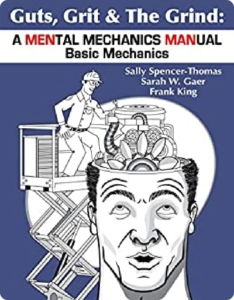
Becoming Your Own “Mental Mechanic” Just like you would not ignore:
A flashing check‑engine light.
A strange noise under the hood.
You cannot ignore early warning signs of mental strain:
Emotional exhaustion.
Cynicism or detachment from patients.
Mistakes that come from sheer fatigue.
The “mental mechanic” mindset:
Knows when to pull over and pop the hood.
Asks for help before the engine seizes.
Treats tune‑ups (therapy, peer support, rest) as maintenance, not failure.
Small Actions That Change Culture Practical tools healthcare systems can put in place:
Crisis‑response plans that include staff support, not just patient safety.
Peer‑support programs and debrief teams trained to listen and refer.
Self‑check prompts built into huddles or supervision.
Everyday culture shifts:
Leaders sharing their own experiences with stress and seeking help.
Normalizing check‑ins: “How are you?” followed by “No, really.”
Making mental‑health resources as visible as infection‑control posters.
Healing Is a Team Sport No one gets through this work alone.
Real strength looks like:
Reaching out before a crisis.
Backing up a colleague who is overwhelmed.
Sharing resources, not just workloads.
When one person starts the conversation:
Others realize they are not alone.
Stigma cracks.
Lives can literally be saved.
25 Meeting‑Planner FAQs (With Sample Answers In Your Voice) 1. What is the main focus of your suicide‑prevention and workplace‑mental‑health keynote?
The keynote shows organizations how to spot warning signs, start life‑saving conversations, and build cultures where talking about mental health is as normal as talking about safety or quality.
2. Who is the ideal audience for this program?
Healthcare leaders, clinicians, frontline staff, HR, and anyone responsible for people, plus other high‑stress sectors like construction, education, public safety, and corporate workplaces.
3. How long is your standard keynote?
Most clients choose 45–60 minutes; there are options for a tighter 30‑minute plenary or an extended 75–90‑minute session with more interaction and Q&A.
4. Do you also offer workshops or breakout sessions?
Yes; workshops can dive deeper into peer support, postvention after a suicide, leadership communication, or sector‑specific stress and burnout.
5. What are the key takeaways attendees leave with?
They leave with clear warning signs, sample scripts for hard conversations, a simple framework for responding after a crisis, and concrete next steps to strengthen their culture.
6. How do you handle such a serious topic without overwhelming people?
Humor, story, and honesty are woven throughout the program so people feel seen, hopeful, and equipped—not scared or shamed—while still respecting the gravity of suicide.
7. Is your content aligned with current best practices in suicide prevention?
Yes; it reflects recognized approaches like early recognition, safe messaging, peer support, crisis‑response planning, and connecting people to professional help when needed.
8. Can you tailor the keynote to our specific organization or specialty?
Absolutely; examples, language, and stories are customized after a planning call so the message lands with your clinicians, leaders, or corporate teams.
9. Do you speak directly about your own lived experience?
Yes; a lifetime with depression and chronic suicidal ideation is shared candidly but safely, using humor and hope to show that speaking up can be life‑saving.
10. What makes your approach different from a typical mental‑health lecture?
It blends professional comedy, real‑world tools, and lived experience; audiences get to laugh, exhale, and still walk away with specific actions they can take the next day.
11. How do you prepare our leadership team before the event?
A brief discovery call clarifies goals, culture, and recent challenges; leaders receive suggested remarks and guidance on how to support staff before and after the session.
12. What do you need from us in terms of AV and room setup?
A screen and projector, a handheld or lavalier mic, house sound, and seating that allows good sightlines; a quick tech check beforehand keeps things smooth.
13. Can this program be delivered virtually or in a hybrid format?
Yes; the session works well on major platforms, using chat, polls, and Q&A to keep remote attendees engaged and give them private ways to ask sensitive questions.
14. Do you provide handouts or follow‑up resources?
Yes; organizations receive concise digital resources such as warning‑sign lists, conversation starters, postvention tips, and national and local support contacts.
15. Is the presentation appropriate if our organization has recently experienced a suicide?
Yes, with care; content can be adapted in consultation with your leaders and mental‑health professionals to support healing, reduce risk, and avoid re‑traumatizing staff.
16. How do you handle audience members who may be triggered or distressed?
Participants are given content guidance, reminded of available supports, and encouraged to step out if needed; anyone struggling is pointed toward EAP, HR, or crisis resources rather than asked to process publicly.
17. Do you address burnout and compassion fatigue as well as suicide?
Very much so; burnout and moral injury are presented as early warning lights on the dashboard, and attendees learn practical ways to respond for themselves and their teams.
18. Can we integrate our EAP and local resources into your slides?
Definitely; your EAP, peer‑support contacts, and local or national hotlines can be built into the program so people leave knowing exactly where to go for help.
19. How interactive is your keynote?
Interaction can range from simple show‑of‑hands questions to quick pair‑and‑share exercises, live polls, or moderated Q&A, depending on time and audience comfort.
20. Can this session count toward our required training hours?
Many clients use it toward safety, wellness, CME/CE, or leadership‑development requirements; objectives can be aligned with your accrediting body’s standards.
21. What does success look like after the event?
Increased comfort talking about mental health, stronger participation in support programs, more leaders modeling vulnerability, and clearer pathways when someone is in distress.
22. How far in advance should we book you?
Conferences often book 3–9 months out; internal events and virtual programs typically have more flexibility, depending on the calendar.
23. What information should we share with you ahead of time?
Audience makeup, recent stressors or incidents (at a high level), current wellness or safety initiatives, and any language or topics that require special sensitivity.
24. What is your fee structure and what does it include?
A flat speaking fee is based on format (in‑person or virtual), length, and add‑ons like workshops; it typically includes prep calls, customization, and follow‑up resources.
25. What is the next step if we want to move forward?
Schedule a short discovery call, confirm goals and dates, receive a customized proposal and agreement, then lock in the date so you can start promoting the program.