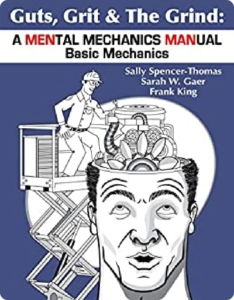

On most construction sites, safety is easy to spot—hard hats, harnesses, high‑vis vests, and daily briefings. What’s harder to see is the silent hazard working behind the scenes: chronic stress, depression, substance misuse, and suicide risk among construction professionals. Treating mental health like “someone else’s problem” is no longer an option; it’s a core safety issue and a leadership responsibility.
The Hidden Mental Health Risk on Jobsites Construction workers experience some of the highest suicide rates of any major occupational group, outpacing many traditional job‑site dangers.
Contributing pressures often include:
Long or irregular hours and frequent overtime.
Job insecurity tied to contracts, seasons, and economic cycles.
Physical pain, injury, or chronic health issues.
Exposure to traumatic events and near misses.
A longstanding “tough it out” culture makes it harder for workers to admit when they’re struggling.
Many workers report fearing judgment, job loss, or being seen as “weak” if they talk openly about mental health.
The Culture of Grit—and Its Cost Construction culture often celebrates:
Grit, stoicism, and pushing through pain.
Showing up no matter how exhausted or distressed you feel.
Joking away discomfort instead of naming it.
These traits can be assets in tough environments—but they become liabilities when:
People hide serious distress behind “I’m fine.”
Risky behavior and substance use are shrugged off as normal.
Warning signs of burnout, depression, or suicidal thinking go unnoticed or ignored.
Why Silence Is the Most Dangerous Tradition When mental health is taboo:
Workers are less likely to ask for help early.
Colleagues hesitate to check in, even when they notice something is wrong.
Leaders are unsure how to respond, so they say nothing.
Silence allows problems to escalate from stress to crisis.
Breaking that silence—through open conversation, training, and visible leadership support—is often the first life‑saving step.
Making Tough Conversations Easier One of the most effective ways to open the door is to make the topic approachable:
Use plain language instead of clinical jargon.
Normalize common experiences: stress, financial pressure, relationship strain, sleep problems.
Incorporate appropriate humor to lower defenses and keep crews engaged.
Share real‑world stories that sound like the lives of the people in the room—not abstract case studies.
When workers see that others have struggled and still stayed on the job, sought help, or rebuilt their lives, it reframes help‑seeking as strength, not failure.
Practical “Mental Mechanics” for the Field Treat mental health like equipment maintenance: don’t wait for a catastrophic failure.
Early warning signs crews can watch for:
Sudden changes in behavior or mood.
Increased conflict, anger, or withdrawal.
Riskier decisions on the job or more near misses.
Escalating alcohol or drug use.
Talking about feeling hopeless, trapped, or like a burden.
Simple tools supervisors and coworkers can use:
Direct but caring questions: “You don’t seem like yourself—how are you doing, really?”
Private, judgment‑free conversations rather than calling someone out in front of the crew.
Knowing what resources the company offers (EAP, benefits, hotlines, local counselors).
Encouraging time off or modified duties when someone is clearly overwhelmed.
Think of it as preventive maintenance for your team: you check in before something breaks down, not after.
Integrating Mental Health into Safety Programs Forward‑thinking companies are treating mental health as part of safety, not a separate HR issue. That can look like:
Including stress, substance misuse, and suicide warning signs in safety talks and toolbox meetings.
Adding mental health topics to orientation and ongoing training.
Posting crisis numbers and support resources where workers actually see them (trailers, break areas, locker rooms).
Building peer‑support roles or “well‑being champions” into crews.
Training foremen and supervisors in basic mental health first aid and conversation skills.
The payoff goes beyond fewer crises: organizations often see stronger team cohesion, better communication, improved retention, and a more engaged workforce.
Leadership: The Key to Culture Change Real change starts when leaders:
Speak openly about stress, pressure, and the importance of mental health.
Make it clear that no one will be punished or shamed for asking for help.
Back up their words with actions—reasonable schedules, adequate staffing, and realistic timelines.
Attend the same trainings their crews do, sending the message that this matters at every level.
Workers notice when leadership genuinely “walks the talk.” A culture where people look out for each other on ladders and scaffolds should also be one where they look out for each other’s emotional well‑being.
25 FAQs from Meeting Planners Booking a Suicide-Prevention & Workplace Mental Health Speaker 1. What types of organizations is this construction mental health program best suited for?
Construction companies, specialty trades, unions, safety councils, industry associations, large owners, and any workplace with high physical risk and high stress.
2. Is the keynote only for field workers, or is it relevant to office staff too?
It’s designed for mixed audiences—field crews, foremen, project managers, safety pros, HR, and executives all see themselves in the content.
3. What are the main objectives of the keynote?
Raise awareness about mental health and suicide risk in construction, reduce stigma, teach simple “notice–ask–connect” steps, and position mental health as part of safety, not separate from it.
4. How long is a typical session?
Standard keynote: 45–60 minutes.
Can be shortened to 20–30 minutes or expanded to 75–90 minutes depending on your agenda.
5. Do you offer breakouts or workshops in addition to the keynote?
Yes—small‑group sessions for supervisors, safety leaders, or mixed crews that go deeper into warning signs, conversations, and follow‑through.
6. Is the content evidence‑informed, or just motivational?
It blends current research on workplace mental health and suicide prevention with real stories and practical tools, so attendees leave with both insight and clear actions.
7. Do you speak directly about suicide, or keep it at “stress and burnout”?
Suicide is addressed directly but safely—no graphic details, strong focus on warning signs, hope, and how to get help.
8. How do you keep such a serious topic from feeling too heavy for the audience?
By combining respectful humor, relatable stories, and clear next steps. People typically walk out feeling lighter and more empowered, not weighed down.
9. Will the presentation resonate with a “tough,” blue‑collar crowd?
Yes—the language, stories, and tone are created specifically for high‑risk, high‑grit professions where people don’t usually “do feelings talks.”
10. Can you customize content for our company or region?
Absolutely. Examples, terminology, and references can be tailored to your trades, project types, region, and current initiatives.
11. What specific skills will attendees walk away with?
How to spot common red flags, how to ask a coworker if they’re okay, what to say (and what not to say), and where to connect people for help.
12. Do you provide tools or handouts we can use after the event?
Yes—simple one‑page tools (signs, phrases, resource ideas) and optional digital follow‑ups you can post or integrate into toolbox talks.
13. How do you involve leadership in the message?
Options include a separate leadership briefing, references to leadership behaviors during the keynote, and suggestions for policy and culture follow‑through.
14. Can this keynote fit into our existing safety or wellness program?
Yes—mental health fits neatly into safety culture, wellness, HR, DEI, and risk‑management frameworks and can be branded as part of those efforts.
15. What AV is needed for an in‑person event?
Projector and screen, handheld or lavalier microphone, and standard audio if showing short video clips.
16. Do you offer virtual or hybrid versions for distributed crews?
Yes—sessions can be delivered via the major platforms and adjusted for remote engagement, including chat‑based interaction and Q&A.
17. How do you handle emotional reactions or disclosures during the talk?
The tone is calm and grounded. Participants are reminded of resources, invited to step out if needed, and encouraged to reach out privately afterward if they need support.
18. Can our own resources (EAP, hotlines, peer programs) be woven into the talk?
Definitely. Your EAP, benefits, and local supports can be featured so people leave knowing exactly where to go.
19. Is the program appropriate outside of construction—for other workplaces?
Yes. The core content adapts well to manufacturing, transportation, utilities, healthcare, and other high‑stress sectors; only the examples and language change.
20. How do you address managers’ fear of “saying the wrong thing”?
By giving them a simple framework and sample phrases, and emphasizing that asking with care is far better than avoiding the topic entirely.
21. What follow‑up options are available after the event?
Virtual Q&A, refresher talks, manager‑only sessions, or help integrating mental‑health moments into ongoing safety meetings and training.
22. How do we know this won’t backfire or increase risk?
Responsible programs follow safe‑messaging standards; talking about suicide in this way does not “plant the idea,” but instead increases awareness and help‑seeking.