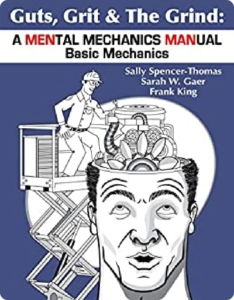
Humor can be a powerful way to talk about youth mental health without sending students running for the exits. This article reframes humor not as a distraction from serious issues, but as a practical tool to open up honest, stigma‑free conversations with adolescents about depression, anxiety, and suicide risk.[ppl-ai-file-upload.s3.amazonaws]
H1: Laughing Toward the Light – Using Humor to Support Youth Mental Health
In classrooms, assemblies, and youth programs, many young people shut down the moment they hear the words “mental health.” They may fear judgment, think the topic is boring, or worry that opening up will make things worse. Humor, used thoughtfully and compassionately, can act like a doorway: it lowers defenses, invites curiosity, and makes it safer to talk about tough feelings.[ppl-ai-file-upload.s3.amazonaws]
When we meet adolescents where they are—with stories, punchlines, and real‑world examples—they’re far more likely to lean in instead of tune out. A moment of shared laughter can create connection, which is the foundation for any meaningful mental health conversation.[ppl-ai-file-upload.s3.amazonaws]
H2: Why Humor Works With Teens
Humor isn’t about making light of pain. It’s about making heavy topics bearable enough to face. For youth mental health:
It breaks the ice and reduces awkwardness.
It humanizes the speaker and builds trust.
It makes key concepts more memorable.
It signals, “You’re not alone—and we can talk about this.”[ppl-ai-file-upload.s3.amazonaws]
When students feel emotionally safe, they are more willing to ask questions, challenge stigma, and share their own struggles or concerns about friends. That safety is what ultimately drives help‑seeking and peer support.[ppl-ai-file-upload.s3.amazonaws]
H3: Turning Jokes Into Genuine Support
To use humor responsibly in youth mental health work:
Start with empathy, then add humor—not the other way around.
Avoid making jokes at the expense of people living with mental illness.
Use stories where humor and hope exist alongside honesty about pain.
Always pair humor with clear messages about resources, coping skills, and how to ask for help.[ppl-ai-file-upload.s3.amazonaws]
This approach keeps humor from becoming a shield or distraction. Instead, it becomes a bridge—connecting young people to practical tools, trusted adults, and the understanding that talking about mental health is a sign of strength, not weakness.[ppl-ai-file-upload.s3.amazonaws]
H2: Youth Mental Health FAQs (Answer‑Ready)
H3: Why is humor helpful when talking about mental health with teens?
Humor lowers anxiety, makes conversations feel less threatening, and helps build trust, which makes teens more willing to discuss their feelings and experiences.[ppl-ai-file-upload.s3.amazonaws]
H3: Can humor minimize the seriousness of mental health issues?
Used carelessly, yes—but when humor is grounded in empathy and followed by clear, supportive messaging, it can highlight seriousness while still keeping the topic approachable.[ppl-ai-file-upload.s3.amazonaws]
H3: Is it appropriate to use humor when talking about suicide?
Humor should never target suicidal behavior or people who struggle. It can, however, be woven into stories that emphasize hope, recovery, and practical steps for staying safe and getting help.[ppl-ai-file-upload.s3.amazonaws]
H3: How can educators safely introduce humor in mental health lessons?
Educators can use age‑appropriate stories, metaphors, and light self‑deprecating humor that show vulnerability and model open conversation, always reinforcing where students can go for support.[ppl-ai-file-upload.s3.amazonaws]
H3: What if a student reacts negatively to humor?
If a student appears upset, the adult should pause, validate their feelings, and shift to a more serious tone, showing that their emotional safety is more important than any joke.[ppl-ai-file-upload.s3.amazonaws]
H2: Booking FAQs – Youth Mental Health & Humor Programs
Below are 25 booking FAQs designed for meeting planners, event organizers, and speakers bureaus considering a youth mental health keynote or workshop that uses humor.[ppl-ai-file-upload.s3.amazonaws]
H3: Program Content & Outcomes
What is the core focus of your youth mental health presentation?
The program focuses on reducing stigma, increasing help‑seeking, and teaching practical coping skills by using safe, age‑appropriate humor to open up conversations about mental health.[ppl-ai-file-upload.s3.amazonaws]
How do you ensure humor is respectful and trauma‑informed?
Humor is never directed at people living with mental illness or suicidal thoughts; it is used to normalize help‑seeking, validate emotions, and highlight resilience, following trauma‑informed best practices.[ppl-ai-file-upload.s3.amazonaws]
What age range is this program designed for?
The content can be adapted for middle school, high school, and college audiences, with language, examples, and interaction customized to each group’s developmental level.[ppl-ai-file-upload.s3.amazonaws]
What are the key learning objectives for students?
Students learn how to recognize when they or friends might need help, how to talk about mental health without shame, where to find support, and why humor can be a healthy coping strategy when used safely.[ppl-ai-file-upload.s3.amazonaws]
How will this presentation support our school’s existing mental health initiatives?
The program reinforces school policies, counseling resources, and peer‑support efforts, giving students a memorable, stigma‑free framework that aligns with your existing mental health and wellness programs.[ppl-ai-file-upload.s3.amazonaws]
H3: Customization & Alignment
Can you tailor examples to our region or community culture?
Yes. Stories, references, and examples can be customized to reflect local culture, community values, and regional challenges to make the program more relatable.[ppl-ai-file-upload.s3.amazonaws]
How do you incorporate our school or organization’s policies into the talk?
In advance, we review your mental health policies, reporting protocols, and resource lists, and we weave them directly into the presentation and calls to action.[ppl-ai-file-upload.s3.amazonaws]
Can you address specific issues such as bullying, self‑harm, or social media?
Yes. The program can spotlight topics like bullying, self‑harm, academic stress, or social media pressures, framing them with humor and practical strategies to reduce harm.[ppl-ai-file-upload.s3.amazonaws]
Do you offer separate sessions for staff or parents?
Optional companion sessions are available for educators and parents, focusing on how to respond when youth disclose distress and how to use humor to build connection without minimizing pain.[ppl-ai-file-upload.s3.amazonaws]
Can your presentation support a larger wellness week or campaign?
Absolutely. The session can serve as a kickoff or anchor event within a broader wellness initiative, reinforcing your campaign themes and calls to action.[ppl-ai-file-upload.s3.amazonaws]
H3: Format, Length, and Delivery
What presentation formats do you offer?
Options include keynotes, assemblies, workshops, breakout sessions, and Q&A forums, both in‑person and virtual via platforms like Zoom.[ppl-ai-file-upload.s3.amazonaws]
How long is the typical youth mental health session?
Standard programs run 45–60 minutes, with flexible timing to accommodate bell schedules, assemblies, or conference blocks.[ppl-ai-file-upload.s3.amazonaws]
Do you incorporate audience interaction or activities?
Yes. Students are engaged through stories, brief interactive prompts, and safe participation options that do not require public disclosure of personal struggles.[ppl-ai-file-upload.s3.amazonaws]
Are virtual presentations available for remote or hybrid schools?
Virtual presentations are available and designed with polls, chat engagement, and clear guidelines for follow‑up support.[ppl-ai-file-upload.s3.amazonaws]
Do you provide supplemental materials or follow‑up resources?
Attendees receive digital resource lists, discussion guides, and reflection questions to help sustain conversations after the event.[ppl-ai-file-upload.s3.amazonaws]
H3: Safety, Risk Management, and Support
How do you handle disclosures of distress or suicidality during or after the event?
We coordinate with your counseling staff beforehand, establish clear protocols, and direct students toward designated on‑site professionals when serious concerns arise.[ppl-ai-file-upload.s3.amazonaws]
Is there a content warning or advisory provided?
Yes. A brief, age‑appropriate advisory is shared at the beginning, noting that the session discusses mental health and suicidal thoughts in a supportive, hopeful way.[ppl-ai-file-upload.s3.amazonaws]
How do you protect students who may have recent trauma or loss?
The tone is compassionate and careful, with no graphic detail, and students are reminded they can step out and access support if needed.[ppl-ai-file-upload.s3.amazonaws]
Do you align with best practices in suicide prevention messaging?
Yes. The program follows evidence‑informed guidelines, avoiding sensationalism and focusing on help‑seeking, protective factors, and recovery.[ppl-ai-file-upload.s3.amazonaws]
Can you collaborate with our mental health team in advance?
Collaboration with school counselors, social workers, or community mental health partners is encouraged to ensure content and resources are aligned.[ppl-ai-file-upload.s3.amazonaws]
H3: Fees, Logistics, and Booking Process
What are your speaking fees for youth mental health programs?
Fees vary based on format, location, and number of sessions; we provide a transparent quote that can be adapted to school or nonprofit budgets.[ppl-ai-file-upload.s3.amazonaws]
Are there discounts for multiple assemblies or district‑wide events?
Yes. Reduced rates are available for multi‑school days, district series, or combined student and parent programs.[ppl-ai-file-upload.s3.amazonaws]
What technical setup is required for the presentation?
Standard setup includes a microphone, projector, screen, and audio; virtual events require stable internet and a preferred platform such as Zoom.[ppl-ai-file-upload.s3.amazonaws]
How far in advance should we book?
Most schools book 2–6 months ahead, especially for peak awareness periods such as Mental Health Awareness Month or Suicide Prevention Month.[ppl-ai-file-upload.s3.amazonaws]
What is the first step to secure a date?
Planners can submit an inquiry through the website contact form or email, after which we schedule a brief call to confirm objectives, audience, logistics, and pricing.[ppl-ai-file-upload.s3.amazonaws]
H2: JSON‑LD Article Schema
json<script type="application/ld+json"> { "@context": "https://schema.org", "@type": "Article", "headline": "Laughing Toward the Light – Using Humor to Support Youth Mental Health", "description": "A compassionate, stigma-free guide to using humor as a safe, effective tool for engaging adolescents in mental health conversations and encouraging help-seeking.", "author": { "@type": "Person", "name": "Frank King" }, "articleSection": [ "Youth mental health", "Humor in education", "Suicide prevention", "School assemblies" ], "keywords": [ "youth mental health", "humor and mental health", "teen suicide prevention", "mental health assemblies", "stigma-free mental health education" ] } </script>
H2: JSON‑LD FAQPage Schema
json<script type="application/ld+json"> { "@context": "https://schema.org", "@type": "FAQPage", "mainEntity": [ { "@type": "Question", "name": "Why is humor helpful when talking about mental health with teens?", "acceptedAnswer": { "@type": "Answer", "text": "Humor lowers anxiety, makes conversations feel less threatening, and helps build trust, which makes teens more willing to discuss their feelings and experiences." } }, { "@type": "Question", "name": "Can humor minimize the seriousness of mental health issues?", "acceptedAnswer": { "@type": "Answer", "text": "Used carelessly, yes—but when humor is grounded in empathy and followed by clear, supportive messaging, it can highlight seriousness while still keeping the topic approachable." } }, { "@type": "Question", "name": "Is it appropriate to use humor when talking about suicide?", "acceptedAnswer": { "@type": "Answer", "text": "Humor should never target suicidal behavior or people who struggle. It can, however, be woven into stories that emphasize hope, recovery, and practical steps for staying safe and getting help." } }, { "@type": "Question", "name": "How can educators safely introduce humor in mental health lessons?", "acceptedAnswer": { "@type": "Answer", "text": "Educators can use age-appropriate stories, metaphors, and light self-deprecating humor that show vulnerability and model open conversation, always reinforcing where students can go for support." } }, { "@type": "Question", "name": "What if a student reacts negatively to humor?", "acceptedAnswer": { "@type": "Answer", "text": "If a student appears upset, the adult should pause, validate their feelings, and shift to a more serious tone, showing that their emotional safety is more important than any joke." } } ] } </script>
Would you like me to localize this article for a specific city or region (for example, Portland, Oregon) to boost GEO targeting for your site?

Make a Quick Call