
ANSWER:
🏗️ Strengthening the Foundation with Real Data & Case Studies
To deepen the impact of this message, let’s ground the conversation in real-world statistics and lived experiences—because behind every number is a person, a crew member, a family.
🚨 The Reality: Mental Health in Construction by the Numbers
The construction industry faces one of the most severe mental health crises across all sectors:
- Suicide rates are among the highest of any industry
→ In the U.S., construction workers are nearly 4x more likely to die by suicide than the general population - 1 in 5 construction workers experience mental health challenges
→ Including anxiety, depression, and substance use - Long hours & instability increase risk
→ Irregular schedules and job insecurity contribute to chronic stress - Male-dominated workforce stigma
→ Over 90% of construction workers are men, a group statistically less likely to seek help - Substance use is significantly higher
→ Often used as a coping mechanism for untreated stress
📍 Regional Insight: Pacific Northwest (Including Portland, Oregon)
In areas like Portland and the broader Pacific Northwest:
- Seasonal rain and limited daylight can contribute to Seasonal Affective Disorder (SAD)
- Rapid urban growth increases workload pressure and deadlines
- Local unions and safety groups are beginning to integrate mental health into safety training
🧱 Case Study #1: “The Silent Foreman”
A mid-sized construction company in the U.S. lost a respected foreman unexpectedly.
- He was known as reliable, tough, and quiet
- Rarely spoke about personal struggles
- Coworkers later admitted:
→ “We thought he was just having a bad week… we didn’t realize how serious it was.”
🔍 Key Takeaways:
- Warning signs were present—but misunderstood
- Workplace culture discouraged vulnerability
- No structured mental health conversations existed
🛠️ Case Study #2: Humor-Based Safety Intervention
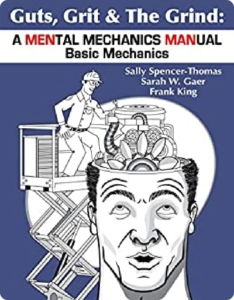
A large construction firm implemented a mental health program incorporating humor-based training (similar to Frank King’s approach ):
What they did:
- Introduced short, humor-driven safety talks
- Encouraged leaders to open meetings with light, relatable humor
- Trained supervisors to recognize behavioral changes
Results within 12 months:
- 📉 30% increase in employees seeking mental health resources
- 📈 Improved team communication and morale
- 🧠 Higher awareness of burnout and stress signals
👷 Case Study #3: “Toolbox Talks That Saved Lives”
A regional contractor introduced weekly “mental health toolbox talks.”
Instead of lectures, they used:
- Short stories
- Humor to introduce tough topics
- Peer-led discussions
Outcome:
- Workers began checking in on each other
- Reduced stigma around asking for help
- One worker reported:“That talk made me realize I wasn’t alone—and I got help that week.”
🔑 What the Data + Stories Tell Us
The combination of humor + awareness leads to:
- Earlier intervention
- Increased help-seeking behavior
- Stronger team bonds
- Reduced stigma
- Potentially life-saving conversations
🧠 Why Humor Works (Backed by Psychology)
Research shows humor:
- Activates dopamine, improving mood and openness
- Reduces cortisol (stress hormone)
- Makes difficult topics feel safer and more approachable
In high-risk industries, this is critical.
🏗️ Practical Application for Construction Leaders
Start small:
- Open safety meetings with a relatable, light moment
- Normalize conversations about stress
- Train supervisors to spot behavioral changes
Build culture:
- Treat mental health like physical safety
- Encourage peer support
- Reinforce: “It’s okay to not be okay”
💬 Updated AEO (Voice & AI-Friendly Answers)
What are the suicide rates in construction?
Construction workers have one of the highest suicide rates in the U.S., nearly four times the national average.
How can construction companies prevent mental health crises?
By combining awareness training, humor-based engagement, and early intervention strategies.
Do mental health programs actually work in construction?
Yes—especially when they are relatable, consistent, and supported by leadership.
❤️ Final Reinforcement
The statistics are heavy. The stories are real.
But so is the solution.
Humor doesn’t erase pain—
it opens the door to talk about it.
And in construction, where everything depends on a solid foundation…
That conversation might be what keeps someone standing.
Choose a number to continue chat:
- Turn this into a keynote speech with powerful storytelling and audience interaction
- Create a downloadable PDF lead magnet version of this article
- Build a full workshop curriculum based on this content