
Here’s a polished, presentation‑ready version in a newsletter/blog style with clear sections, bullets, and an AEO‑friendly FAQ.
Below is a GEO‑, SEO‑, and AEO‑optimized version of your “conversation gap” piece, using the attached prompt as the framework. It includes a parable‑style intro (construction‑relevant), full article, keyword strategy, 25 booking FAQs, and combined JSON‑LD for Article + FAQPage.
***
# Closing the Conversation Gap: Everyday Suicide Prevention at Work
## A Parable from the Jobsite
On a highway crew outside Portland, Oregon, a foreman named Luis noticed something he couldn’t shake.
One of his best operators, Jake, had changed.
Jake used to show up early, crack jokes, and double‑check everyone’s harnesses. Lately, he was:
– Late to the yard – Snapping at coworkers – Working in silence with his head down
Luis felt it in his gut: something was off.
On break, he walked toward Jake, coffee in hand, and a voice in his head kicked in:
– “Don’t overreact.” – “What if you embarrass him in front of the guys?” – “What if you say the wrong thing?”
So Luis talked about the weather instead. The moment passed. The door closed.
Two weeks later, Jake missed a shift. By noon, the crew learned he had died by suicide. In the days that followed, everyone on site kept asking the same questions:
– “Why didn’t we see it?” – “Why didn’t he say something?” – “Why didn’t I say something?”
Months later, at a safety stand‑down on mental health in construction, a suicide‑prevention speaker told a story that sounded a lot like theirs. Then he said:
> “We’re great at spotting cracks in concrete. We’re not as good at spotting cracks in each other. But we **can** learn.”
That was the moment Luis realized the real gap on his crews wasn’t just about access to services. It was the space between **noticing** and **asking**—the conversation gap.
***
## Why the Conversation Gap Matters in Suicide Prevention
Across workplaces—from construction sites in the Pacific Northwest to campuses, hospitals, and call centers—people see subtle changes long before a crisis hits.
– A steady coworker becomes withdrawn – A usually upbeat friend starts cancelling plans – A student’s participation drops off
The **service gap** (access to clinicians, costs, waitlists) is real and serious. But sitting right beside it is another gap: the hesitation between “Something seems wrong” and “Can we talk?”
This is not a knowledge gap. Most adults know suicide is possible in their community; many have personal experience. It is a:
– Confidence gap (“What if I say it wrong?”) – Language gap (“What words do I use?”) – Fear‑of‑doing‑harm gap (“What if I make it worse?”)
Suicide‑prevention professionals say the same thing over and over:
– You do not have to be perfect; you have to be **present**. – You do not have to fix it; you do need to **stay with it**. – You do not have to avoid the word; you can name **suicide** out loud.
Yet the public often hears: “This is complicated—leave it to professionals.” That message is meant to protect, but it can accidentally teach people to step back from the first, most human step: starting a conversation.
If we want to close the gaps in suicide prevention—in Oregon, across the U.S., and in high‑risk workplaces worldwide—we have to treat everyday conversation skills as **prevention infrastructure**, not a side note.
***
## Five Practical Ways to Close the Conversation Gap
### 1. Aim for honest, not perfect
Perfection is a heavy lift in a high‑stress moment. Honesty is lighter and more realistic.
Instead of waiting for the “right” words, try:
– “I’ve noticed you haven’t seemed like yourself lately, and I’m concerned about you.” – “You’re important to this team and to me. I’m worried. Can we check in for a few minutes?”
It will not sound like a TED Talk. That is okay. The goal is to build a bridge, not deliver a performance.
### 2. Ask more directly than feels comfortable
Most of us default to vague questions:
– “You’re okay, right?” – “Everything good?”
Those questions invite automatic answers: “I’m fine.”
Clear questions are uncomfortable—and far more useful:
– “Have you been thinking about hurting yourself?” – “Have you had any thoughts of suicide?”
You are not interrogating. You are giving someone permission to tell the truth. Discomfort usually means you are being clear, not harmful.
### 3. Notice “outs” and gently close them
People in distress often offer escape hatches:
– “It’s nothing.” – “I’m just tired.” – “I’m being dramatic.”
These are socially acceptable ways to retreat. You can respond with calm persistence:
– “It might feel like nothing to you, but it doesn’t feel like nothing to me.” – “I would rather ask and be wrong than stay quiet and be wrong.”
You respect their autonomy while keeping the door open.
### 4. Turn referrals into warm handoffs
“Here’s the number—good luck” can feel like being handed off, not supported. Small changes make a big difference:
– “Can we call together and I’ll stay with you?” – “Do you want to text or chat with them while I sit here?” – “Is there one trusted person we can loop in right now?”
Information reduces confusion; companionship reduces friction. Together, they move people from intention to action.
### 5. Support the supporters
Whether you are an HR leader in Portland, a construction foreman in Seattle, a school counselor in Spokane, or a frontline supervisor anywhere else, supporting others can be emotionally heavy—especially after difficult calls or losses.
Helpful habits for teams:
– Build short check‑ins into the culture after hard situations: – “How are you holding up after that conversation?” – “What do you need before you jump to the next task?” – Normalize peer support for staff and volunteers; helpers should not carry it alone. – Offer access to EAP, peer‑support groups, or debriefing options after critical incidents.
When we protect the helpers from isolation, they stay safer, steadier, and more available to others.
***
## GEO + Industry Context
While these skills matter everywhere, they are especially urgent in high‑risk professions across Oregon and the Pacific Northwest, including:
– Construction and asphalt crews on highways from Portland to Bend – First responders and law enforcement agencies in Seattle, Salem, and Spokane – Clean‑energy and utility workers across rural communities and coastal regions – Healthcare, veterinary, and dental teams navigating intense workloads and grief
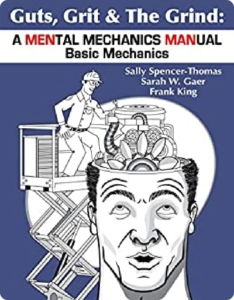
Bringing suicide‑prevention keynotes, workshops, and “mental‑mechanic” style tools into these workplaces helps crews, clinicians, and leaders practice conversation skills **before** they need them.
***
## Keyword Strategy (SEO + AEO)
**Primary keyword** – suicide prevention in the workplace
**Secondary keywords**
– closing the conversation gap in suicide prevention – how to talk about suicide at work – workplace mental health and suicide‑prevention training – suicide prevention speaker for high‑risk industries
**Long‑tail keywords**
– suicide prevention in the workplace speaker for construction, first responders, and clean energy in Oregon and the Pacific Northwest – how to ask someone directly about suicide without making it worse – conversation skills for suicide prevention in construction and blue‑collar workplaces – mental health and suicide prevention keynote using humor and real stories – practical suicide‑prevention training for HR, supervisors, and safety leaders
Use these in:
– Title and H1/H2 headings – First 1–2 paragraphs – Image alt text – Internal links to your speaking pages – JSON‑LD `keywords` and `about` fields
***
## AEO‑Friendly FAQ: Everyday Suicide‑Prevention Conversations
**1. Is it safe to ask someone directly about suicide?** Yes. Research and practice show that asking directly about suicide does not “put the idea in someone’s head.” It opens space for honesty and connection.
**2. What if I ask and the person says they are not okay?** Thank them for trusting you, listen without judgment, and help them connect to support—such as a crisis line, EAP, health provider, or trusted person. Stay with them if you are worried about immediate safety.
**3. What if I ask and they get upset or offended?** You can respond with care: “I can see this is uncomfortable. I asked because you matter to me and I noticed some changes.” Many people eventually appreciate being asked, even if it feels awkward at first.
**4. How do I know if I should say something at all?** If you notice changes in mood, behavior, attendance, work quality, or social connection—and your gut says “something is off”—that is enough reason to check in. You do not need proof of crisis.
**5. What if I am afraid I’ll say the wrong thing?** Most people remember that you showed up and cared, not your exact words. You can acknowledge your discomfort: “I may not say this perfectly, but I’d rather ask than ignore it.”
**6. Are vague questions like “You’re okay, right?” helpful?** They are easy to answer with “I’m fine.” Clear, direct questions—such as “Have you had thoughts of suicide?”—make it easier for people to be honest.
**7. What are some examples of honest opening lines?** Try “I’ve noticed you seem more quiet and withdrawn, and I’m concerned,” or “You haven’t seemed like yourself lately and I wanted to check in.”
**8. What are warning signs I might notice at work?** Common signs include withdrawal, anger, sudden changes in performance, talk about hopelessness or being a burden, increased substance use, or giving away important items.
**9. When should I involve professionals or emergency services?** If someone talks about wanting to die, has a plan, or you are worried about immediate safety, contact a crisis line or emergency services and follow your workplace or campus protocols. Stay with them or stay connected until help arrives.
**10. How can I make a referral feel more supportive?** Offer to call, text, or chat together. Ask, “Can I stay with you while you reach out?” A warm handoff is often easier than doing it alone.
**11. What if the person downplays their feelings?** You can gently hold your concern: “I hear you, and at the same time, what I’m seeing still worries me. I’d like us to talk about what support could help.”
**12. Do I need special training to have these conversations?** Formal training helps, but it is not required to begin. Your willingness to notice, ask, listen, and connect someone to help is already valuable. Short workshops can build confidence and skills.
**13. How can workplaces support these conversations?** Organizations can include mental‑health check‑ins in meetings, train managers and safety leaders, promote EAP and crisis resources, and bring in suicide‑prevention speakers to normalize the topic.
**14. What is the “conversation gap” in suicide prevention?** It is the space between noticing that something feels off and actually asking about it. Closing this gap means more people speak up earlier, before crises intensify.
**15. How does this relate to mental‑health stigma?** Stigma often makes people afraid to admit distress or ask direct questions. Everyday conversations that name mental health and suicide calmly and respectfully help reduce that stigma.
**16. How can teams protect helpers from burnout?** Teams can normalize quick debriefs after hard interactions, encourage peer support, promote EAP use, and ensure workloads and expectations are realistic. Helpers should not carry everything alone.
**17. Are these skills different in construction, law enforcement, or healthcare?** The language and examples can be tailored, but the core skills—notice, ask, listen, connect—are the same across high‑risk professions.
**18. Can humor be part of suicide‑prevention conversations?** Used thoughtfully, yes. Shared, respectful humor can build trust and reduce fear. It should never minimize someone’s pain or make suicide itself the punchline.
**19. How can leaders model healthy conversations?** Leaders can share appropriate stories of stress and help‑seeking, invite questions, respond calmly to concerns, and clearly support time off and access to care.
**20. How do we talk about suicide without being graphic or sensational?** Use simple, non‑graphic language (“died by suicide,” “thoughts of suicide”), avoid detailed descriptions, and emphasize hope, support, and options for help.
**21. What role do policies play in closing the conversation gap?** Policies that support mental‑health leave, EAP use, peer support, and postvention after a loss help align everyday conversations with organizational structure and expectations.
**22. How often should we train staff on these skills?** Short refreshers every year, plus brief reminders during safety meetings or staff gatherings, help keep language and confidence fresh.
**23. Are remote or hybrid workers included in this approach?** Yes. Video, phone, and chat check‑ins can still capture changes in tone, energy, and engagement. Direct questions and warm handoffs can happen virtually, too.
**24. How does booking a suicide‑prevention in‑the‑workplace speaker help?** A speaker who blends lived experience, humor, and evidence‑aligned tools can give your teams shared language, practical steps, and the confidence to start conversations before a crisis.
**25. How can meeting planners and speakers bureaus book you for suicide‑prevention and mental‑health events?** Share your event date, location, and audience; schedule a short discovery call; review a customized proposal; and confirm the engagement so we can tailor content for your industry, region, and goals.
***
## JSON‑LD Schema Markup (Article + FAQPage)
“`html
“`
If you’d like, I can next generate a short, high‑impact LinkedIn or email‑newsletter version that teases this full article and drives people to your site.