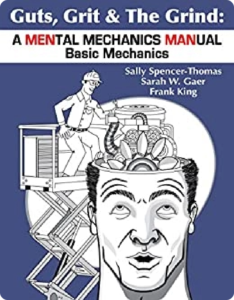

Choosing an online gatekeeper course is not like choosing a new expense-report platform. If the course works, a supervisor, coworker, or peer may feel more prepared to begin a conversation they have been avoiding. This online gatekeeper course review is designed to help HR leaders, safety professionals, and meeting planners tell the difference between a checkbox program and training people can actually use when a colleague is struggling.
A gatekeeper is simply someone positioned to notice concern, ask about it, listen, and connect a person with appropriate help. They are not therapists, diagnosticians, or emergency responders by default. Think of them as the person who spots smoke and knows what to do next – not the person expected to rebuild the whole house with a garden hose.
That distinction matters, especially in safety-sensitive fields. Construction crews, healthcare teams, first responders, agricultural workers, and skilled tradespeople may be used to solving problems with their hands. A strong course gives them practical words and clear next steps without pretending a 60-minute module turns anyone into a clinician.
What a good online gatekeeper course should teach
The best courses make the learning objectives clear before you enroll. Participants should leave with a better ability to recognize warning signs and risk factors, start a direct and compassionate conversation, listen without judgment, and connect the person to support.
The material should explain that warning signs are not a prediction tool. No course can tell participants exactly what another person will do. Instead, it should help them recognize meaningful changes: a person talking about feeling trapped or hopeless, withdrawing from others, giving away valued possessions, appearing overwhelmed by a major loss, or expressing that others would be better off without them. Context matters. One hard day does not automatically signal a crisis, but a pattern of concern deserves attention.
A credible course also teaches direct language. People often worry that asking about suicide will put the idea in someone’s head. A well-designed program corrects that misconception and models a calm, caring question such as: “I’ve noticed you seem really overwhelmed lately, and I’m concerned about you. Are you thinking about suicide?”
That is not a magic sentence. It is a doorway. The next skill is staying present long enough to hear the answer. Participants need permission to say less, listen more, avoid arguing or minimizing, and focus on connecting the person to immediate appropriate support.
Look for practice, not just information
A polished video and a downloadable certificate can make a course look substantial. But information is not the same as readiness. Most people do not freeze in a difficult conversation because they failed a quiz on terminology. They freeze because the moment feels personal, frightening, and unscripted.
Look for realistic scenarios, demonstrations, reflection prompts, and opportunities to rehearse language. The course does not need a Hollywood budget. It does need to show what a compassionate response sounds like when someone says, “I’m fine,” even though they clearly are not.
Strong instruction should also cover what not to do. Avoid promising secrecy when safety is at stake. Avoid trying to debate someone out of their feelings. Avoid cheerful dismissal, such as “You have so much to be grateful for.” Well-meant reassurance can accidentally leave a person feeling more alone.
For online learning, consider how the course keeps attention. A two-hour lecture with 87 slides may meet a requirement, but it may not meet the human brain where it lives. Short modules, realistic examples, knowledge checks, and a facilitator-led discussion afterward can make the learning stick.
They call it comic relief for a reason. Thoughtful humor can lower the room’s anxiety enough for people to learn and participate. It should never make a vulnerable person, a mental health condition, or a suicide loss the punchline. The goal is ah-ha’s and a few ha-ha’s, not a comedy routine stapled to a serious subject.
Does the course fit your workplace?
Generic training has a place, particularly for organizations starting from scratch. Still, the best fit usually reflects the realities your people face.
A course for supervisors should address the challenge of having a caring conversation while maintaining professional boundaries. A peer-support audience may need more help with listening, follow-up, and referral. A construction or trades audience may respond better to plainspoken examples about job stress, injury, isolation, changing schedules, and the culture of toughness than to language that sounds like it wandered in from a graduate seminar.
Ask whether the examples reflect your workforce without stereotyping it. “Tough guys do not talk” is not useful training. Neither is pretending every employee has the same access to care, comfort with disclosure, or relationship to workplace leadership.
Consider delivery, too. Online may be ideal for dispersed teams, shift workers, or annual refresher education. But if your organization is trying to shift culture after a loss, during a period of intense stress, or across a workforce that is hesitant to speak openly, a live conversation may add what a module cannot: shared language, permission to ask questions, and the sense that leadership means it.
The limits should be stated plainly
Any online gatekeeper course review should ask a simple question: does the provider clearly explain what the course does not do?
Gatekeeper education can improve awareness and help people take a compassionate next step. It does not replace clinical suicide risk assessment, mental health diagnosis, treatment, emergency services, employee assistance programs, or local crisis response procedures. If a course implies it can guarantee prevention or make participants qualified to assess risk clinically, that is a red flag the size of a conference room curtain.
A responsible course should encourage participants to follow their organization’s emergency procedures when there is immediate danger and to involve qualified support. It should explain referral pathways in practical terms: who to call, how to stay with the person when appropriate, when to notify a supervisor or designated response team, and how to document or escalate concerns according to workplace policy.
This is where buyers need to do some homework of their own. Training is only as useful as the support system behind it. Before launch, confirm that employees know where to find your EAP information, local crisis resources, HR contacts, peer-support options, and emergency procedures. A course cannot connect people to help if the organization has not identified the help.
Questions to ask before you buy
Before selecting a program, ask the provider how the content was developed, who reviews it for accuracy, and when it was last updated. Ask whether it includes direct-question practice, referral guidance, and information about boundaries and confidentiality.
Also ask how completion is tracked, whether the course works on mobile devices, how accessible it is for participants with disabilities, and whether it can support your continuing education requirements. If your team operates in more than one location, ask whether the referral material can be customized. A resource list that sends a Canadian employee to a U.S.-only service is not a small typo. It is a broken handoff.
Finally, ask what happens after completion. The strongest programs are part of a larger plan that may include supervisor education, peer support, clear response protocols, leadership communication, and postvention planning. Postvention is the organized support and response after a suicide death or other devastating loss. It is not a topic anyone hopes to need, which is exactly why it belongs in the plan.
What success really looks like
Success is not every participant becoming an eloquent mental health speaker by Friday afternoon. Success may look quieter: a foreman notices a worker pulling away and checks in. A colleague asks a direct question rather than changing the subject. A manager knows where to turn instead of carrying a serious concern alone.
Those moments are not small. They can change the next hour, the next conversation, and sometimes the next outcome.
Frequently asked questions
Is an online course enough for workplace suicide prevention?
It can be a valuable starting point and an efficient refresher, especially for large or distributed teams. It is more effective when paired with clear internal procedures, current referral resources, leadership support, and opportunities to discuss real-world questions.
Should managers receive different training from employees?
Usually, yes. Everyone can benefit from gatekeeper skills, while managers also need guidance on documentation, privacy, policy, escalation, and how to respond without trying to become a counselor.
Can humor be appropriate in suicide prevention education?
Yes, when it is used with care. Gentle, clean humor can lower defensiveness and help people stay engaged with difficult material. It should create connection and hope, never minimize pain or target people who are suffering.
A course is not the finish line. It is an invitation to build a workplace where people know that asking, listening, and getting help are acts of strength. If you are planning a conference or workplace learning event and want practical suicide prevention education with hope, humanity, and a few carefully placed laughs, book a discovery call.