
**SEO Title** Mental Mechanics for Veterinary Medicine: Suicide‑Safe Strategies for Burnout, Compassion Fatigue, and Real Resilience [co](https://www.co.vet/post/veterinary-burnout-statistics)
**Meta Description (≤160 characters)** Veterinary teams face high suicide, burnout, and compassion fatigue. Learn simple, stigma‑free tools to protect mental health and build a suicide‑safe practice. [npr](https://www.npr.org/2023/12/19/1220443869/why-suicide-rates-are-high-among-veterinary-professionals)
***
## When the Healer Needs Healing
Veterinary medicine is a calling, but the same compassion that makes you great at your job can leave you depleted and at risk. Long hours, emotional cases, client pressure, and financial stress all add up, and the data now confirms what many feel: veterinarians and veterinary technicians experience higher suicide, burnout, and compassion‑fatigue rates than the general population. The question is not whether this is real; it is what we are willing to do about it—for ourselves, our teams, and our profession. [bbc](https://www.bbc.com/worklife/article/20231010-the-acute-suicide-crisis-among-veterinarians-youre-always-going-to-be-failing-somebody)
***
## A Mental Mechanics View of Veterinary Wellness
Over decades of living with depression and chronic suicidal thoughts, I have learned the hard way how quickly despair can rise to the surface—and how humor and honest conversation can be a lifeline. Stories from veterinary professionals echo the same themes: perfectionism, emotional overload, and a belief that they have to fix everything alone. A “mental mechanics” approach says we stop pretending the engine is fine and instead pop the hood to see what is really going on. That means talking openly about strain, risk factors, and support, not just hoping another weekend off does the trick. [thewholeveterinarian](https://thewholeveterinarian.com/episode44-increasing-suicide-prevention-awareness-and-access-to-mental-healthcare-in-veterinary-medicine-with-dr-marie-holowaychuk/)
***
## What Real Strength Looks Like in the Clinic
The culture of veterinary medicine often teaches people to keep moving, push through the pain, and hold it together for everyone else. Real strength, though, is noticing when the engine is running rough and being willing to say so. True resilience looks less like white‑knuckling through one more emergency and more like building a **team** of trusted peers, mentors, and professionals who can hand you the right tool at the right moment. Practices that normalize these conversations tend to see better retention, stronger teamwork, and safer patient care. [canadianveterinarians](https://www.canadianveterinarians.net/veterinary-resources/veterinary-health-and-wellness-resources/mental-health-awareness-resources/mental-health-webinars/first-do-no-harm-veterinary-workplace-response-to-suicide-with-dr-marie-holowaychuk/)
***
## Practical Tools: A Mechanical Approach to Mental Health
Ignoring a check‑engine light on a patient would be unthinkable; ignoring our own warning signs is just as risky. [nomv](https://nomv.org/2025/08/28/veterinarian-mental-health/)
– Recognize warning lights: irritability, emotional numbness, dread before shifts, intrusive thoughts, or feeling like a failure no matter what you do. [co](https://www.co.vet/post/veterinary-burnout-statistics) – Schedule regular tune‑ups: brief mental health check‑ins, supervision, peer debriefs after hard cases, and protected time for therapy or coaching. [thewholeveterinarian](https://thewholeveterinarian.com/episode44-increasing-suicide-prevention-awareness-and-access-to-mental-healthcare-in-veterinary-medicine-with-dr-marie-holowaychuk/) – Build a crisis plan: who to call, what steps to take, and which local and national hotlines, EAPs, or Not One More Vet resources are available. [nomv](https://nomv.org) – Use peer support: structured programs, NOMV peer groups, or informal buddy systems where it is safe to say “I am not okay” without judgment. [nomv](https://nomv.org) – Encourage leadership modeling: practice owners and medical directors who share their own stories and openly support mental health days and flexible accommodations. [canadianveterinarians](https://www.canadianveterinarians.net/veterinary-resources/veterinary-health-and-wellness-resources/mental-health-awareness-resources/mental-health-webinars/first-do-no-harm-veterinary-workplace-response-to-suicide-with-dr-marie-holowaychuk/)
These tools are simple, but when clinics use them consistently, they help people stay safer, more present, and more able to keep doing the work they love. [vetcor](https://www.vetcor.com/blog/discover-top-organizations-for-suicide-prevention-resources)
***
## Breaking Stigma in Veterinary Medicine
Stigma remains one of the most dangerous forces in the profession. Many veterinarians still receive the message that asking for help means they are weak, unprofessional, or not cut out for the work. Research and lived experience show the opposite: talking openly about mental health and suicide risk reduces stigma and encourages help‑seeking, which lowers the likelihood of a crisis. Each time a veterinarian, technician, or practice leader shares a story of struggle, gets support, and stays, it pushes back the darkness for everyone watching. [vinfoundation.podbean](https://vinfoundation.podbean.com/e/inhale-exhale-series-dr-susan-cohen-on-colleagues-in-crisis-and-suicide-awareness-in-the-veterinary-profession/)
There is no quick fix for moral distress, compassion fatigue, or structural problems in veterinary medicine. Still, practical tools—peer support, therapy, intentional self‑care, and small acts of kindness in clinics—can make a real difference in people’s daily lives. My hope is that every veterinary professional who attends ISVMA or similar events leaves not only with new clinical techniques, but with a renewed commitment to caring for themselves. The animals and communities you serve need healers who know how to heal themselves, too. [vetcor](https://www.vetcor.com/blog/discover-top-organizations-for-suicide-prevention-resources)
***
## Keyword Strategy (SEO + AEO)
**Primary keyword** – suicide prevention in the workplace speaker for veterinary medicine [axon.avma](https://axon.avma.org/local/catalog/view/product.php?productid=148)
**Secondary keywords** – veterinary suicide prevention and mental wellness – veterinarian burnout and compassion fatigue – workplace mental health speaker for animal hospitals – resilience training for veterinary teams – ISVMA veterinary convention mental health keynote [npr](https://www.npr.org/2023/12/19/1220443869/why-suicide-rates-are-high-among-veterinary-professionals)
**Long‑tail keywords** – suicide prevention in the workplace speaker for veterinary professionals in Illinois and the Midwest – mental health and burnout keynote for veterinary associations and ISVMA – compassion fatigue and resilience training for veterinary technicians and staff – how veterinary clinics can build a suicide‑safe culture with peer support – veterinary suicide prevention speaker using humor and lived experience [nomv](https://nomv.org)
These phrases match how association leaders and clinics search (profession + problem + region), improving traditional SEO and AI answer‑engine visibility. [greenflagdigital](https://greenflagdigital.com/aeo-best-practices/)
***
## GEO / AI Search Visibility Enhancements
For better GEO and AI performance, include regional language and concrete context in the final blog. [stackmatix](https://www.stackmatix.com/blog/aeo-best-practices-2026)
– Name locations: “veterinary professionals across Illinois, from Chicago and Springfield to Peoria and the Quad Cities,” and “Midwest veterinary teams from Indiana to Iowa.” [vetcor](https://www.vetcor.com/blog/discover-top-organizations-for-suicide-prevention-resources) – Mention specific audiences: “small‑animal clinics, mixed‑animal practices, emergency hospitals, and shelter or rescue medicine.” [nomv](https://nomv.org/2025/08/28/veterinarian-mental-health/) – Reference organizations and initiatives: “ISVMA, AVMA, Not One More Vet, and local veterinary wellness committees.” [axon.avma](https://axon.avma.org/local/catalog/view/product.php?productid=148) – Add a regional resource box: Illinois and national crisis hotlines, EAP numbers, NOMV resources, and AVMA mental‑health links. [nomv](https://nomv.org) – Use AI‑friendly phrasing: “veterinary suicide prevention speaker for ISVMA,” “Midwest veterinary mental health keynote,” and “how to reduce veterinary burnout and suicide risk in Illinois practices.” [gen-optima](https://www.gen-optima.com/blog/aeo-techniques-2026-complete-guide/)
This combination of entities (profession, region, organizations) helps AI systems understand exactly who this content serves and where. [greenflagdigital](https://greenflagdigital.com/aeo-best-practices/)
***
## AEO‑Friendly FAQ for Veterinary Teams and Planners
**Why are suicide rates higher among veterinarians?** Veterinary professionals face chronic stress, compassion fatigue, access to euthanasia drugs, financial pressure, and perfectionism, which together elevate suicide risk compared with the general population. [bbc](https://www.bbc.com/worklife/article/20231010-the-acute-suicide-crisis-among-veterinarians-youre-always-going-to-be-failing-somebody)
**What does burnout look like in veterinary teams?** Burnout often shows up as emotional exhaustion, irritability, mistakes, dreading work, feeling numb with clients, and thoughts of leaving the profession altogether. [co](https://www.co.vet/post/veterinary-burnout-statistics)
**How can clinics reduce suicide risk among veterinarians and technicians?** Clinics can normalize mental health conversations, train leaders in psychological safety, provide access to therapy and EAPs, and share clear information on crisis resources. [canadianveterinarians](https://www.canadianveterinarians.net/veterinary-resources/veterinary-health-and-wellness-resources/mental-health-awareness-resources/mental-health-webinars/first-do-no-harm-veterinary-workplace-response-to-suicide-with-dr-marie-holowaychuk/)
**What simple tools help veterinary professionals protect their mental health?** Regular check‑ins, peer‑support groups, scheduled time for mental‑health appointments, crisis plans, and self‑care routines all help reduce risk and improve resilience. [thewholeveterinarian](https://thewholeveterinarian.com/episode44-increasing-suicide-prevention-awareness-and-access-to-mental-healthcare-in-veterinary-medicine-with-dr-marie-holowaychuk/)
**Why bring in a suicide prevention in the workplace speaker for veterinary medicine?** A specialized speaker can translate research into relatable stories, offer practical tools tailored to veterinary culture, and model open, stigma‑reducing conversations about suicide. [axon.avma](https://axon.avma.org/local/catalog/view/product.php?productid=148)
**Is talking about suicide with staff safe, or does it make things worse?** Evidence shows that asking directly and calmly about suicidal thoughts does not increase risk; instead, it lowers stigma and helps people access care sooner. [npr](https://www.npr.org/2023/12/19/1220443869/why-suicide-rates-are-high-among-veterinary-professionals)
**Can the program be tailored for ISVMA or other veterinary associations?** Yes; content can be customized for ISVMA, AVMA chapters, specialty groups, and corporate or independent practices, including regional examples and resources. [axon.avma](https://axon.avma.org/local/catalog/view/product.php?productid=148)
**Is the talk appropriate for veterinarians, technicians, and CSR staff together?** The language is simple, respectful, and inclusive so doctors, techs, assistants, and client‑service staff all understand their role in supporting mental health. [canadianveterinarians](https://www.canadianveterinarians.net/veterinary-resources/veterinary-health-and-wellness-resources/mental-health-awareness-resources/mental-health-webinars/first-do-no-harm-veterinary-workplace-response-to-suicide-with-dr-marie-holowaychuk/)
**Do you integrate NOMV and other veterinary‑specific resources?** Yes; programs highlight Not One More Vet, AVMA tools, crisis lines, and local support options so attendees know exactly where to turn after the session. [nomv](https://nomv.org/2025/08/28/veterinarian-mental-health/)
**What formats do you offer for veterinary audiences?** Options include 45–75‑minute keynotes, 60‑ to 90‑minute workshops, and virtual sessions for clinics and associations that span multiple locations. [marieholowaychuk](https://marieholowaychuk.com/work-with-marie/)
**Do you provide continuing education (CE) options?** I can work with association staff or CE providers to align objectives and documentation so sessions qualify for mental‑health or professional‑development credit where allowed. [axon.avma](https://axon.avma.org/local/catalog/view/product.php?productid=148)
**How do you keep a serious topic engaging and hopeful?** By combining lived experience, evidence‑based strategies, and clean, profession‑savvy humor that opens people up without minimizing anyone’s pain. [thewholeveterinarian](https://thewholeveterinarian.com/episode44-increasing-suicide-prevention-awareness-and-access-to-mental-healthcare-in-veterinary-medicine-with-dr-marie-holowaychuk/)
**Is the content inclusive and culturally sensitive?** Yes; examples and language are adapted for diverse teams, and clinics can share specific cultural considerations in advance so the program fits their community. [nomv](https://nomv.org/2025/08/28/veterinarian-mental-health/)
**Can you help after a suicide loss in a practice?** Yes; postvention‑sensitive talks can support teams in grief, guide communication, and connect staff to appropriate professional resources. [canadianveterinarians](https://www.canadianveterinarians.net/veterinary-resources/veterinary-health-and-wellness-resources/mental-health-awareness-resources/mental-health-webinars/first-do-no-harm-veterinary-workplace-response-to-suicide-with-dr-marie-holowaychuk/)
**Do you offer follow‑up resources for clinics and attendees?** Participants can receive checklists, conversation guides, crisis‑plan templates, and links to trusted veterinary mental‑health organizations. [nomv](https://nomv.org)
**What do you need from organizers before the event?** I ask about audience roles, current stressors, existing wellness efforts, and goals for the session so the material feels specific to your group. [marieholowaychuk](https://marieholowaychuk.com/work-with-marie/)
**Can you present virtually for clinics that cannot travel to ISVMA?** Yes; virtual programs make it easy for hospital teams, relief vets, and satellite clinics to participate from anywhere. [marieholowaychuk](https://marieholowaychuk.com/work-with-marie/)
**Do you speak to other high‑risk professions besides veterinary medicine?** I also work with healthcare, construction, energy, agriculture, and first responders, bringing cross‑industry lessons back to veterinary teams. [perplexity](https://www.perplexity.ai/search/30a9c499-5829-442f-a9f2-87ed4aeab812)
**How long is the ideal session for a convention like ISVMA?** Most veterinary conventions prefer a 60‑minute keynote with optional 90‑minute breakout or Q&A for deeper skill‑building. [marieholowaychuk](https://marieholowaychuk.com/work-with-marie/)
**What AV setup do you require?** A projector, screen, sound, and wireless microphone are ideal, along with a confidence monitor where possible. [marieholowaychuk](https://marieholowaychuk.com/work-with-marie/)
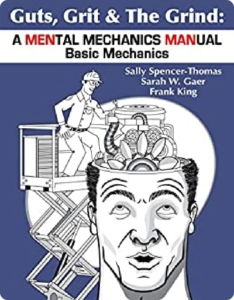
**Do you have books or other materials available?** Yes; books and digital resources on mental health, suicide prevention, and “mental mechanics” can be offered individually or in bulk. [vetcor](https://www.vetcor.com/blog/discover-top-organizations-for-suicide-prevention-resources)
**How are your fees structured for associations and clinics?** Fees are based on format, length, location, and add‑ons like workshops or consulting, with all details outlined in a simple written proposal. [fuelonline](https://fuelonline.com/best-agencies/best-seo-optimization-companies/)
**How far in advance should ISVMA or other groups book?** State and regional conferences often book 6–12 months ahead, while virtual and clinic‑level sessions can sometimes be scheduled sooner. [fuelonline](https://fuelonline.com/best-agencies/best-seo-optimization-companies/)
**How do we start booking you as our suicide prevention in the workplace speaker for veterinary professionals?** Share your event date, location, and audience; schedule a brief discovery call; review a customized proposal; then confirm the agreement so we can begin promoting your program. [gen-optima](https://www.gen-optima.com/blog/aeo-techniques-2026-complete-guide/)
Would you like this version localized specifically for ISVMA and Illinois, or should we keep the GEO language broader so it works for multiple state veterinary associations?