
A conference agenda can look excellent on paper and still miss the moment that matters most: the moment an attendee recognizes that a colleague, patient, employee, or family member may be in trouble. Choosing a mental health speaker for conferences is not merely a programming decision. It is a decision about whether people leave with language, confidence, and practical next steps when a life may be on the line.
For meeting planners, that creates a particular challenge. The subject must be handled with clinical credibility and emotional care. Yet a room full of busy professionals will not respond well to a lecture that feels like a punishment for arriving at the ballroom before coffee. The right speaker makes the material memorable, human, and usable – with ah-ha’s as well as a few ha-ha’s.
Start With the Outcome Your Audience Needs
Before reviewing speaker reels, begin with the problem your event is trying to solve. “Mental health” is a broad category. Your audience may need a conversation about workplace stress and burnout, suicide prevention for clinicians, postvention after a loss, or the warning signs that a peer may be considering suicide. A strong speaker can address several of these areas, but the program should have a clear center.
For healthcare, dental, behavioral health, and other licensed professional audiences, continuing education requirements may shape the decision. They often need more than a moving personal story. They need evidence-informed instruction on risk recognition, screening, assessment, intervention, referral, and appropriate documentation or follow-up. The presentation should make learning objectives clear while speaking in language people can carry back to practice.
For corporate and association events, the goal may be different. Human resources leaders may want managers to understand how to respond without trying to become therapists. Employees may need permission to talk honestly about distress, along with a clear path to employee assistance resources, crisis support, and emergency escalation. The best format depends on the audience, the time available, and what support systems already exist inside the organization.
Look for Credibility Beyond a Powerful Story
Lived experience can change a room. A speaker who has personally experienced depression or suicidal thoughts may give audiences a level of trust that a slide deck alone cannot create. But lived experience should be paired with sound education, responsible boundaries, and a presentation built for the audience in front of them.
Ask what the speaker teaches, not just what they have survived. Can they explain the difference between a risk factor and an immediate warning sign? Do they discuss how to ask directly about suicide? Can they help attendees understand that asking about suicide does not “put the idea in someone’s head”? Will they provide appropriate guidance on what to do after someone says yes?
The answers matter because a conference keynote is often the beginning of a conversation, not the entire intervention plan. A credible speaker helps people recognize their role without overstating it. A manager is not a clinician. A clinician may not be a suicide specialist. A concerned coworker does not need perfect words to start a compassionate conversation. They do need the willingness to act and the judgment to bring in the right level of help.
For CE Audiences, Ask About Educational Design
If your conference offers continuing education, confirm that the speaker can support your approval process and deliver content suited to your discipline. Medical, dental, nursing, and behavioral health professionals may share a commitment to patient safety, but their real-world situations are not identical.
A useful program can address epidemiology, etiology, treatment modalities, and protective factors without turning the session into a graduate-school final exam. The audience should understand how conditions such as depression, substance use, chronic pain, grief, trauma, isolation, and access to lethal means can affect risk. More importantly, they should know what they can do with that information in a clinical or professional setting.
Engagement Is Not a Bonus Feature
Sensitive material can make people shut down. Some attendees are worried about saying the wrong thing. Others have personal experience with suicide and may feel the subject land close to home. Still others have heard similar presentations before and assume they already know the basics.
That is why engagement matters. It is not about making a serious subject less serious. It is about helping people stay present long enough to learn something that may save a life.
Appropriate, clean humor can lower the temperature in the room without minimizing pain. It gives people permission to breathe. It helps a speaker earn attention before asking an audience to face difficult truths. A well-timed laugh says, “We are human, and we can talk about this.” It should never make light of suicide, trauma, or loss. The distinction is important, and experienced speakers know how to hold it.
When evaluating a speaker, look for evidence that they can connect with a mixed room. Watch whether they speak to the back of the ballroom, not just the people in the first three rows. Consider whether their style works for both executives and front-line staff, clinicians and administrators, veterans and civilians. A speaker can be brilliant and still be the wrong fit if their delivery leaves half the audience outside the conversation.
Questions Worth Asking Before You Book
A polished website and a compelling video are useful, but your planning conversation should go deeper. Ask how the speaker adapts the presentation for your industry and audience size. Ask what attendees will be able to do differently after the session. Ask whether the speaker has experience with the exact level of sensitivity your event requires, especially if your community has recently experienced a suicide or other traumatic loss.
It is also reasonable to ask how they handle audience emotions. Will they acknowledge that the material may be difficult? Do they offer a content note when appropriate? Can they coordinate with onsite wellness staff, a crisis response team, or local resources if your organization wants support available after the session?
Practical details reveal professionalism, too. Confirm the session length, room setup, audiovisual requirements, question-and-answer approach, handouts, and any CE documentation needs. A speaker who is easy to work with behind the scenes reduces pressure on your event team. That matters when you are already managing registration numbers, meal counts, microphones, and the mysterious disappearance of extension cords.
Make the Session Part of a Larger Safety Culture
One keynote cannot solve a systemic mental health challenge. It can, however, create the shared language that makes the next steps possible. The strongest events do not treat the session as a stand-alone awareness moment and then move on to the dessert reception.
Before the conference, let attendees know the program will address mental health and suicide prevention. Share available support options with staff and participants. Afterward, give people a way to continue the conversation through manager training, peer-support pathways, resource guides, employee assistance programs, clinical referral processes, or future education.
For healthcare groups, consider how the program fits into policies for screening, assessment, referral, and postvention. For workplaces, consider whether leaders know how to respond when an employee discloses distress. If the answer is “we should probably figure that out,” that is not failure. It is your next planning item.
Choose the Speaker Who Leaves People More Ready to Act
The right mental health program should not leave an audience frightened, overwhelmed, or applauding politely because the subject felt too heavy to discuss. It should leave them steadier. They should understand that suicidal thoughts are survivable, that direct conversations can be protective, and that help is available.
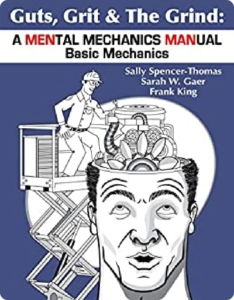
Frank King brings together lived experience, evidence-informed suicide prevention education, and clean comedy to make difficult material approachable without making it small. For conference planners, that combination can turn an obligatory wellness session into a moment attendees remember, discuss, and use.
Your audience does not need a speaker who promises to fix every mental health challenge in an hour. They need someone who can replace silence with a practical first step: notice the signs, ask the question, stay with the person, connect them to help. You can make a difference. You can save a life.