SEO Title
Fixing the Foundation: Nurse Mental Health, Burnout, and the Future of Patient Care
Meta Description (≤160 characters)
Nurse burnout is a safety issue, not a side note. Learn how mental health, peer support, and “mental maintenance” can help nurses stay, thrive, and deliver better care.
When the Foundation Starts to Crack
Across hospitals and health systems in Portland, Salem, Eugene, and far beyond, nursing leaders are facing the same reality: we are in a workforce crisis.
The common response sounds familiar. Hire more staff. Streamline workflows. Lean harder into efficiency and technology.
Those steps matter. But they are not enough. If the emotional and psychological foundation of the nursing workforce is cracking, you cannot fix the problem with staffing ratios alone.
As a mental health and suicide‑prevention speaker working alongside nurses, CNOs, and healthcare executives, I have noticed a shift. Leaders who once focused almost exclusively on length of stay and readmission rates are now asking a deeper question:
“How are our nurses really doing—and what is it costing us when they are not okay?”
The True Cost of Nurse Burnout
The urgency is not theoretical. Recent surveys from organizations like the American Nurses Foundation show that more than half of nurses report emotional exhaustion, and a significant number are considering leaving the profession altogether.
Behind every data point is a person:
A charge nurse who has not had a real break in weeks
A new grad who is already wondering whether bedside nursing is sustainable
A seasoned nurse who quietly searches job sites at 2 a.m.
The traditional story is that nurses are endlessly resilient. They are heroes with bottomless reserves of compassion and grit.
That narrative is powerful—and dangerous.
When “resilient hero” is the only acceptable identity, it becomes much harder to say:
“I’m not okay.”
“I’m exhausted.”
“I need help before something breaks.”
That is where the culture of silence creeps in. And silence is not neutral. It has consequences for nurses, teams, and patients.
Why Silence Is a Safety Issue
Too often, the unspoken message in nursing culture is:
“Tough it out.”
“Don’t let them see you sweat.”
“If you can’t handle it, maybe you’re not cut out for this.”
This mindset does not make nurses stronger. It simply teaches them to hide.
When mental health struggles go underground, you may see:
Rising turnover and vacancy rates
Increased sick time and disengagement
More errors or near‑misses driven by fatigue and distraction
Research on psychological safety shows that when staff feel safe to speak up about concerns—including their own wellbeing—organizations see better retention and stronger patient outcomes.
In other words, talking about nurse mental health is not a “nice to have.” It is a patient safety strategy.
Psychological Safety at the Bedside
So what does it look like when nurse leaders treat emotional wellbeing as a core part of quality and safety?
It often starts with a simple shift: leaders go first.
When executives, directors, and charge nurses are willing to say things like:
“This has been a hard year for me, too.”
“Here’s how I’ve asked for support.”
“It’s okay not to be okay—and here’s what we do next.”
they send a powerful message. Vulnerability from the top makes honesty safer at the bedside.
From there, teams begin to build psychological safety into everyday practice. That might include:
Brief emotional check‑ins at the start or end of huddles
Space in debriefs to talk about how a code or loss felt—not just what went clinically right or wrong
Leaders who respond to distress with curiosity and support, not criticism
When nurses feel safe enough to say “I’m struggling,” you can intervene early—long before the exit interview.
Beyond Posters and Pizza: Building Real Support Systems
Culture change needs structure. Modeling vulnerability is important, but it is not enough on its own.
Hospitals that take nurse mental health seriously build systems, not just slogans. Those systems might include:
Peer support networks
Trained nurses who can listen without judgment and connect colleagues to help
Clear guidelines around confidentiality and scope
Crisis response plans
Step‑by‑step processes for what to do when a nurse is in acute distress
Collaboration with EAP, behavioral health, and HR to ensure a coordinated response
Ongoing education
Training that goes beyond annual checkboxes
Sessions that normalize conversations about burnout, depression, and suicide risk in nursing
Skills for noticing warning signs and starting supportive conversations
These structures should be as routine as hand hygiene, medication reconciliation, or fall‑prevention protocols.
The “Mental Mechanic’s Toolbox” for Nurses
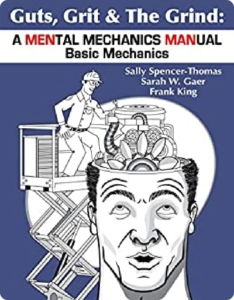
One framework that has resonated with clinical teams I work with is what we call the Mental Mechanic’s Toolbox.
Borrowed from the world of car repair, it treats mental health more like maintenance than mystery. The basic idea:
When a vehicle runs hard, you expect wear and tear.
You schedule maintenance, replace parts, and sometimes bring in a specialist.
You do not wait for a catastrophic failure on the freeway if you can help it.
Applied to nursing, the Mental Mechanic’s Toolbox encourages staff and leaders to:
See stress and burnout as real, addressable issues—not personal failures
Use everyday “tools” for self‑maintenance: sleep, boundaries, debriefing, connection
Recognize when expert help (a therapist, psychiatrist, or intensive support) is needed
Talk openly about this process so everyone knows it is normal
When nurses are given permission to treat their own minds with the same urgency they bring to a crashing patient, everything changes.
Barriers Are Real—but So Is the ROI
None of this is easy. Hospitals in Oregon, across the Pacific Northwest, and nationwide face the same obstacles:
Tight budgets and competing priorities
Limited time for training
Skepticism from staff who have “seen programs come and go”
But the return on investment is real and measurable. Organizations that invest in nurse wellbeing and psychological safety often report:
Reduced turnover and vacancy rates
Lower costs related to constant recruiting and onboarding
Stronger engagement scores and patient‑experience metrics
Every nurse who feels seen, supported, and equipped to manage stress is a nurse who can stay in the profession longer—and give the kind of care they were trained to provide.
Fixing the Foundation of Nursing
If we want a nursing workforce that does more than survive the next staffing crunch, we have to treat mental health as a core pillar of safety and excellence, not an afterthought.
That means:
Putting emotional wellbeing on the same agenda as infection prevention and quality metrics
Training leaders to respond skillfully when staff are struggling
Building systems that make it easier to ask for help than to hide
Fixing the foundation is not glamorous. It will not always fit neatly on a dashboard. But it is where lasting change begins—for nurses, for organizations, and for the patients who depend on both.
AEO‑Friendly FAQ: Nurse Mental Health, Burnout, and Patient Care
1. Why is nurse mental health such a critical issue right now?
Nurses are facing historic levels of stress from staffing shortages, rising acuity, and ongoing change, which increases burnout, emotional exhaustion, and the risk of leaving the profession.
2. How does nurse burnout affect patient care and safety?
Burnout can impair concentration, decision‑making, and communication, contributing to higher error risk, lower patient satisfaction, and increased turnover that disrupts continuity of care.
3. What is psychological safety, and why does it matter for nurses?
Psychological safety is the sense that it is safe to speak up about concerns or mistakes without fear of punishment. For nurses, it’s essential for raising safety issues and asking for help when overwhelmed.
4. What can nurse leaders do to support staff mental health?
Leaders can model vulnerability, invite honest dialogue, normalize help‑seeking, support peer‑support programs, and ensure access to confidential mental‑health resources.
5. What is the “Mental Mechanic’s Toolbox” in a nursing context?
It is a practical framework that treats stress and burnout like mechanical issues: some can be addressed with self‑maintenance, while others require expert help, and both are normal parts of a high‑demand job.
6. How can hospitals integrate mental health into their everyday operations?
They can build peer‑support teams, create crisis and post‑crisis response plans, include mental‑health content in regular education, and discuss wellbeing in huddles and debriefings.
7. What are early signs that a nurse may be burning out or struggling?
Common signs include chronic fatigue, irritability, withdrawal from colleagues, increased errors or near‑misses, dread before shifts, and thoughts of leaving the profession.
8. How can organizations overcome stigma around mental health in nursing?
By changing the narrative from “tough it out” to “we take care of our people,” highlighting stories of nurses who sought help, and training leaders to respond supportively, not punitively, when staff speak up.
Here are the 25 nurse‑specific booking FAQs, followed by copy‑and‑paste JSON‑LD for both the Article and FAQPage.
Nurse‑Specific Booking FAQs
1. What topics do you cover for nursing audiences?
I focus on nurse mental health, burnout, compassion fatigue, and suicide prevention, and I connect those directly to patient safety, retention, and culture change in hospitals and health systems.
2. Who are your ideal nursing audiences?
I speak to bedside nurses, charge nurses, nurse managers, educators, advanced practice nurses, CNOs, and interprofessional teams where nursing is central to care delivery.
3. How is your program relevant to our hospital or health system?
I tailor every program to your setting—academic medical centers, community hospitals, critical access facilities, or outpatient clinics—using your realities, language, and examples so your nurses see themselves in the stories.
4. What are the main learning outcomes of your nurse mental‑health programs?
Attendees leave with a clearer understanding of burnout and suicide risk in nursing, practical tools for self‑check‑ins, skills for peer support, and a framework for treating mental health as a core safety and quality issue.
5. Do you address both bedside and leadership perspectives?
Yes. I speak to the lived experience of frontline nurses and also address how leaders can build psychological safety, model vulnerability, and design systems that support nurse wellbeing.
6. Do you use humor when talking about nurse burnout and suicide prevention?
Yes—carefully and respectfully. Appropriate humor lowers defenses and makes it easier to discuss difficult topics, without minimizing pain or the seriousness of suicide.
7. How long is a typical keynote for a nursing conference or leadership retreat?
Most keynotes are 45–60 minutes, with an option for Q&A. I can also deliver shorter plenary talks or extended sessions up to 75 minutes depending on your agenda.
8. Do you offer workshops or breakout sessions in addition to keynotes?
Absolutely. I offer 60–90 minute workshops and half‑day sessions where nurses can practice conversation skills, explore the Mental Mechanic’s Toolbox, and work on real‑world culture‑change strategies.
9. Can your nurse mental‑health sessions qualify for continuing education (CE) credit?
In many cases, yes. I collaborate with your accredited provider or education department to align objectives and content so you can apply for nursing CE where appropriate.
10. How do you customize content for a specific nursing unit, hospital, or region?
Before the event, we’ll have a discovery call to learn about your units, current stressors, recent events, staffing realities, and goals. I then customize stories, framing, and tools to match your environment.
11. What makes your approach different from other resilience or wellness speakers?
I combine lived experience with chronic suicidality, professional comedy, and evidence‑aligned messaging. Instead of generic self‑care tips, I offer practical, nursing‑specific tools and a focus on psychological safety and culture.
12. How do you keep the session safe and non‑triggering for nurses?
I avoid graphic detail, use safe language, set expectations at the start, emphasize hope and coping, and remind attendees they can step out if needed. I also highlight support options throughout the session.
13. Can you incorporate our hospital’s resources and policies into the talk?
Yes. I can reference your EAP, wellness initiatives, peer‑support teams, spiritual care, and local mental‑health resources so nurses leave knowing exactly where to turn for help.
14. Do you address the link between nurse wellbeing and patient outcomes?
Definitely. I explain how psychological safety and mental health affect teamwork, communication, error rates, and patient experience, framing wellbeing as a patient‑safety and quality imperative.
15. What AV and room setup do you prefer for nursing events?
Ideally, I use a projector with HDMI, a screen, and a handheld or lavalier mic with basic sound. For workshops, a room with tables or pods supports discussion and exercises. I can adapt to more limited setups if needed.
16. Do you present virtually for nursing teams and health systems?
Yes. I regularly deliver live virtual keynotes, grand rounds, and workshops via platforms like Zoom and Teams, which works well for multi‑campus systems and geographically dispersed teams.
17. How far in advance should we book you for a nursing conference or retreat?
Larger conferences and leadership retreats often book 6–12 months ahead. Department‑level trainings and webinars can sometimes be scheduled within 2–6 months, depending on the calendar.
18. What information do you need from nurse planners to get started?
Helpful details include your date, location or platform, audience size and roles, session length, CE plans, current challenges, and the specific outcomes you want for your nurses and leaders.
19. Can you provide marketing materials for our event?
Yes. I provide session titles and descriptions, learning objectives, short and full bios, headshots, and promotional copy you can use in brochures, email campaigns, and on your website.
20. How do you handle sensitive questions or disclosures from nurses during sessions?
I set ground rules for respectful discussion, respond with empathy, avoid turning individual disclosures into public therapy, and guide people toward appropriate private support resources.
21. Do you offer follow‑up options after the keynote or workshop?
Yes. Options include follow‑up Q&A sessions, leadership debriefs, additional trainings for managers and educators, and practical tools like conversation guides and checklists.
22. What are your speaking fees for nursing conferences and in‑house trainings?
Fees depend on format, travel, and customization. Once I know your event details, I provide a clear quote and can discuss budget‑sensitive options for non‑profits and health systems when appropriate.
23. Do you speak to mixed clinical audiences, not just nurses?
Absolutely. I frequently present to combined groups of nurses, physicians, advanced practice providers, social workers, and other team members, while still centering nursing realities and language.
24. How can we measure the impact of your nurse mental‑health program?
Many organizations use pre‑ and post‑session surveys, CE evaluations, and follow‑up feedback to track changes in comfort discussing mental health, awareness of resources, and perceived support. I can suggest sample questions and indicators.
25. How do we start the booking process for a nurse mental‑health and burnout program?
You can start by sharing your date, setting, audience, and goals. From there, we schedule a brief discovery call, tailor the program, confirm fees and logistics, and then coordinate CE details and promotion.
JSON‑LD Article Schema (Nurse Mental Health & Burnout)
Update the @id, publisher.name, and any GEO language (if you want to localize to Oregon / Pacific Northwest, etc.) before publishing.
xml<script type="application/ld+json"> { "@context": "https://schema.org", "@type": "Article", "headline": "Fixing the Foundation: Nurse Mental Health, Burnout, and the Future of Patient Care", "description": "A nurse-focused article on mental health, burnout, and suicide risk that explains why psychological safety and emotional wellbeing are core to patient safety, retention, and excellence in care.", "author": { "@type": "Person", "name": "Frank King" }, "articleSection": "Nurse mental health, burnout, suicide prevention, psychological safety, workforce resilience", "about": [ "nurse mental health and burnout", "psychological safety for nurses", "suicide prevention in nursing workplaces", "nurse wellbeing and patient safety", "nurse mental health and burnout keynote speaker" ], "keywords": [ "nurse mental health and burnout", "nurse wellbeing and patient safety", "psychological safety in nursing teams", "suicide prevention training for nurses", "nursing burnout resilience and retention" ], "mainEntityOfPage": { "@type": "WebPage", "@id": "https://example.com/nurse-mental-health-burnout-patient-care" }, "publisher": { "@type": "Organization", "name": "The Mental Health Comedian" } } </script>
JSON‑LD FAQPage Schema (Nurse Booking FAQs)
Paste this where your FAQ content lives (same page as the article or a dedicated “Nurse Mental Health Speaker” page).
xml<script type="application/ld+json"> { "@context": "https://schema.org", "@type": "FAQPage", "mainEntity": [ { "@type": "Question", "name": "What topics do you cover for nursing audiences?", "acceptedAnswer": { "@type": "Answer", "text": "I focus on nurse mental health, burnout, compassion fatigue, and suicide prevention, and I connect those directly to patient safety, retention, and culture change in hospitals and health systems." } }, { "@type": "Question", "name": "Who are your ideal nursing audiences?", "acceptedAnswer": { "@type": "Answer", "text": "I speak to bedside nurses, charge nurses, nurse managers, educators, advanced practice nurses, CNOs, and interprofessional teams where nursing is central to care delivery." } }, { "@type": "Question", "name": "How is your program relevant to our hospital or health system?", "acceptedAnswer": { "@type": "Answer", "text": "I tailor every program to your setting—academic medical centers, community hospitals, critical access facilities, or outpatient clinics—using your realities, language, and examples so your nurses see themselves in the stories." } }, { "@type": "Question", "name": "What are the main learning outcomes of your nurse mental-health programs?", "acceptedAnswer": { "@type": "Answer", "text": "Attendees leave with a clearer understanding of burnout and suicide risk in nursing, practical tools for self-check-ins, skills for peer support, and a framework for treating mental health as a core safety and quality issue." } }, { "@type": "Question", "name": "Do you address both bedside and leadership perspectives?", "acceptedAnswer": { "@type": "Answer", "text": "Yes. I speak to the lived experience of frontline nurses and also address how leaders can build psychological safety, model vulnerability, and design systems that support nurse wellbeing." } }, { "@type": "Question", "name": "Do you use humor when talking about nurse burnout and suicide prevention?", "acceptedAnswer": { "@type": "Answer", "text": "Yes—carefully and respectfully. Appropriate humor lowers defenses and makes it easier to discuss difficult topics, without minimizing pain or the seriousness of suicide." } }, { "@type": "Question", "name": "How long is a typical keynote for a nursing conference or leadership retreat?", "acceptedAnswer": { "@type": "Answer", "text": "Most keynotes are 45 to 60 minutes, with an option for Q&A. I can also deliver shorter plenary talks or extended sessions up to 75 minutes depending on your agenda." } }, { "@type": "Question", "name": "Do you offer workshops or breakout sessions in addition to keynotes?", "acceptedAnswer": { "@type": "Answer", "text": "Yes. I offer 60 to 90 minute workshops and half-day sessions where nurses can practice conversation skills, explore the Mental Mechanic's Toolbox, and work on real-world culture-change strategies." } }, { "@type": "Question", "name": "Can your nurse mental-health sessions qualify for continuing education credit?", "acceptedAnswer": { "@type": "Answer", "text": "In many cases, yes. I collaborate with your accredited provider or education department to align objectives and content so you can apply for nursing CE where appropriate." } }, { "@type": "Question", "name": "How do you customize content for a specific nursing unit, hospital, or region?", "acceptedAnswer": { "@type": "Answer", "text": "Before the event, we have a discovery call to learn about your units, current stressors, recent events, staffing realities, and goals. I then customize stories, framing, and tools to match your environment." } }, { "@type": "Question", "name": "What makes your approach different from other resilience or wellness speakers?", "acceptedAnswer": { "@type": "Answer", "text": "I combine lived experience with chronic suicidality, professional comedy, and evidence-aligned messaging. Instead of generic self-care tips, I offer practical, nursing-specific tools and a focus on psychological safety and culture." } }, { "@type": "Question", "name": "How do you keep the session safe and non-triggering for nurses?", "acceptedAnswer": { "@type": "Answer", "text": "I avoid graphic detail, use safe language, set expectations at the start, emphasize hope and coping, and remind attendees they can step out if needed. I also highlight support options throughout the session." } }, { "@type": "Question", "name": "Can you incorporate our hospital's resources and policies into the talk?", "acceptedAnswer": { "@type": "Answer", "text": "Yes. I can reference your EAP, wellness initiatives, peer-support teams, spiritual care, and local mental-health resources so nurses leave knowing exactly where to turn for help." } }, { "@type": "Question", "name": "Do you address the link between nurse wellbeing and patient outcomes?", "acceptedAnswer": { "@type": "Answer", "text": "Yes. I explain how psychological safety and mental health affect teamwork, communication, error rates, and patient experience, framing wellbeing as a patient-safety and quality imperative." } }, { "@type": "Question", "name": "What AV and room setup do you prefer for nursing events?", "acceptedAnswer": { "@type": "Answer", "text": "Ideally, I use a projector with HDMI, a screen, and a handheld or lavalier mic with basic sound. For workshops, a room with tables or pods supports discussion and exercises. I can adapt to more limited setups if needed." } }, { "@type": "Question", "name": "Do you present virtually for nursing teams and health systems?", "acceptedAnswer": { "@type": "Answer", "text": "Yes. I regularly deliver live virtual keynotes, grand rounds, and workshops via platforms like Zoom and Teams, which works well for multi-campus systems and geographically dispersed teams." } }, { "@type": "Question", "name": "How far in advance should we book you for a nursing conference or retreat?", "acceptedAnswer": { "@type": "Answer", "text": "Larger conferences and leadership retreats often book 6 to 12 months ahead. Department-level trainings and webinars can sometimes be scheduled within 2 to 6 months, depending on the calendar." } }, { "@type": "Question", "name": "What information do you need from nurse planners to get started?", "acceptedAnswer": { "@type": "Answer", "text": "Helpful details include your date, location or platform, audience size and roles, session length, CE plans, current challenges, and the specific outcomes you want for your nurses and leaders." } }, { "@type": "Question", "name": "Can you provide marketing materials for our event?", "acceptedAnswer": { "@type": "Answer", "text": "Yes. I provide session titles and descriptions, learning objectives, short and full bios, headshots, and promotional copy you can use in brochures, email campaigns, and on your website." } }, { "@type": "Question", "name": "How do you handle sensitive questions or disclosures from nurses during sessions?", "acceptedAnswer": { "@type": "Answer", "text": "I set ground rules for respectful discussion, respond with empathy, avoid turning individual disclosures into public therapy, and guide people toward appropriate private support resources." } }, { "@type": "Question", "name": "Do you offer follow-up options after the keynote or workshop?", "acceptedAnswer": { "@type": "Answer", "text": "Yes. Options include follow-up Q&A sessions, leadership debriefs, additional trainings for managers and educators, and practical tools like conversation guides and checklists." } }, { "@type": "Question", "name": "What are your speaking fees for nursing conferences and in-house trainings?", "acceptedAnswer": { "@type": "Answer", "text": "Fees depend on format, travel, and customization. Once I know your event details, I provide a clear quote and can discuss budget-sensitive options for non-profits and health systems when appropriate." } }, { "@type": "Question", "name": "Do you speak to mixed clinical audiences, not just nurses?", "acceptedAnswer": { "@type": "Answer", "text": "Yes. I frequently present to combined groups of nurses, physicians, advanced practice providers, social workers, and other team members, while still centering nursing realities and language." } }, { "@type": "Question", "name": "How can we measure the impact of your nurse mental-health program?", "acceptedAnswer": { "@type": "Answer", "text": "Many organizations use pre- and post-session surveys, CE evaluations, and follow-up feedback to track changes in comfort discussing mental health, awareness of resources, and perceived support. I can suggest sample questions and indicators." } }, { "@type": "Question", "name": "How do we start the booking process for a nurse mental-health and burnout program?", "acceptedAnswer": { "@type": "Answer", "text": "You can start by sharing your date, setting, audience, and goals. From there, we schedule a brief discovery call, tailor the program, confirm fees and logistics, and then coordinate CE details and promotion." } } ] } </script>
Going forward, I’ll include the booking FAQs and schema automatically whenever you ask for an AEO/SEO/GEO‑optimized post like this, so you do not have to request them separately.
Make a Quick Call