
**SEO Title** Police Mental Health and Suicide Prevention: A “Mental Mechanics” Toolbox for Law Enforcement
**Meta Description (≤160 characters)** See how law enforcement leaders and officers can tackle stress, stigma, and suicide risk with real conversations, simple tools, and a mental‑health toolbox.
***
## The Quiet Weight Behind the Badge
For many officers, the hardest moments are not the calls, the pursuits, or the scenes—they are the quiet minutes alone in a patrol car or at home after shift. Law enforcement culture has long honored toughness and silence, yet those same values can make it harder to speak up about stress, trauma, and suicidal thoughts. This newsletter uses a **compassionate**, inclusive tone to say what many feel: you are not weak for struggling, and you are not alone.
Silence is not strength when it comes to mental health. It is a risk factor—and one we can change.
***
## How Stigma Hurts Officers, Chiefs, and Families
Across conversations with officers, chiefs, and first responders, one pattern keeps appearing: stigma acts like a wall. It:
– Sends the message “Don’t show weakness,” even after critical incidents or cumulative trauma. – Keeps people from asking for help when they are close to the edge. – Discourages colleagues from checking in on someone who clearly is not okay.
The wall holds as long as everyone stays silent. The moment someone speaks honestly—especially a respected leader—cracks appear. Others step forward. Teams realize they are not alone and that support is possible.
***
## The “Mental Mechanics Toolbox” for Law Enforcement
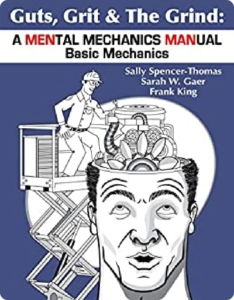
Breaking stigma is more than a motivational speech; it requires daily practices and practical tools. A **mental mechanics** approach treats the brain like critical equipment: it needs maintenance, inspection, and repair. Agencies can:
– **Encourage regular check‑ins.** Supervisors and peers ask, “How are you really doing?” and listen without judgment. – **Build peer‑support teams.** Train officers to support each other, recognize warning signs, and know when to escalate to professional help. – **Develop crisis‑response plans.** Establish clear, confidential steps for getting help when someone is in immediate emotional danger. – **Open communication channels.** Offer anonymous options, chaplain services, EAP contacts, and designated wellness officers.
These are not luxuries. In a profession where suicide risk is high, they are lifesaving infrastructure.
***
## GEO Targeting: Reaching Law Enforcement in Your Region
To improve AI and local search visibility, this message can be localized:
– Reference “law enforcement agencies across **Minnesota**, including police departments, sheriffs’ offices, and state patrol,” and events like the **ETI Conference in Duluth**. – Mention regional realities, such as rural policing challenges, extreme weather, or community tensions. – Highlight nearby resources: state peace‑officer standards boards, regional peer‑support networks, chaplain programs, and Minnesota crisis lines.
Use phrases like “law‑enforcement suicide‑prevention keynote speaker for Minnesota police chiefs” or “officer wellness and mental‑health training in Duluth, Minnesota” in headings, internal links, and image alt‑text.
***
## Keyword Strategy for SEO, GEO, and AEO
Integrate these keywords naturally into titles, subheads, FAQs, and summaries:
**Primary keywords** – law enforcement mental health and suicide prevention speaker – police officer wellness and suicide‑prevention training – mental mechanics toolbox for first responders – officer mental‑health keynote in Minnesota
**Secondary keywords** – stigma, PTSD, and depression in law enforcement – police suicide prevention and peer‑support programs – Minnesota law‑enforcement wellness conference and ETI training – first responder mental‑health and resilience speaker
**Long‑tail keywords** – suicide‑prevention keynote speaker for police chiefs and law‑enforcement conferences in Minnesota – how police leaders can talk about mental health, stress, and suicide with officers – mental‑health and peer‑support training for small and rural law‑enforcement agencies – officer wellness and suicide‑prevention programs for departments in Duluth and across Minnesota
***
## AEO‑Friendly FAQs for Meeting Planners and Speakers Bureaus
Below are 25 concise FAQs and answers you can use on a website or speaker one‑sheet when positioning yourself as a suicide‑prevention‑in‑the‑workplace speaker for law enforcement.
1. **What topics do you cover as a suicide prevention in the workplace speaker for law enforcement?** Core topics include suicide prevention, PTSD, cumulative stress, stigma, resilience, and officer wellness in police departments and public‑safety agencies.
2. **Do you specialize in first‑responder and law‑enforcement audiences?** Yes. Programs are tailored for patrol officers, investigators, dispatchers, supervisors, chiefs, sheriffs, and support staff.
3. **What is your lived experience with depression and suicide?** The keynote includes personal experience with major depression, chronic suicidal ideation, and a near‑miss with suicide, shared in a safe, non‑graphic, hopeful way.
4. **How do you use humor when addressing law‑enforcement mental health?** Clean, respectful humor is used to break tension, connect with officers, and make tough conversations possible—never to minimize trauma.
5. **Is your presentation appropriate for both sworn and civilian staff?** Yes. Content is accessible and relevant for sworn personnel, records and admin staff, dispatchers, and leadership.
6. **How long is your typical keynote for law‑enforcement conferences?** Standard keynotes are 45–60 minutes, with options for shorter segments or extended breakout sessions.
7. **Do you offer workshops and training sessions in addition to keynotes?** Yes. Half‑day and full‑day workshops focus on mental‑mechanics tools, peer support, supervisor skills, and culture change.
8. **Can you customize your program for our agency, region, or conference?** Every program is customized based on your agency size, call load, regional context, and current wellness initiatives.
9. **Do you provide evidence‑informed information on officer suicide prevention?** Yes. The content aligns with recognized best practices and directs participants to professional mental‑health and crisis resources.
10. **What practical tools will our officers and leaders take away?** Attendees leave with simple check‑in practices, warning‑sign lists, peer‑support strategies, crisis‑response steps, and language for asking for and offering help.
11. **Do you cover leadership’s role in building a wellness culture?** Yes. A dedicated portion addresses how chiefs, command staff, and supervisors can model vulnerability, set expectations, and support policy change.
12. **Is your program suitable for small and rural departments?** Yes. Examples and strategies can be tailored to agencies with limited staffing and resources.
13. **Can your session be part of POST or in‑service training?** In many jurisdictions, the session can be aligned with continuing‑education or wellness requirements; coordination is done with your training staff.
14. **Do you address family impact and support?** Yes. A family‑focused version or add‑on segment can help spouses and families understand stress signs and support options.
15. **Do you offer virtual or hybrid presentations for regional agencies?** Yes. Virtual and hybrid formats make it easier to include multiple departments or remote officers.
16. **What AV requirements do you have for in‑person events?** Standard needs include a projector and screen, speakers, a handheld or lavalier microphone, and a slide‑advance clicker, plus a brief tech check.
17. **Can you participate in panels, command‑staff discussions, or debrief sessions?** Yes. Panels, leadership roundtables, and facilitated debriefs can be added around the keynote.
18. **Do you provide follow‑up resources and materials?** Attendees receive a resource sheet with national and local hotlines, peer‑support suggestions, and self‑care tools.
19. **Is your content suitable for academy classes and recruits?** Yes. A recruit‑focused version introduces mental‑health skills and help‑seeking early in an officer’s career.
20. **Do you address dispatcher and communications‑center stress?** Yes. Content can include the unique challenges faced by dispatchers and call‑takers.
21. **How far in advance should we book you for an ETI or statewide event?** Booking six to twelve months in advance is recommended for large conferences and statewide training events.
22. **Do you travel nationally and internationally to law‑enforcement events?** Yes. Travel is available across the United States and internationally, with details outlined in your proposal and contract.
23. **What are your speaking fees for law‑enforcement events?** Fees depend on location, format, length, and customization; planners receive a clear written proposal.
24. **Can you align your talk with our wellness, peer‑support, or chaplain programs?** Yes. Messaging and calls to action can be integrated with existing wellness resources and teams.
25. **How can meeting planners or speakers bureaus book you as a suicide prevention in the workplace speaker for law enforcement?** Planners can contact you through your website, email, or LinkedIn, or schedule a short discovery call to discuss dates, audience needs, and next steps.
***
If you share specific targets (for example, “Minnesota chiefs, command staff, and front‑line officers attending ETI in Duluth”), those phrases can be woven into headings, intros, and FAQs for even stronger GEO and AI‑search visibility.