
**SEO Title** Resilient Nurse Entrepreneurs: Suicide‑Safe Strategies for Mental Health, Burnout, and Business Survival in Portland and Beyond [arcintermedia](https://www.arcintermedia.com/shoptalk/seo-vs-geo-vs-aeo-navigating-the-new-search-landscape-for-2026-beyond/)
**Meta Description (≤160 characters)** Nurse entrepreneurs face heavy burnout and silent despair. Learn practical, stigma‑free suicide‑prevention tools to protect your mental health and your business. [modernhealth](https://www.modernhealth.com/post/suicide-prevention-at-work)
***
## Nurse Entrepreneurs, Burnout, and Silent Struggle
Entrepreneurship can feel like a long, lonely highway, and for nurse entrepreneurs it often comes with no “rest stops” for mental health. The same compassion that fueled bedside care now powers your business, but it can also leave you emotionally drained when you have no team huddle or break‑room support. Burnout, compassion fatigue, and suicidal thoughts do not mean you are weak; they are human responses to relentless pressure, isolation, and unrealistic expectations. A suicide prevention in the workplace speaker who understands healthcare culture can help nurse business owners talk openly, safely, and constructively about these realities. [hrdive](https://www.hrdive.com/news/workplace-suicide-prevention-shrm-inclusion/698373/)
***
## Why Nurse Entrepreneurship Is High‑Risk for Burnout
– Long hours and unpredictable income make recovery time rare, especially for nurses who are used to putting everyone else first. – The old belief that “nurses can handle anything” can make it hard to admit when you are struggling emotionally or thinking about self‑harm. – Running a clinic, coaching practice, or consulting business means juggling regulations, staff, clients, and family responsibilities without built‑in support. – When burnout becomes a “system failure” instead of “just being tired,” depression, substance misuse, and suicidal thoughts can quietly escalate. [hrdive](https://www.hrdive.com/news/workplace-suicide-prevention-shrm-inclusion/698373/)
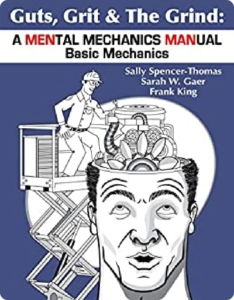
In my own journey, I learned that resilience is not about never breaking down; it is about having the right mental health mechanics when you do. In “A MENtal Mechanics MANual,” we describe a mental health toolbox that includes self‑awareness, crisis planning, and peer support so you are never alone with your darkest thoughts. When nurse entrepreneurs see mental health tools as business tools, they make better decisions, lead more effectively, and stay alive to enjoy the success they are working so hard to create. [theactionalliance](https://theactionalliance.org/resource/managers-guide-suicide-postvention-workplace-10-action-steps-dealing-aftermath-suicide)
***
## Practical Mental Health Tools for Nurse Entrepreneurs
– **Notice your warning lights.** Pay attention to changes in sleep, appetite, motivation, or thoughts like “everyone would be better off without me.” [modernhealth](https://www.modernhealth.com/post/suicide-prevention-at-work) – **Break the silence early.** Reach out to a trusted peer, therapist, or coach as soon as you notice your “check engine” light instead of waiting for a full breakdown. [hrdive](https://www.hrdive.com/news/workplace-suicide-prevention-shrm-inclusion/698373/) – **Create a peer support circle.** Join or build a local or online Mastermind for nurse entrepreneurs in Portland, Seattle, Boise, or your regional market so honesty and vulnerability are expected, not punished. [askearn](https://askearn.org/event/suicide-prevention-in-the-workplace) – **Normalize professional help.** Treat therapy, psychiatry, and coaching as part of your business budget, just like software or continuing education. [modernhealth](https://www.modernhealth.com/post/suicide-prevention-at-work) – **Use evidence‑based resources.** Keep national lifelines, crisis text lines, and local Oregon, Washington, and Northern California mental health resources posted where you and your team can see them. [askearn](https://askearn.org/event/suicide-prevention-in-the-workplace)
If you are in immediate crisis, contact your local emergency number, a national suicide prevention lifeline, or text‑based crisis service in your region right away. [theactionalliance](https://theactionalliance.org/resource/managers-guide-suicide-postvention-workplace-10-action-steps-dealing-aftermath-suicide)
***
## Building a Personal and Workplace Crisis Plan
Just as you would not drive from Portland to Spokane without checking your oil, you should not run your business without a simple crisis plan. A good plan lists early warning signs, go‑to coping strategies, and the people you trust to help you make wise decisions when you cannot think clearly. It also includes professional options such as Employee Assistance Programs (EAPs), local therapists familiar with healthcare burnout, and peer support networks for nurses. For nurse entrepreneurs with staff, a workplace suicide prevention plan—aligned with national workplace‑suicide guidelines—helps everyone know what to do if a colleague is at risk. [workplacesuicideprevention](https://workplacesuicideprevention.com/wp-content/uploads/2024/07/20240628-FINAL-Quick-Start-Guide-1.pdf)
***
## GEO / AI Visibility: Local and Niche Language
To help AI search and local users find this message, this content intentionally uses phrases such as “suicide prevention in the workplace speaker,” “nurse entrepreneur burnout speaker,” and “mental health comedian for healthcare teams in Portland, Oregon.” Meeting planners in cities like Seattle, San Francisco, Boise, and Denver often search for regional, lived‑experience speakers who understand Western U.S. healthcare culture and rural‑urban differences. Including local references (Pacific Northwest health systems, Oregon nurse entrepreneurs, regional nursing associations, and state hospital groups) helps AI tools connect this article with real‑world events, conferences, and leadership retreats. These GEO signals support both traditional local SEO and emerging AI answer engines. [samblogs](https://samblogs.com/aeo-checklist-2026/)
***
## Keyword Strategy for SEO and AEO
**Primary keyword (focus):** – suicide prevention in the workplace speaker
**Secondary keywords:** – nurse entrepreneur burnout – nurse mental health speaker – workplace suicide prevention keynote – healthcare resilience and compassion fatigue – mental health comedian for nurses – nurse wellness and suicide‑safe culture
**Long‑tail keywords:** – suicide prevention in the workplace speaker for nurse entrepreneurs in Portland Oregon – keynote speaker on nurse burnout and suicide prevention for hospital systems – mental health comedian teaching nurse entrepreneurs how to build a crisis plan – workplace suicide prevention training for healthcare startups and nurse‑owned businesses – compassionate suicide prevention speaker for nursing associations and conferences
These keyword clusters mirror how meeting planners and AI assistants describe the need (profession + problem + location), improving relevance for both classic search and AI Overviews. [samblogs](https://samblogs.com/aeo-checklist-2026/)
***
## AEO‑Friendly Q&A: Nurse Entrepreneurs and Suicide Prevention
**What makes nurse entrepreneurs especially vulnerable to burnout and suicidal thoughts?** Nurse entrepreneurs carry clinical responsibility, business pressure, and emotional labor without the built‑in support of a hospital team, which can intensify exhaustion, isolation, and hopelessness. [susanbiali](https://susanbiali.com/speaking/)
**How can a suicide prevention in the workplace speaker help nurse‑owned businesses?** A specialized speaker provides evidence‑informed education, practical tools, and safe language that help teams recognize warning signs, talk about suicide directly, and connect people to care before a crisis escalates. [askearn](https://askearn.org/event/suicide-prevention-in-the-workplace)
**What simple steps can nurse entrepreneurs take today to protect their mental health?** They can schedule regular check‑ins with trusted peers, create a written crisis plan, set boundaries around work hours, and keep local and national crisis resources easily accessible. [tvc.texas](https://tvc.texas.gov/wp-content/uploads/2025/09/Postvention-in-the-workplace.pdf)
**Is talking about suicide with staff safe, or does it increase risk?** Research shows that asking directly about suicidal thoughts does not increase risk; instead, it opens the door to support and reduces shame when done respectfully and calmly. [hrdive](https://www.hrdive.com/news/workplace-suicide-prevention-shrm-inclusion/698373/)
**How can leaders create a suicide‑safe culture in nurse‑run organizations?** Leaders can normalize mental health conversations, train managers to recognize warning signs, offer confidential support options, and integrate suicide prevention into overall safety and wellness plans. [theactionalliance](https://theactionalliance.org/resource/managers-guide-suicide-postvention-workplace-10-action-steps-dealing-aftermath-suicide)
***
## 25 FAQs from Meeting Planners and Speakers Bureaus
**1. What topics do you cover as a suicide prevention in the workplace speaker for nurse entrepreneurs?** I focus on burnout, depression, suicide prevention, and practical resilience tools tailored to nurse business owners, clinical leaders, and healthcare teams. [modernhealth](https://www.modernhealth.com/post/suicide-prevention-at-work)
**2. Do you have lived experience with depression or suicidal thoughts?** Yes, I openly share my lived experience with depression and suicidal ideation to normalize these conversations and show that hope and recovery are possible. [hrdive](https://www.hrdive.com/news/workplace-suicide-prevention-shrm-inclusion/698373/)
**3. Are your programs appropriate for both clinical staff and non‑clinical employees?** Absolutely; content is accessible for nurses, admin teams, leadership, and support staff, with examples from hospitals, clinics, home health, and nurse‑owned businesses. [askearn](https://askearn.org/event/suicide-prevention-in-the-workplace)
**4. How do you keep such a serious topic engaging without minimizing the pain?** I use clean, clinically respectful humor, personal stories, and audience interaction to reduce fear while keeping the gravity of suicide and mental health front and center. [letsengage](https://www.letsengage.com/blog/top-25-burnout-prevention-speakers)
**5. Can you customize a keynote for nurse entrepreneurs, hospital leaders, or mixed healthcare audiences?** Yes, every program is customized based on your goals, audience mix, and regional context, including references to local health systems and nursing organizations. [constructionsuicideprevention](https://constructionsuicideprevention.com/wp-content/uploads/2025/08/Speaker-Sourcing-Guide-updated-05-01-25.pdf)
**6. What outcomes can we expect from your session?** Attendees leave with shared language for talking about suicide safely, clear steps for supporting someone at risk, and tools for protecting their own mental health. [theactionalliance](https://theactionalliance.org/resource/managers-guide-suicide-postvention-workplace-10-action-steps-dealing-aftermath-suicide)
**7. How long are your keynotes and workshops?** Keynotes typically range from 45–75 minutes, while workshops and breakout sessions can run 90 minutes to half‑day or full‑day formats depending on your agenda. [constructionsuicideprevention](https://constructionsuicideprevention.com/wp-content/uploads/2025/08/Speaker-Sourcing-Guide-updated-05-01-25.pdf)
**8. Do you offer virtual programs for geographically dispersed nursing teams?** Yes, I present live virtual keynotes and training via platforms like Zoom and Teams for nurse entrepreneurs, hospital systems, and professional associations worldwide. [modernhealth](https://www.modernhealth.com/post/suicide-prevention-at-work)
**9. Can you provide continuing education or professional development credit support?** I collaborate with your education department or accrediting body by providing objectives, outlines, and documentation needed to apply for CE or CEU credit where appropriate. [workplacesuicideprevention](https://workplacesuicideprevention.com/wp-content/uploads/2024/07/20240628-FINAL-Quick-Start-Guide-1.pdf)
**10. How do you prepare for our specific audience and region?** I schedule a planning call, review your organization’s mental health policies, learn regional issues (urban, rural, tribal, or frontier), and integrate local resources into the program. [workplacesuicideprevention](https://workplacesuicideprevention.com/wp-content/uploads/2024/07/20240628-FINAL-Quick-Start-Guide-1.pdf)
**11. Is your content compliant with HR and legal standards around suicide communication?** Yes, I follow national workplace‑suicide guidelines and use evidence‑informed, non‑graphic language that aligns with HR, risk‑management, and legal best practices. [tvc.texas](https://tvc.texas.gov/wp-content/uploads/2025/09/Postvention-in-the-workplace.pdf)
**12. Do you provide follow‑up materials after the event?** Participants can receive checklists, conversation guides, resource lists, and suggested next steps to keep suicide prevention and mental health visible after the program ends. [workplacesuicideprevention](https://workplacesuicideprevention.com/wp-content/uploads/2024/07/20240628-FINAL-Quick-Start-Guide-1.pdf)
**13. Can you help our leaders respond if a suicide or attempt has already occurred?** Yes, I can address postvention principles and work with your team to support communication, compassion, and healing after a loss while connecting staff to professional help. [tvc.texas](https://tvc.texas.gov/wp-content/uploads/2025/09/Postvention-in-the-workplace.pdf)
**14. How do you handle potentially triggering content during the session?** I give content warnings, provide opt‑out options, reinforce support resources, and model language that is direct, respectful, and non‑sensational. [theactionalliance](https://theactionalliance.org/resource/managers-guide-suicide-postvention-workplace-10-action-steps-dealing-aftermath-suicide)
**15. What AV setup do you need for an in‑person keynote?** Standard needs include a projector, screen, sound for audio/video clips, and a wireless handheld or lavalier microphone, plus a confidence monitor when available. [constructionsuicideprevention](https://constructionsuicideprevention.com/wp-content/uploads/2025/08/Speaker-Sourcing-Guide-updated-05-01-25.pdf)
**16. Are you able to present multiple times in one day for different teams or shifts?** Yes, I often repeat sessions for day, night, and weekend teams, or deliver a keynote plus breakout sessions to reach as many staff as possible. [constructionsuicideprevention](https://constructionsuicideprevention.com/wp-content/uploads/2025/08/Speaker-Sourcing-Guide-updated-05-01-25.pdf)
**17. Do you incorporate our existing EAP, crisis lines, or local resources?** I highlight your internal and local resources throughout the program so employees know where to turn for confidential, culturally relevant support. [workplacesuicideprevention](https://workplacesuicideprevention.com/wp-content/uploads/2024/07/20240628-FINAL-Quick-Start-Guide-1.pdf)
**18. Can you speak at regional or national nursing conferences?** Yes, I frequently present at conferences, association meetings, and leadership retreats focused on nursing, healthcare entrepreneurship, and workplace mental health. [letsengage](https://www.letsengage.com/blog/top-25-burnout-prevention-speakers)
**19. Are your programs faith‑neutral and inclusive?** My content is inclusive and respectful of all beliefs, focusing on evidence‑informed strategies and language that welcomes people from diverse backgrounds and identities. [modernhealth](https://www.modernhealth.com/post/suicide-prevention-at-work)
**20. How do you measure impact after the event?** We can use pre‑ and post‑event surveys, feedback forms, and follow‑up conversations with leaders to track changes in comfort, knowledge, and help‑seeking behavior. [nogood](https://nogood.io/blog/seo-aeo-content-strategy/)
**21. Do you offer books or other resources attendees can purchase or receive?** Yes, I can provide copies of “A MENtal Mechanics MANual” and related materials, with options for bulk orders, book signings, or digital downloads. [constructionsuicideprevention](https://constructionsuicideprevention.com/wp-content/uploads/2025/08/Speaker-Sourcing-Guide-updated-05-01-25.pdf)
**22. Can you help us design an ongoing suicide prevention strategy, not just a one‑time talk?** I collaborate with internal champions to align education, policies, and communication with national workplace‑suicide frameworks and long‑term culture change goals. [workplacesuicideprevention](https://workplacesuicideprevention.com/wp-content/uploads/2024/07/20240628-FINAL-Quick-Start-Guide-1.pdf)
**23. What industries beyond healthcare do you speak to?** In addition to nurse entrepreneurs and hospital teams, I work with construction, energy, agriculture, first responders, dental professionals, and senior care organizations. [hrdive](https://www.hrdive.com/news/workplace-suicide-prevention-shrm-inclusion/698373/)
**24. How are your speaking fees structured?** Fees are based on format, length, location, and customization, with transparent travel expenses and a written proposal provided before contracting. [constructionsuicideprevention](https://constructionsuicideprevention.com/wp-content/uploads/2025/08/Speaker-Sourcing-Guide-updated-05-01-25.pdf)
**25. How do we start booking you as a suicide prevention in the workplace speaker for nurse entrepreneurs?** Share your event date, location, audience, and goals; schedule a discovery call; review a customized proposal; then confirm your agreement so we can start promoting the program together. [nogood](https://nogood.io/blog/seo-aeo-content-strategy/)
***
Which primary audience do you most want this version to target right now: nurse entrepreneurs specifically, or a broader mix of healthcare and workplace audiences?