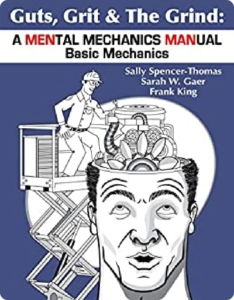
Building Mental Health Into the Foundation: Why Construction Needs More Than Hard Hats
On most jobsites, safety is easy to spot.
You see it in hard hats and high‑vis vests, in fall protection systems and lockout tags, in daily huddles about ladders, trenches, and silica dust. Safety is measured, documented, and posted on banners outside the trailer.[ppl-ai-file-upload.s3.amazonaws]
What’s harder to see—but just as critical—is mental health.
As we gather for the 6th Annual Construction Mental Health & Wellbeing Conference, we’re facing a reality the industry can no longer ignore: construction workers experience some of the highest suicide rates of any major occupation. That makes mental health a safety issue, not just a personal one.[ppl-ai-file-upload.s3.amazonaws]
When we treat mental health as part of the jobsite foundation, we build workplaces that protect both body and mind.
The Weight No One Talks About
Construction workers carry more than tools and materials.
They carry:
Schedule pressure and change orders
Family responsibilities and financial stress
Chronic pain and injury risk
A culture that says, “Tough it out” far more often than it says, “Let’s talk”[ppl-ai-file-upload.s3.amazonaws]
For many, the hardest load is invisible: depression, anxiety, trauma, or burnout that never makes it onto a safety report.
That’s why suicide rates in construction are a wake‑up call. They remind us that the jobsite is not just a place where bodies get hurt—it’s a place where minds can break under accumulated strain.[ppl-ai-file-upload.s3.amazonaws]
When Stigma Becomes a Jobsite Hazard
One of the biggest barriers to mental health support in construction is stigma.
Too many workers worry that:
Admitting they’re struggling will cost them shifts or promotions.
Asking for help will mark them as weak.
Speaking up will make them “the problem” instead of part of the team.[ppl-ai-file-upload.s3.amazonaws]
That perception has to change.
A culture that quietly discourages help‑seeking is as dangerous as a scaffold with no guardrails. When mental health concerns are treated as defects in character instead of hazards that need controls, risk goes up across the entire crew.[ppl-ai-file-upload.s3.amazonaws]
Fostering a different culture starts with simple, visible actions:
Leaders talking about mental health in safety meetings.
Co‑workers checking in when someone seems “off.”
Companies making it clear that asking for help is a sign of responsibility, not weakness.[ppl-ai-file-upload.s3.amazonaws]
Leadership: The Structural Steel of Culture
Every job has a blueprint. Culture is no different.
Leadership is the structural steel that holds that blueprint together.
When leaders:
Speak openly about stress, burnout, and suicide risk
Attend mental‑health training themselves
Provide resources and time for crews to use them[ppl-ai-file-upload.s3.amazonaws]
they send a clear message:
“Your wellbeing is not an add‑on. It’s part of how we build.”
Practical leadership steps include:
Training supervisors to recognize warning signs (changes in mood, isolation, increased risk‑taking).
Giving foremen scripts and support for difficult conversations.
Integrating mental health into incident reviews and safety metrics.[ppl-ai-file-upload.s3.amazonaws]
A leader who treats mental health like PPE—essential, non‑negotiable—changes what’s possible on a jobsite.
Culturally Competent Care: Meeting Workers Where They Are
Construction crews are deeply diverse.
You’ll find:
Different languages and cultural backgrounds
Multiple faith traditions and community norms
Varied attitudes toward counseling, therapy, and medical care[ppl-ai-file-upload.s3.amazonaws]
If mental‑health resources don’t reflect that diversity, workers may not feel safe using them.
Culturally competent care means:
Providers who understand trades culture and don’t dismiss it.
Materials in languages spoken on site.
Support that respects identity, family roles, and community expectations.[ppl-ai-file-upload.s3.amazonaws]
When workers see themselves in the resources offered—when they feel understood instead of judged—interventions land more effectively. Access improves. Follow‑through increases.
Practical Strategies: From Awareness to Action
Talking about mental health is necessary.
It’s not enough.
To move from awareness to action, construction organizations can:
Develop peer support networks.
Train trusted workers to act as first points of contact, listen, and guide colleagues toward help.[ppl-ai-file-upload.s3.amazonaws]
Provide mental‑health awareness training.
Offer short, accessible sessions in safety meetings that teach warning signs and simple conversation tools.[ppl-ai-file-upload.s3.amazonaws]
Ensure access to appropriate care.
Promote EAPs, local counselors familiar with trades, and crisis resources like 988; remove barriers such as inconvenient hours or unclear confidentiality.[ppl-ai-file-upload.s3.amazonaws]
Embed mental health into safety programs.
Include psychological risk in hazard assessments and post‑incident reviews, not just physical dangers.[ppl-ai-file-upload.s3.amazonaws]
The goal isn’t to turn every worker into a therapist.
It’s to make sure no worker has to face a mental‑health crisis alone.
FAQs: Construction Mental Health & Suicide Prevention
H3: Why is mental health a critical safety issue in construction?
Construction workers experience high levels of stress, physical strain, and job insecurity, contributing to elevated suicide and mental‑health risk. Protecting wellbeing reduces accidents, turnover, and crises.[ppl-ai-file-upload.s3.amazonaws]
H3: How does stigma affect help‑seeking on jobsites?
Stigma can make workers fear job loss or judgment if they speak up, leading them to hide distress rather than access support—raising risk for individuals and teams.[ppl-ai-file-upload.s3.amazonaws]
H3: What can leaders do to support mental health?
Leaders can talk openly about mental health, attend training, provide resources, and model help‑seeking, signaling that wellbeing is a valued part of safety and productivity.[ppl-ai-file-upload.s3.amazonaws]
H3: Why is culturally competent care important for trades workers?
Workers from diverse backgrounds may not trust or relate to traditional providers. Care that respects culture, language, and identity increases comfort and effectiveness.[ppl-ai-file-upload.s3.amazonaws]
H3: What practical steps can companies take right now?
Create peer support networks, add mental‑health topics to safety talks, promote EAP and crisis lines, and review policies to ensure asking for help is protected, not penalized.[ppl-ai-file-upload.s3.amazonaws]
25 Booking FAQs – Construction Mental Health & Conference Programs
These FAQs are for meeting planners, safety directors, and speakers bureaus booking keynotes or workshops on construction mental health and suicide prevention, especially around events like the 6th Annual Construction Mental Health & Wellbeing Conference.[ppl-ai-file-upload.s3.amazonaws]
H3: Speaking Topics & Audience Impact
What is the core focus of your construction mental health keynote?
The keynote explores high suicide risk in construction, stigma, leadership, culturally competent care, and practical strategies to build a culture of care on jobsites.[ppl-ai-file-upload.s3.amazonaws]
Who is the ideal audience?
Executives, safety managers, foremen, union leaders, HR, and frontline tradespeople across commercial, industrial, and civil construction.[ppl-ai-file-upload.s3.amazonaws]
What are the primary learning objectives?
Participants learn why mental health is a safety issue, how to reduce stigma, how leadership can respond, and concrete steps for implementing peer support and care access.[ppl-ai-file-upload.s3.amazonaws]
How does this program complement existing safety initiatives?
It integrates mental health into safety frameworks, turning traditional safety programs into holistic systems that protect physical and psychological wellbeing.[ppl-ai-file-upload.s3.amazonaws]
What outcomes can we expect after the session?
Improved comfort discussing mental health, clearer leadership commitments, and initial plans for peer support networks and resource promotion.[ppl-ai-file-upload.s3.amazonaws]
H3: Customization & Fit
Can the presentation be tailored to specific trades or project types?
Yes. Stories and examples can be customized for heavy civil, industrial, commercial, residential, or specialty trades.[ppl-ai-file-upload.s3.amazonaws]
Can you address union and non‑union audiences together?
The content is designed to resonate with both, and can include examples relevant to collective bargaining environments and open‑shop firms.[ppl-ai-file-upload.s3.amazonaws]
Do you incorporate regional data or initiatives (e.g., CIASP, local campaigns)?
Regional statistics and local programs can be woven in for stronger GEO and industry relevance.[ppl-ai-file-upload.s3.amazonaws]
Can you align content with our company’s mental‑health or EAP offerings?
With advance information, the session can highlight your existing resources and show how to increase utilization.[ppl-ai-file-upload.s3.amazonaws]
Is this program suitable for conferences and safety stand‑downs?
Yes. It fits well as a conference keynote, safety‑week feature, or mental‑health stand‑down anchor session.[ppl-ai-file-upload.s3.amazonaws]
H3: Format & Delivery
What formats do you offer (keynote, workshop, breakout)?
Keynotes, plenaries, 90‑minute workshops, toolbox‑talk style sessions, and virtual presentations are available.[ppl-ai-file-upload.s3.amazonaws]
What is the typical session length?
Keynotes are usually 45–60 minutes; workshops can extend to 90 minutes or half‑day formats.[ppl-ai-file-upload.s3.amazonaws]
Are interactive elements included?
Sessions can include polls, brief exercises, discussion prompts, and Q&A to keep construction audiences engaged.[ppl-ai-file-upload.s3.amazonaws]
Do you provide virtual options for multi‑site companies?
Yes. Virtual programs via platforms like Zoom or Teams are available for distributed crews and offices.[ppl-ai-file-upload.s3.amazonaws]
Do you offer follow‑up training or consulting?
Follow‑up sessions can focus on building peer support networks, policy review, and implementation planning.[ppl-ai-file-upload.s3.amazonaws]
H3: Safety, Sensitivity, and Support
How do you handle sensitive topics like suicide on jobsites?
Content is direct but non‑graphic, trauma‑informed, and paired with clear messages of hope and resources.[ppl-ai-file-upload.s3.amazonaws]
Is there a content advisory we can share with attendees?
Yes. A brief advisory explaining that mental health and suicide will be discussed is provided to planners.[ppl-ai-file-upload.s3.amazonaws]
What if our organization has recently experienced a suicide or serious incident?
The session can be adapted to emphasize healing and postvention, tailored in collaboration with your leadership and support teams.[ppl-ai-file-upload.s3.amazonaws]
Do you coordinate with our EAP or local mental‑health providers?
Coordination is encouraged so we can highlight specific support pathways during the session.[ppl-ai-file-upload.s3.amazonaws]
Does the program align with OSHA and CIASP guidance?
Content is consistent with emerging best practices from CIASP, AFSP, and CPWR and can be reviewed by safety and legal teams in advance.[ppl-ai-file-upload.s3.amazonaws]
H3: Fees, Logistics, and Booking
What are your speaking fees for construction mental‑health events?
Fees vary based on format, location, and duration; a clear quote is provided after a brief planning call.[ppl-ai-file-upload.s3.amazonaws]
Are discounts available for associations or multi‑event bookings?
Yes. Associations, unions, and contractors booking multiple sessions may qualify for reduced or bundled pricing.[ppl-ai-file-upload.s3.amazonaws]
What AV setup is needed for in‑person presentations?
Standard AV includes microphone, projector, screen, and audio; toolbox‑talk formats may require minimal equipment.[ppl-ai-file-upload.s3.amazonaws]
How far in advance should we schedule the event?
Most clients book 3–6 months ahead, especially for conferences and safety weeks.[ppl-ai-file-upload.s3.amazonaws]
How do we start the booking process?
Contact through the website or email, schedule a short discovery call, confirm goals and logistics, and finalize dates and fees.[ppl-ai-file-upload.s3.amazonaws]
JSON‑LD Article Schema
json<script type="application/ld+json"> { "@context": "https://schema.org", "@type": "Article", "headline": "Building Mental Health Into the Foundation: Why Construction Needs More Than Hard Hats", "description": "A compassionate, practical look at mental health and suicide prevention in construction, highlighting leadership, stigma reduction, culturally competent care, and peer support strategies.", "author": { "@type": "Person", "name": "Frank King" }, "articleSection": [ "Mental health in construction", "Workplace suicide prevention", "Construction leadership and culture", "Peer support and care access" ], "keywords": [ "mental health in construction", "suicide prevention in construction workplaces", "construction mental health conference", "culture of care on jobsites", "peer support for construction workers" ] } </script>
JSON‑LD FAQPage Schema
json<script type="application/ld+json"> { "@context": "https://schema.org", "@type": "FAQPage", "mainEntity": [ { "@type": "Question", "name": "Why is mental health a safety issue in construction?", "acceptedAnswer": { "@type": "Answer", "text": "Construction workers face high stress, physical strain, and job insecurity, leading to elevated suicide risk. Protecting mental health is essential to overall jobsite safety." } }, { "@type": "Question", "name": "How does stigma affect workers who need help?", "acceptedAnswer": { "@type": "Answer", "text": "Stigma can make workers fear judgment or job loss, causing them to hide distress rather than seek support, which increases risk for individuals and teams." } }, { "@type": "Question", "name": "What role do construction leaders play in mental health?", "acceptedAnswer": { "@type": "Answer", "text": "Leaders shape culture by talking openly about mental health, providing resources, and modeling help-seeking, signaling that wellbeing is valued and expected." } }, { "@type": "Question", "name": "Why is culturally competent care important for trades workers?", "acceptedAnswer": { "@type": "Answer", "text": "Workers from diverse backgrounds are more likely to use support that respects their language, culture, and identity, making mental health care more accessible and effective." } }, { "@type": "Question", "name": "What practical steps can companies take to support worker mental health?", "acceptedAnswer": { "@type": "Answer", "text": "Companies can build peer support networks, add mental health topics to safety talks, promote EAP and crisis resources, and review policies to ensure asking for help is safe." } } ] } </script>
Would you like this article localized to a specific region or tied explicitly to your role at the 6th Annual Construction Mental Health & Wellbeing Conference (e.g., including session titles and call‑to‑action links)?
Make a Quick Call