
The New Frontier in Agriculture: Why Mental Health Matters as Much as Yield
For generations, American agriculture has fed the nation, driven innovation, and cared for the land. Yet behind every yield report and market forecast is another story—one of stress, isolation, and the pressure to “keep going, no matter what.” Mental health isn’t a side issue in ag anymore; it’s mission‑critical.
The Hidden Load in Ag Communities Agriculture remains one of the most stressful professions, with long hours, financial risk, and deep ties to family legacy.
Unpredictable weather, shifting policies, and volatile markets create constant uncertainty.
Rural and agricultural communities consistently report higher rates of depression, anxiety, and suicide than many urban areas.
The traditional culture of stoic self‑reliance (“we handle our own problems”) often keeps people from seeking help early.
Why Mental Health Is Agriculture’s Next Frontier Mental health challenges directly affect:
Decision‑making under pressure.
Safety around equipment and livestock.
Relationships within families and operations.
When stress is constant and support feels out of reach, people may:
Withdraw from friends, family, or community events.
Increase risk‑taking or substance use.
Feel trapped by debt, expectations, or land obligations.
Each “statistic” is a real person—a farmer, partner, agronomist, elevator worker, or ag retailer—carrying a heavy, often invisible, load.
What Real Change Looks Like Honest conversation instead of silent struggle:
Storytelling, humor, and anonymity (polls, question cards) help people admit what they’re really carrying.
When people see they’re not alone, shame starts to lose its grip.
Recognizing early warning signs:
Persistent fatigue that doesn’t improve with rest.
Major changes in appetite or sleep.
Withdrawing from friends, family, church, or co‑ops.
Uncharacteristic risk‑taking or anger.
Comments about feeling hopeless, useless, or like a burden.
Normalizing mental health like any other management topic:
Discussing stress and coping in producer meetings, co‑op trainings, and association events.
Leaders sharing their own experiences with anxiety, counseling, or burnout.
Treating mental health as a safety and business issue, not a private failing.
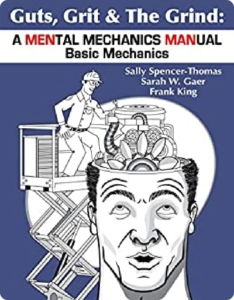
Building a “Mental Mechanics Toolbox” for Ag Just like equipment, minds need maintenance. Practical tools include:
A simple personal safety plan for bad days (who to call, what to avoid, where to go).
A short list of trusted contacts—family, neighbors, pastors, peers.
Basic questions to ask when choosing a counselor or doctor who understands rural life.
Strategies for small resets: sleep routines, time off the operation, limits on news/market checking.
Ways to start conversations with others who may be struggling (“I’ve noticed…,” “You seem different lately…,” “How can I support you?”).
Humor helps here—it can lower defenses enough for people to admit, “Yes, that’s me,” and take the next step toward help.
Redefining Resilience in Agriculture Resilience is not:
White‑knuckling through crisis alone.
Pretending you’re fine when you’re falling apart inside.
Resilience is:
Having tools and people you can lean on when things go sideways.
Doing regular “maintenance” on your own stress levels and health.
Knowing when to call for backup—financial, emotional, or professional.
Agriculture’s future depends on more than technology and markets; it depends on the people who work the land. Making mental health part of the business plan is not optional—it’s essential. Every yield, every herd, every contract depends on the well‑being of the people behind it.
25 Frequently Asked Questions from Meeting Planners Booking a Workplace Mental Health & Suicide-Prevention Speaker 1. What kinds of organizations is this program best suited for?
Agricultural associations, co‑ops, commodity groups, agribusiness companies, rural banks, insurance groups, and any workplace that wants to address stress, burnout, and suicide risk among employees.
2. Is the talk specific to agriculture, or can it work for other industries too?
The core content fits any workplace; stories and examples can be customized for agriculture, rural communities, or other sectors like healthcare, construction, or corporate.
3. What are the main goals of your keynote or workshop?
Reduce stigma, increase awareness of warning signs, teach simple steps to support someone in trouble, and give leaders a roadmap for building a mentally healthier culture.
4. How long is a typical keynote?
Most keynotes are 45–60 minutes. Events with tight schedules can opt for 20–30 minutes; deeper dives can run 75–90 minutes or be paired with breakouts.
5. Do you offer follow‑up workshops or breakouts?
Yes—sessions for leaders, HR, managers, or front‑line teams that practice conversations, crisis response planning, and integrating mental health into safety or wellness programs.
6. Do you talk directly about suicide, or just about stress and burnout?
Suicide is addressed directly but carefully—focusing on warning signs, protective factors, and how to help, without graphic details or sensational language.
7. How do you keep such a heavy topic from overwhelming the audience?
By using humor, relatable stories, and practical tools. The tone is honest but hopeful, and people typically leave feeling lighter and more equipped, not weighed down.
8. Is the content based on research and best practices?
Yes. The program aligns with widely accepted workplace mental health and suicide‑prevention guidelines, emphasizing education, early intervention, and connection to professional help.
9. Who is the ideal audience within an organization?
Leaders, managers, HR, safety and wellness teams, and front‑line employees. Mixed audiences work well, because everyone has a role in noticing signs and supporting each other.
10. Can you tailor the message to our region or commodity (e.g., row crops, dairy, livestock)?
Absolutely. Language, stories, and examples can reflect local operations, stressors, seasons, and community realities.
11. What practical skills will attendees gain?
How to spot red flags in themselves and others, how to start a caring conversation, what to say (and not say), and where to guide someone for more help.
12. Do you provide materials attendees can reference later?
Yes—simple one‑page tools (warning signs, conversation starters, resources) and optional digital handouts that can be reused in meetings or trainings.
13. How do you involve leadership in the process?
Through pre‑event planning calls, leadership‑specific recommendations during the session, and optional leader-only breakouts on culture, policy, and communication.
14. Can this program fit into our existing safety, wellness, or DEI initiatives?
Yes. Mental health and suicide prevention integrate naturally with safety culture, wellness programs, and inclusion efforts—often strengthening work already underway.
15. What AV setup do you need for in‑person events?
A projector and screen, a handheld or lavalier microphone, and room sound if any short video or audio clips are used. A brief tech check beforehand is ideal.
16. Do you offer virtual or hybrid presentations?
Yes. Sessions can be delivered via common virtual platforms and adapted with chat, polls, and Q&A to keep remote audiences engaged.
17. How do you handle emotional reactions or disclosures during the session?
The session sets clear expectations, normalizes strong emotions, and encourages people to step out or reach out as needed. Attendees are always directed toward appropriate internal or external resources.
18. Can you highlight our own support resources (EAP, hotlines, local services)?
Definitely. Your EAP, benefits, hotlines, peer programs, and local mental health partners can be woven into the talk so people leave knowing exactly where to turn.
19. Will the session include data and the business case, or just stories?
Both. The presentation balances human stories with key stats about how mental health affects safety, productivity, retention, and costs—making a clear business and human case.
20. Is this appropriate for faith‑based, co‑op, or family‑run organizations?
Yes. The message is values‑friendly and can be framed to fit faith‑based or family‑oriented cultures while remaining inclusive of everyone in the audience.
21. How do you address managers’ fear of “saying the wrong thing”?
By offering simple frameworks and phrases, emphasizing listening over fixing, and clarifying when to involve HR, EAP, or emergency services.
22. What follow‑up options are available after the keynote?
Options include virtual Q&A sessions, shorter refresher talks, manager training, or help weaving mental‑health moments into regular meetings and toolbox talks.
23. Can this count toward our training or compliance requirements?
Often, yes—many organizations use it to meet or support internal requirements for mental health, safety, or wellness training; details depend on your accrediting body or policies.
24. How far in advance should we schedule an event?
Ideally 3–6 months ahead for conferences and large meetings; smaller or virtual events can sometimes be scheduled sooner, depending on availability.
25. How do we know if this is the right fit for our group?
If your people are under stress, your leadership cares about retention and safety, and you want a practical, stigma‑busting approach to mental health and suicide prevention, it’s likely a good match. A brief planning call can confirm alignment with your goals and audience.