
**Meta Description (≤160 characters)** Veterinary teams face extreme burnout and suicide risk. Learn practical, stigma‑free tools and peer support strategies to protect mental health in vet medicine. [co](https://www.co.vet/post/veterinary-burnout-statistics)
***
## Why Mental Health Must Be a Core Priority in Veterinary Medicine
Veterinary professionals are healers, yet many quietly struggle with burnout, compassion fatigue, and suicidal thoughts. Studies show veterinarians are several times more likely to die by suicide than the general population, with high rates of depression, anxiety, and serious psychological distress across the field. This crisis is driven by long hours, intense emotional labor, financial pressure, and the unique burden of euthanasia and difficult medical decisions. [kunc](https://www.kunc.org/news/2025-05-01/veterinarians-face-massive-mental-health-crisis)
The culture of veterinary medicine often celebrates resilience and self‑sacrifice, but stoicism can become a double‑edged sword. Many vets and technicians feel they must carry the emotional weight of hard cases alone, while front‑desk staff and managers absorb client stress and online harassment with little formal support. When people believe they must stay silent, problems escalate in isolation instead of being addressed early with care. [mindsitenews](https://mindsitenews.org/2025/08/21/veterinarians-suicide-unusually-high-rate/)
***
## Stories from the Break Room: The Human Cost
The emotional complexity of veterinary work is not just in the medical cases—it is in the culture and expectations. Professionals describe replaying difficult cases for years, quietly wondering whether anyone would notice if they reached a breaking point. Many report that mental‑health education was barely mentioned in training, even as they entered one of the highest‑risk professions for suicide. [sciencedirect](https://www.sciencedirect.com/science/article/pii/S0165178126000077)
Yet there is hope in the stories of people who have walked to the edge and come back. Some veterinary professionals learn, often the hard way, that asking for help is not weakness but wisdom, and that recovery happens in community, not isolation. Peer‑support programs, NOMV communities, and workplace wellness initiatives show that when people talk openly and support each other, distress can decrease and connection can grow. [intheforefront](https://intheforefront.org/preventing-suicide-in-veterinary-professionals/)
***
## What Veterinary Teams Can Do Now
Mental health will not become a priority by accident; it requires intentional, practical changes. [indevets](https://indevets.com/blog/a-collective-responsibility-preventing-suicide-and-elevating-veterinary-mental-wellbeing/)
– **Normalize conversation.** Include mental‑health check‑ins and resource reminders in staff meetings and hospital communications, not just once a year. [avma](https://www.avma.org/news/veterinary-profession-heading-right-direction-mental-health) – **Build peer support.** Create buddy systems, debriefs after difficult cases, and NOMV‑style peer groups so no one carries heavy stories alone. [vinfoundation](https://vinfoundation.org/resources/colleagues-crisis-suicide-awareness-mental-wellbeing-ce/) – **Develop crisis protocols.** Every practice should have a clear plan for what to do if someone appears at risk, including who to call, how to respond, and how to access local and national crisis services. [intheforefront](https://intheforefront.org/preventing-suicide-in-veterinary-professionals/) – **Treat self‑care as maintenance, not indulgence.** Habits like regular movement, sleep, gratitude practices, time with pets, and scheduled connection with supportive colleagues act as preventive maintenance for the mind. [co](https://www.co.vet/post/veterinary-burnout-statistics) – **Address system stressors where possible.** Review scheduling, staffing, client communication policies, and online review responses to reduce avoidable strain on staff. [bvajournals.onlinelibrary.wiley](https://bvajournals.onlinelibrary.wiley.com/doi/full/10.1002/vetr.4960)
Everyone in the hospital—from reception to surgery—deserves to feel seen, heard, and valued. Veterinary medicine is a calling, but it should not require sacrificing your life or long‑term health. [avma](https://www.avma.org/news/veterinary-profession-heading-right-direction-mental-health)
***
## Keyword Strategy (SEO + AEO)
**Primary keyword** – suicide prevention in the workplace speaker for veterinary medicine [vinfoundation](https://vinfoundation.org/resources/colleagues-crisis-suicide-awareness-mental-wellbeing-ce/)
**Secondary keywords** – veterinary mental health and suicide prevention – veterinarian burnout and compassion fatigue statistics – veterinary wellness and psychological safety speaker – workplace mental health training for animal hospitals – Not One More Vet and NOMV resources [kunc](https://www.kunc.org/news/2025-05-01/veterinarians-face-massive-mental-health-crisis)
**Long‑tail keywords**
– suicide prevention in the workplace speaker for veterinary professionals at state veterinary conferences – mental health and burnout keynote for veterinary teams in Illinois and the Midwest – how veterinary clinics can reduce suicide risk and support mental wellbeing – peer support and crisis response training for veterinary technicians and staff – veterinary suicide prevention speaker using humor and lived experience with depression [indevets](https://indevets.com/blog/a-collective-responsibility-preventing-suicide-and-elevating-veterinary-mental-wellbeing/)
Use these phrases in headlines, introductory paragraphs, image alt text, and internal links to improve traditional SEO and AI answer‑engine visibility. [stackmatix](https://www.stackmatix.com/blog/best-aeo-tools-reviews)
***
## GEO / AI Search Visibility Enhancements
To strengthen GEO and AI search performance, weave concrete location and organizational details into the article and metadata. [custom](https://custom.legal/law-firm-seo-that-works/answer-engine-optimization/)
– Name target regions: “veterinary professionals across Illinois and the Midwest,” “small‑animal clinics in Chicago, Springfield, Peoria, and the Quad Cities,” or “Midwest veterinary teams from Indiana to Iowa.” [frontiersin](https://www.frontiersin.org/journals/veterinary-science/articles/10.3389/fvets.2025.1634139/full) – Reference organizations: “ISVMA, AVMA, Not One More Vet (NOMV), VIN Foundation, and local veterinary medical associations.” [nomv](https://nomv.org) – Add a resource box: 988 Suicide & Crisis Lifeline, Crisis Text Line, NOMV resources, AVMA mental‑health tools, and any state‑specific hotlines. [nomv](https://nomv.org) – Use AI‑friendly phrases: “veterinary suicide prevention keynote speaker for ISVMA,” “Midwest veterinary mental health speaker,” “how to build a suicide‑safe veterinary clinic in Illinois.” [stackmatix](https://www.stackmatix.com/blog/best-aeo-tools-reviews)
These signals help AI systems understand who the content is for and where it applies, improving chances of being cited in AI overviews and answer boxes. [custom](https://custom.legal/law-firm-seo-that-works/answer-engine-optimization/)
***
## AEO‑Friendly FAQ for Veterinary Mental Health & Booking
**1. Why are veterinarians at higher risk for suicide than the general population?** Multiple studies show veterinarians are 2–3.5 times more likely to die by suicide than the general public, due to factors like emotional strain, access to euthanasia drugs, debt, and perfectionism. [sciencedirect](https://www.sciencedirect.com/science/article/pii/S0165178126000077)
**2. How common are burnout and mental‑health challenges in veterinary medicine?** Recent wellbeing studies report that around 30–40 percent of veterinarians experience high burnout, many report serious psychological distress, and a significant proportion have considered suicide at some point. [frontiersin](https://www.frontiersin.org/journals/veterinary-science/articles/10.3389/fvets.2025.1634139/full)
**3. What are key warning signs that a veterinary professional may be struggling?** Warning signs include irritability, emotional numbness, withdrawal from colleagues, increased errors, changes in sleep or substance use, and comments about feeling hopeless, trapped, or like a burden. [indevets](https://indevets.com/blog/a-collective-responsibility-preventing-suicide-and-elevating-veterinary-mental-wellbeing/)
**4. Does talking about suicide with staff increase the risk?** Evidence from suicide‑prevention research shows that asking direct, compassionate questions about suicidal thoughts does not increase risk and can actually reduce shame and encourage help‑seeking. [intheforefront](https://intheforefront.org/preventing-suicide-in-veterinary-professionals/)
**5. What simple steps can clinics take to support mental health right away?** Clinics can share resources, schedule regular check‑ins, normalize therapy and time off, create debriefs after difficult cases, and ensure staff know exactly how to access crisis support. [indevets](https://indevets.com/blog/a-collective-responsibility-preventing-suicide-and-elevating-veterinary-mental-wellbeing/)
**6. Why bring in a suicide prevention in the workplace speaker for veterinary teams?** A speaker who understands veterinary culture can combine research, lived experience, and practical tools to break stigma, teach conversation skills, and give teams a shared language for supporting each other. [intheforefront](https://intheforefront.org/preventing-suicide-in-veterinary-professionals/)
**7. Can these programs be tailored to specific audiences like ER, specialty, or shelter medicine?** Yes; examples, tools, and scenarios can be adapted for small‑animal, large‑animal, emergency, specialty, shelter, and corporate practice settings. [co](https://www.co.vet/post/veterinary-burnout-statistics)
**8. Do talks cover technicians, assistants, and front‑desk staff as well as veterinarians?** Absolutely; all roles experience stress and deserve support, so content is designed to be accessible and relevant for the entire hospital team. [bvajournals.onlinelibrary.wiley](https://bvajournals.onlinelibrary.wiley.com/doi/full/10.1002/vetr.4960)
**9. Are there veterinary‑specific suicide prevention resources we can share?** Yes; NOMV, AVMA wellbeing programs, VIN Foundation courses, and state veterinary associations all provide tailored resources and training. [avma](https://www.avma.org/news/veterinary-profession-heading-right-direction-mental-health)
**10. Can sessions qualify for CE credit?** Many associations approve mental‑health and suicide‑prevention sessions for CE or professional‑development credit; materials can be aligned with those requirements. [vinfoundation](https://vinfoundation.org/resources/colleagues-crisis-suicide-awareness-mental-wellbeing-ce/)
**11. How long is a typical keynote or workshop for veterinary conferences?** Keynotes usually run 45–60 minutes, with optional 60–90‑minute workshops or breakout sessions for deeper practice and Q&A. [intheforefront](https://intheforefront.org/preventing-suicide-in-veterinary-professionals/)
**12. Do you offer virtual programs for dispersed clinics or corporate groups?** Yes; live virtual sessions make it easy for multi‑hospital groups and corporate networks to participate from different locations. [indevets](https://indevets.com/blog/a-collective-responsibility-preventing-suicide-and-elevating-veterinary-mental-wellbeing/)
**13. How do you ensure the message is non‑stigmatizing and safe?** Talks follow evidence‑based safe‑messaging guidelines, avoid graphic details, emphasize hope and recovery, and repeatedly direct attendees to appropriate resources. [vinfoundation](https://vinfoundation.org/resources/colleagues-crisis-suicide-awareness-mental-wellbeing-ce/)
**14. What outcomes can veterinary associations expect after hosting this program?** Common outcomes include reduced stigma, increased awareness of resources, more peer check‑ins, and leaders integrating mental health into strategic planning. [avma](https://www.avma.org/news/veterinary-profession-heading-right-direction-mental-health)
**15. Can you work with leadership on longer‑term culture change?** Yes; follow‑up coaching, series programming, and policy discussions can help embed mental health into hiring, scheduling, and communication practices. [indevets](https://indevets.com/blog/a-collective-responsibility-preventing-suicide-and-elevating-veterinary-mental-wellbeing/)
**16. Do you address lethal‑means safety related to euthanasia drugs?** When appropriate, sessions can include discussion of safe storage and access practices to reduce suicide risk while maintaining clinical care standards. [sciencedirect](https://www.sciencedirect.com/science/article/pii/S0165178126000077)
**17. Is your approach appropriate for international veterinary audiences?** Core principles apply globally, and examples can be adjusted for different countries’ systems, regulations, and cultural norms. [frontiersin](https://www.frontiersin.org/journals/veterinary-science/articles/10.3389/fvets.2025.1634139/full)
**18. How do you incorporate humor without minimizing pain?** Humor is used carefully to break tension and build connection, never to mock or trivialize suffering; it opens the door for honest, serious conversation. [indevets](https://indevets.com/blog/a-collective-responsibility-preventing-suicide-and-elevating-veterinary-mental-wellbeing/)
**19. What information do you need to customize a session for our group?** Helpful details include audience mix, key stressors, recent losses or crises, existing wellness efforts, and goals for impact and follow‑up. [intheforefront](https://intheforefront.org/preventing-suicide-in-veterinary-professionals/)
**20. Can you speak to students and interns as well as practicing professionals?** Yes; talks can be tailored for veterinary students, interns, and residents to help them develop healthy habits early in their careers. [bvajournals.onlinelibrary.wiley](https://bvajournals.onlinelibrary.wiley.com/doi/full/10.1002/vetr.4960)
**21. How are your fees structured for associations and corporate groups?** Fees are based on format (in‑person or virtual), length, location, and add‑ons like workshops or consulting, with a transparent written proposal. [stackmatix](https://www.stackmatix.com/blog/best-aeo-tools-reviews)
**22. How far in advance should we book a suicide‑prevention speaker?** State conferences often book 6–12 months ahead; hospital‑level or virtual sessions can sometimes be scheduled sooner, depending on availability. [intheforefront](https://intheforefront.org/preventing-suicide-in-veterinary-professionals/)
**23. Do you collaborate with NOMV, AVMA, or other partners when possible?** Programs can be aligned with NOMV and AVMA initiatives, making it easier for teams to plug into existing resources and certification efforts. [nomv](https://nomv.org)
**24. Do you work with other high‑risk professions besides veterinary medicine?** Yes; similar programs are delivered to healthcare, construction, agriculture, first responders, and legal professionals, bringing cross‑industry lessons back to veterinary audiences. [perplexity](https://www.perplexity.ai/search/9db02164-40d9-4504-8596-0c934a8a2bdf)
**25. How do we start booking you as a suicide prevention in the workplace speaker for veterinary professionals?** Share your event date, location, and audience; schedule a brief discovery call; review a customized proposal; then confirm the agreement so we can begin promoting your program. [custom](https://custom.legal/law-firm-seo-that-works/answer-engine-optimization/)
***
## Example JSON‑LD Schema (Article + FAQ)
You can paste and customize this in your page `
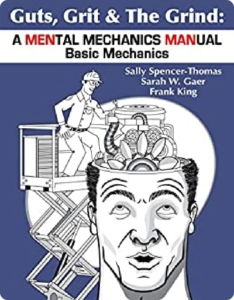
Join my email list for a free copy of the unabridged audiobook version of “Guts, Grit & The Grind.”