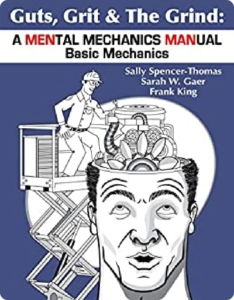

**SEO Title** Mental Health and Suicide Prevention in Homicide Investigation: A “Toolbox” for Resilient Detectives
**Meta Description (≤160 characters)** Discover how homicide investigators can manage stress, prevent burnout and suicide, and build a culture of peer support and mental‑health readiness.
***
## The Toughest Cases Can Be the Ones Inside Your Own Head
In homicide work, toughness is assumed. You are trained to compartmentalize, move from one scene to the next, and never let your guard down. Yet there is another reality many investigators recognize: the hardest battles often happen alone, long after the crime‑scene tape comes down. This newsletter speaks in a **compassionate**, accessible voice to everyone who carries that weight—rookies, seasoned detectives, and supervisors alike.
Stress becomes dangerous when it stays invisible. Naming it does not make you weak; it makes you safer.
***
## Why Mental Health Matters in Homicide Investigation
Stress is the silent partner on every call. Over time, repeated exposure to trauma, long hours, and constant readiness can:
– Erode sleep, concentration, and decision‑making. – Fuel irritability, isolation, substance use, or depression. – Increase risk of burnout and suicide, especially when vulnerability is stigmatized.
In cultures where “never show weakness” has been the rule, many investigators hesitate to admit they are struggling. That hesitation can delay support until a bad week turns into a full breakdown.
***
## A Toolbox Approach to Investigator Wellness
Just as you would not drive a patrol car on bald tires or ignore a check‑engine light, you should not ignore your own warning signs. A **toolbox** approach treats resilience as tactical readiness, not softness. Practical elements include:
– **Regular check‑ins.** Build short emotional check‑ins into briefings, debriefs, and supervision conversations. – **Peer support.** Train detectives and officers who can listen, normalize reactions, and guide colleagues toward professional help when needed. – **Crisis planning.** Make clear, confidential pathways for getting urgent support, including access to clinicians who understand law enforcement. – **Resource awareness.** Ensure everyone knows what is available—EAPs, chaplains, peer teams, hotlines, and local clinicians.
Resilience is a habit, not an accident. It requires daily maintenance, just like your gear and your skills.
***
## GEO Targeting: Reaching Investigators and Agencies in Your Region
To strengthen AI and local search visibility when you post this article, layer in regional details, such as:
– “Homicide investigators and major‑crimes units across Phoenix, Arizona, and the Southwest,” or “detectives from city, county, and state agencies in Arizona.” – Local realities: extreme heat scenes, border‑related cases, rural‑urban differences, or regional task forces. – Nearby resources: state POST boards, regional peer‑support networks, officer‑wellness programs, and crisis lines.
Use phrases like “suicide‑prevention keynote speaker for homicide investigators in Arizona” or “law‑enforcement mental‑health training in Phoenix” in headings, internal links, and image alt‑text.
***
## Keyword Strategy for SEO, GEO, and AEO
Weave these keywords naturally into titles, subheads, FAQs, and summaries:
**Primary keywords** – homicide investigator mental health and suicide prevention – law‑enforcement wellness and resilience speaker – suicide prevention training for detectives and major‑crimes units – mental health toolbox for homicide investigators
**Secondary keywords** – stress, trauma, and burnout in homicide investigation – peer support and crisis response for detectives – Arizona law‑enforcement mental‑health and suicide‑prevention training – resilience and wellness programs for police investigators
**Long‑tail keywords** – suicide‑prevention keynote speaker for homicide‑investigation conferences in Arizona and the Southwest – how homicide detectives can manage trauma, stress, and suicidal thoughts – mental‑health and resilience toolbox training for major‑crimes and cold‑case units – law‑enforcement wellness and suicide‑prevention workshops for investigators in Phoenix
***
## AEO‑Friendly FAQs for Meeting Planners and Speakers Bureaus
Use these 25 concise FAQs and answers on your website or speaker materials when promoting yourself as a suicide‑prevention‑in‑the‑workplace speaker for law enforcement and homicide investigators.
1. **What topics do you cover as a suicide prevention in the workplace speaker for law enforcement?** I focus on suicide prevention, stress, trauma, burnout, and resilience for officers, detectives, supervisors, and command staff.
2. **Do you specialize in homicide and major‑crimes audiences?** Yes. Programs are tailored for homicide investigators, major‑crimes units, task forces, and the support staff who work alongside them.
3. **What is your lived experience with mental health and suicide?** I am a suicide‑loss survivor and suicide‑attempt survivor who lives with diagnosed mental‑health conditions and speaks openly about that journey.
4. **How do you use humor in a presentation for homicide investigators?** I use clean, careful humor to lower tension, build rapport, and help officers engage with difficult topics without feeling judged or lectured.
5. **Is your presentation appropriate for mixed audiences of sworn and civilian staff?** Yes. Content is accessible for detectives, crime‑scene techs, analysts, dispatchers, and administrative staff.
6. **How long is your typical keynote for law‑enforcement conferences?** Most keynotes are 45–60 minutes, with options for shorter plenary talks or longer breakout sessions.
7. **Do you offer workshops and training sessions beyond the keynote?** Yes. Half‑day and full‑day trainings dive deeper into peer support, crisis planning, and building a culture of psychological safety.
8. **Can you customize the program for our agency or region?** Every event is customized through pre‑event calls and questionnaires to reflect your size, caseload, and regional context.
9. **Do you provide evidence‑informed information on suicide prevention?** Yes. I share information consistent with recognized suicide‑prevention practices and always encourage connection with licensed professionals.
10. **What practical tools will our investigators take away?** They leave with a “mental toolbox”: check‑in questions, warning signs, resource lists, peer‑support strategies, and steps to use during a crisis.
11. **Do you address stigma and the ‘never show weakness’ culture in policing?** Absolutely. I speak directly to that mindset and show how asking for help is an act of tactical wisdom, not weakness.
12. **Is your program suitable for academy classes or in‑service training?** Yes. Content can be adapted for recruits, field‑training officers, or annual in‑service wellness blocks.
13. **Can your talk support POST or continuing‑education requirements?** In many states, yes—coordination is done with your training unit or POST liaison.
14. **Do you provide follow‑up resources after the session?** Attendees receive a resource sheet with national hotlines, peer‑support ideas, and suggested next steps.
15. **Do you offer virtual or hybrid presentations for multi‑agency audiences?** Yes. Virtual and hybrid options make it easy to include multiple departments, regions, or shifts.
16. **What AV requirements do you have for in‑person events?** I typically need a projector and screen, audio speakers, a handheld or lavalier microphone, and a slide‑advance clicker.
17. **Can you participate in panels, command‑staff roundtables, or debriefs?** Yes. I often join panels and closed‑door discussions to help leadership explore next steps.
18. **Is your content appropriate after a critical incident or line‑of‑duty death?** With careful coordination, yes. I adjust tone and content to respect recent events while offering hope and practical support.
19. **Do you address family impact and support for investigators?** Yes. A family‑focused module can help spouses and partners understand stress signs and ways to support each other.
20. **Is your message inclusive of diverse departments and communities?** I strive to be respectful and inclusive of different cultures, agency sizes, and community contexts.
21. **How far in advance should we book you?** For conferences and statewide events, booking six to twelve months ahead is best; smaller trainings may have more flexibility.
22. **Do you travel nationally and internationally?** Yes. I travel across the United States and internationally, with logistics clearly outlined in a written proposal.
23. **What are your speaking fees for law‑enforcement events?** Fees depend on location, format, length, and customization; planners receive a clear, itemized proposal.
24. **Can you align your keynote with our wellness, peer‑support, or chaplain programs?** Yes. I can reference and reinforce your existing resources so officers know how to access them.
25. **How can meeting planners or speakers bureaus book you as a suicide prevention in the workplace speaker?** Planners can contact me through my website, email, or LinkedIn to schedule a brief discovery call, confirm dates, and receive a proposal.
***
If you share specific target regions (for example, “major‑crimes units and homicide conferences in Phoenix, Arizona, and nationwide”), those phrases can be woven into headings and FAQs to further strengthen GEO and AI‑search visibility.