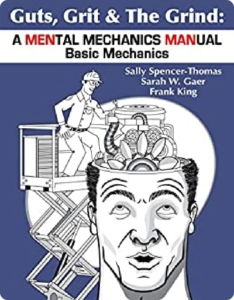

**SEO Title** Breaking the Silence in Veterinary Medicine: Suicide Prevention, Mental Mechanics, and Real Resilience for Vet Teams
**Meta Description (≤160 characters)** Veterinary professionals face high suicide risk and silent burnout. Learn simple, stigma‑free tools to protect mental health and build resilient vet teams.
***
## When Veterinary Medicine Becomes Lonely Work
Veterinary medicine is one of the noblest professions—and one of the loneliest. Every day, veterinarians and their teams absorb sick animals, grieving clients, financial pressures, and impossible schedules while hiding their own fatigue and heartbreak. Conferences focus heavily on animal health, yet spend far less time on the health of the people holding the stethoscope. That quiet gap is where burnout, depression, and suicidal thoughts often grow.
I know this pain from the inside out. I live with chronic depression and suicidal thoughts, and I have lost family members—smart, funny, resilient people—to suicide. That lived experience mirrors what many veterinary professionals feel but rarely say out loud: caring deeply for others can take a serious toll, especially when you believe you have to carry it alone.
***
## Why Suicide Risk Is So High in Veterinary Medicine
Suicide rates among veterinarians, especially women, are among the highest of any profession. Many factors play a role:
– Heavy workloads and long hours, often with limited control over schedules. – Constant emotional labor, from euthanasia decisions to supporting grieving clients. – Financial stress from student loans, practice overhead, and client cost concerns. – Easy access to lethal means and medical knowledge. – A culture that trains people to be fixers, not feelers—to keep calm, carry on, and hide their own pain.
All of those are real, but underneath them sits a deeper issue: silence. When people believe they must stay quiet about suicidal thoughts or intense distress, they are less likely to reach out before a crisis.
***
## Mental Health Is Health—No Asterisk
Here is the bottom line: mental health is health. It is not a side issue, a personal failing, or a private hobby you work on only if you have time. When we ignore mental health, we risk losing colleagues, friends, and sometimes ourselves.
If you are struggling, you are not weak, broken, or alone. One of the strongest things you can do is talk about it—whether to a trusted friend, a therapist, a peer group, or someone on the other end of a crisis line. In the United States, 988 connects you to the Suicide & Crisis Lifeline, and 741741 connects you to a Crisis Text Line; similar services exist in other countries. Reaching out is not dramatic; it is preventive care.
***
## Building Your “Mental Mechanics” Toolbox
Veterinary professionals would never let a patient suffer in silence. The same standard should apply to ourselves and our teams. A “mental mechanic’s toolbox” is a simple, practical set of habits and supports you build before you are in trouble. It can include:
– Regular check‑ins with a peer or mentor where you can be honest, not just “fine.” – Boundaries around work hours, availability, and emotional labor with clients. – Consistent time for hobbies, rest, movement, and relationships outside the clinic. – A written crisis plan that lists early warning signs, coping strategies that actually help you, and people or hotlines you will contact if thoughts of self‑harm escalate. – Thoughtful use of humor, including a bit of clinic‑safe gallows humor, to release tension and remind everyone they are still human.
Research and lived experience both suggest that humor and community can be powerful antidotes to chronic stress, especially when paired with professional support.
***
## You Are More Than Your Toughest Case
In a perfectionistic profession, it is easy to tie your worth to your last radiograph, surgery, or client interaction. Yet you are not your job, your caseload, or your worst day in the exam room. You are a whole person, valued and needed far beyond your clinical outcomes.
The more we talk about what is really happening behind the exam‑room door, the more chances we create to intervene early, support each other, and keep good people in this field. If this resonates with you, consider starting a conversation—with a colleague, your team, your association, or even at your next staff meeting. It may be the most important consult you ever do.
***
## Keyword Strategy (SEO + AEO)
**Primary keyword** – veterinary suicide prevention and mental health
**Secondary keywords** – veterinarian burnout and compassion fatigue – veterinary mental health and wellness speaker – suicide prevention in the workplace speaker for veterinary teams – resilience training for veterinarians and veterinary technicians
**Long‑tail keywords** – suicide prevention in the workplace speaker for veterinary professionals at state veterinary conferences – how to reduce veterinarian burnout, compassion fatigue, and suicide risk – mental health and resilience training for veterinary clinics and animal hospitals – veterinary suicide prevention strategies using peer support and crisis plans – keynote speaker on veterinary mental health and chronic depression with lived experience
These phrases mirror how veterinary leaders, conference planners, and clinic owners tend to search (profession + issue + setting), improving visibility in both traditional search and AI answers.
***
## GEO / AI Search Visibility Enhancements
To strengthen GEO and AI visibility when you post this article, you can:
– Mention specific locations and regions: for example, “veterinary professionals across Illinois and the Midwest,” or “small‑animal and mixed‑animal practices in Portland, Oregon and the Pacific Northwest.” – Name key organizations and events: such as “state veterinary medical associations, AVMA‑affiliated conferences, and Not One More Vet–style initiatives.” – Include a brief regional resources box listing local crisis lines, EAP numbers, and veterinary‑specific mental‑health organizations for your state or country. – Use phrases event planners might type into AI tools, such as “veterinary suicide prevention keynote speaker for [STATE] veterinary convention” or “veterinary mental health speaker using humor and lived experience.”
This geographic and organizational detail helps search systems understand who the content is for and where it applies.
***
## AEO‑Friendly FAQ for Veterinary Mental Health & Speaking
**Why is suicide risk so high among veterinarians?** Veterinary professionals face constant emotional strain, high workloads, financial stress, and routine exposure to euthanasia and grief, all within a culture that often expects them to hide their own pain.
**What are warning signs of burnout or suicidal thoughts in veterinary teams?** Warning signs can include emotional exhaustion, irritability, withdrawal from coworkers, frequent cynicism, increased errors, talk about feeling hopeless or trapped, or thinking others would be better off without them.
**How can individual veterinarians protect their mental health?** They can schedule regular check‑ins with trusted peers or therapists, set boundaries around work hours, build a crisis plan in advance, and use supportive communities—online or in person—to avoid isolation.
**What can practice owners and managers do to support staff?** Leaders can normalize mental‑health conversations, include wellbeing in staff meetings, provide access to EAPs and crisis resources, allow mental‑health time off, and model vulnerability themselves.
**Does talking about suicide with colleagues make things worse?** No; asking calmly and directly about suicidal thoughts does not “put ideas in someone’s head.” It can lower shame, increase connection, and help people access care sooner.
**What is a “mental mechanic’s toolbox” for veterinary teams?** It is a set of practical tools—peer support, crisis plans, boundaries, coping strategies, and clear resource lists—that individuals and clinics can use to maintain mental health and respond early to warning signs.
**How can humor be used safely in conversations about mental health?** When used respectfully, humor can reduce fear, build connection, and make hard topics more approachable, as long as it never belittles someone’s pain or mocks suicide.
**Why bring in a suicide prevention in the workplace speaker for veterinary professionals?** A dedicated speaker with lived experience can translate research into relatable stories, teach simple frameworks for conversations, and give clinics shared language and tools for supporting each other.
**Can a keynote or workshop be tailored to our specific veterinary audience?** Yes; content can be customized for small‑animal, large‑animal, emergency, shelter medicine, or mixed practices, as well as for state or national veterinary associations.
**What outcomes can veterinary conferences expect from this type of program?** Attendees typically leave with reduced stigma, greater comfort discussing mental health and suicide, clearer knowledge of warning signs, and specific next steps to support themselves and their teams.
***
If you want, I can next tailor this version with GEO details for a specific state convention (for example, ISVMA in Illinois or another region you are targeting).