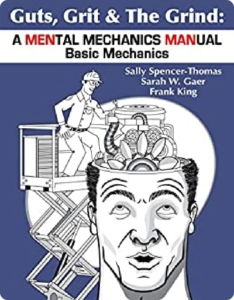

In the Trenches of Veterinary Medicine, Mental Health Is the Elephant in the Exam Room
The waiting room is overflowing. The phones won’t stop ringing. In the treatment area, a technician steadies a shaking dog while a veterinarian braces for another heartbreaking conversation. This is a normal day in veterinary medicine—a profession built on compassion and expertise, but also shadowed by a persistent, often hidden mental health crisis.
***
## The Unseen Toll on Veterinary Teams
Veterinarians and technicians carry an emotional load that would flatten most people. Their daily reality includes: – Frequent exposure to suffering, grief, and euthanasia. – High expectations from clients who are anxious, demanding, or grieving. – Financial stress for both the practice and the clients they’re trying to help. – Constant pressure to make the “right call” in complex medical situations.
Research has shown that this mix creates some of the highest levels of stress, burnout, depression, and suicide risk among healthcare professionals. Yet in many clinics, the topic that most needs attention—staff mental health—remains largely unspoken.
***
## Why Silence Is So Dangerous
The culture of veterinary medicine often rewards: – Perfectionism: feeling that anything short of flawless care is failure. – Self‑reliance: believing you should “handle it yourself” and never burden others. – Emotional suppression: being “fine” no matter what happened that day.
In that environment, phrases like “I’m just tired” or “I’m fine” can hide serious distress. When no one feels safe saying, “I’m not okay,” warning signs are missed, and people reach breaking points alone. Silence becomes more than uncomfortable—it becomes a genuine safety risk.
***
## Building a Real-World Resilience Toolbox
A healthier culture doesn’t appear overnight, but it can be built with small, intentional steps. Practices and hospitals can: – Make brief daily or weekly check‑ins part of the routine, asking, “How are you—really?” and meaning it. – Encourage team members to notice changes in mood, energy, or behavior and gently ask about them. – Normalize seeking professional help the same way physical therapy or a medical consult is normalized after an injury.
Practical tools might include: – Written crisis plans that outline what to do and who to call when someone is in serious distress. – Peer-support buddies or small groups where staff can talk honestly without judgment. – Decompression rituals—short walks, shared breaks, mindfulness moments, or “no-clinic-talk” snacks after especially hard cases.
These aren’t luxuries; they’re protective gear for the mind, just as PPE is for the body.
***
## Treating Mental Health Like a Medical Emergency
If a patient arrived in respiratory distress, no one would hesitate to act. Mental health deserves the same urgency. For veterinary teams, that means: – Providing regular training on burnout, compassion fatigue, and suicide risk. – Creating open channels for staff to share concerns about themselves or colleagues. – Ensuring leadership is visibly willing to say, “I’ve struggled too,” and “It’s okay to ask for help.”
Burnout should be treated as an occupational hazard that can be recognized early, managed proactively, and often prevented—not as a personal flaw or failure of character. When leaders model vulnerability and prioritize mental health, they shift the entire clinic’s culture toward safety and sustainability.
***
## Reconnecting With the Heart of the Profession
Most people enter veterinary medicine because they love animals and want to ease suffering. Over time, the weight of responsibility can dull that original calling. Protecting mental health is not a distraction from that mission—it is essential to it.
When practices create environments where staff can speak openly, lean on each other, and access real support, several things happen: – Teams become more cohesive and resilient. – Patient care improves as focus and empathy return. – The profession becomes more sustainable, allowing talented people to stay rather than burn out or leave.
Ultimately, caring for the healers is part of caring for the animals and communities they serve. The “elephant in the exam room” doesn’t disappear by ignoring it—but by naming it, talking about it, and building systems that honor the humanity behind the lab coats and scrubs.