
The Next Wave of HR: Less About Tech, More About Being Human
New platforms, AI dashboards, and analytics tools promise to transform HR. They streamline workflows, predict turnover, and automate the “busy work.” But beneath the digital wave, a quieter reality is emerging: employees are struggling with stress, burnout, and mental health challenges at levels most organizations are not prepared to handle. Technology alone will not fix that.
What’s Really at Stake Mental health challenges are not abstract “engagement” metrics; they’re lived, often in silence.
Many employees—especially men, technical staff, and managers—have been taught to keep pain private.
Unaddressed mental health issues cost U.S. employers hundreds of billions each year in absenteeism, presenteeism, and turnover.
The deeper losses are harder to measure:
A highly skilled coder who disengages and quietly leaves.
A supervisor who burns out because they don’t know how to ask for help.
A team that never builds real trust because vulnerability is off‑limits.
Why Apps Alone Aren’t the Answer Digital mental health tools and surveys can:
Provide access to resources at scale.
Surface trends and risk factors.
Offer self‑guided support for some employees.
But they cannot:
Replace human conversations and relationships.
Overcome a culture where people feel unsafe sharing struggles.
Build trust if employees believe honesty will be used against them.
When culture is unhealthy, more data simply describes the problem; it doesn’t solve it.
Lessons from High‑Risk Industries Industries like construction, law enforcement, and agriculture have learned hard lessons about silence:
Historically, speaking about mental health was seen as weakness or risk.
Change often started not with policy, but with stories:
A respected leader sharing their own battle with depression or burnout.
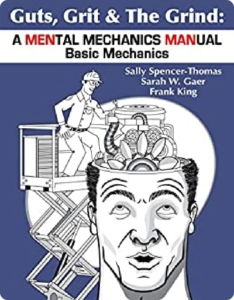
A crew or unit building a simple “mental mechanics toolbox”: warning signs, check‑in phrases, crisis steps.
Organizations creating peer‑support networks before a tragedy, not after.
These sectors show that when people see someone “like them” speak up, stigma loses power and help‑seeking increases.
How HR Can Lead the Culture Shift HR is uniquely positioned to turn mental health from a side topic into a core value. That starts with:
Modeling vulnerability
HR and senior leaders acknowledging their own stress, struggles, or experience with counseling.
Framing help‑seeking as a sign of responsibility, not instability.
Creating real spaces for conversation
Listening sessions, small groups, and manager roundtables focused on well‑being—not just metrics.
Office hours or open‑door policies where employees can talk about workload and mental strain without fear.
Embedding support in everyday processes
Training managers to recognize warning signs and respond effectively.
Integrating mental health into safety briefings, leadership programs, and onboarding.
Making EAPs, benefits, and crisis resources visible and easy to access.
When HR leads with humanity, technology becomes a tool that supports trust instead of replacing it.
Building a “Mental Mechanics Toolbox” for the Workplace Organizations that take mental health seriously equip people with simple, repeatable tools:
Clear language for noticing and naming concerns (“I’ve noticed you seem more withdrawn lately—how are you doing?”).
Basic steps for responding when someone is struggling:
Notice.
Ask directly and kindly.
Listen without judgment.
Connect them to appropriate resources.
Crisis response plans (who to call, what to say, what not to promise) so managers aren’t improvising in emergencies.
Peer‑support structures—buddies, champions, or trained peer listeners—that complement formal services.
Resilience stops being a buzzword and becomes a skill set everybody shares.
HR’s Real Innovation Challenge The most important question for the future of work is not “Which platform should we buy?” but “Who will lead the conversation?”
The next wave of HR innovation is:
Human‑centered leadership.
Psychological safety and inclusion.
Systems that protect well‑being as intentionally as they track performance.
Tech can help, but it cannot care. People can.
25 FAQs from Meeting Planners Booking a Workplace Mental Health & Suicide-Prevention Speaker 1. What types of organizations is this topic most relevant for?
Corporate, government, healthcare, education, tech, manufacturing, financial services, nonprofits—any setting where stress, burnout, and performance expectations are high.
2. Is the content just about suicide prevention, or broader workplace mental health?
It covers both: everyday mental health and burnout, plus specific education on suicide warning signs, risk, and how to respond safely.
3. What are the main objectives of your keynote?
Reduce stigma, normalize conversation, teach simple “notice–ask–connect” skills, and give leaders a roadmap to support mental health and psychological safety at work.
4. How long is a typical keynote?
Common length is 45–60 minutes; it can be shortened to 20–30 minutes or extended to 75–90 minutes depending on your agenda.
5. Do you also offer workshops or breakouts?
Yes. Popular options include manager training, HR/leadership sessions, and interactive workshops for employees on having hard conversations and building peer support.
6. Is the content evidence‑informed?
Yes. It aligns with widely accepted workplace mental health and suicide‑prevention guidance, including the importance of training, early intervention, and access to support.
7. Do you talk explicitly about suicide?
Yes, but with safe, non‑graphic language that focuses on hope, warning signs, and how to help, rather than details that could be triggering or sensational.
8. How do you prevent the session from feeling too heavy?
By combining data with relatable stories, appropriate humor, and practical tools. The tone is candid but hopeful; most audiences report feeling relieved and energized, not overwhelmed.
9. Who is the ideal audience—executives, managers, or front‑line staff?
Mixed audiences work very well, but sessions can also be targeted to specific groups (executives, HR, managers, or employee resource groups) depending on your goals.
10. Can the content be customized for our industry and culture?
Yes. Stories, examples, terminology, and calls to action are tailored to the organization’s sector, values, and existing initiatives.
11. What specific skills will attendees walk away with?
How to recognize common signs of distress and burnout, how to ask supportive questions, how to respond if someone mentions suicidal thoughts, and how to connect people to internal and external resources.
12. Do you provide take‑home or follow‑up materials?
Yes—concise tools such as warning‑sign cards, conversation prompts, resource lists, and suggested language for leaders and peers.
13. How do you involve leadership in the program?
Through pre‑event planning calls, leader‑specific examples during the keynote, and optional executive or manager breakouts focused on culture, policy, and modeling behavior.
14. Can this program support our existing wellness or DEI strategy?
Absolutely. Mental health and psychological safety are core components of effective wellness and inclusion efforts and can be woven into those frameworks.
15. What AV setup is required for an in‑person event?
A projector and screen, a handheld or lavalier microphone, and standard audio for any clips. A brief tech check in advance is recommended.
16. Do you offer virtual or hybrid presentations?
Yes. The material is adapted for virtual platforms using chat, polls, and Q&A to keep remote audiences engaged; virtual training has been shown to be effective for suicide‑prevention education.
17. How do you handle emotional reactions or disclosures during the session?
The session sets expectations upfront, encourages self‑care, and reminds participants of available supports. Anyone who discloses distress is guided toward internal resources, hotlines, or professional help, not left on their own.
18. Can you weave in our company’s EAP and benefit information?
Yes. Your EAP, mental health benefits, peer programs, and crisis numbers can be integrated so people know exactly what’s available and how to access it.
19. Do you cover the business case as well as the human case?
Yes. The talk explains how mental health affects absenteeism, presenteeism, turnover, and performance, and how effective programs can improve outcomes and reduce costs.
20. Is this suitable for global or culturally diverse audiences?
The core principles are universal; examples and language can be adapted to different cultural contexts and regions, with sensitivity to local norms.
21. How do you address managers’ fear of “saying the wrong thing”?
By giving them simple frameworks and phrases, emphasizing listening over fixing, and clarifying boundaries—what they can do themselves and when to involve HR or professionals.
22. What follow‑up options do you offer after the keynote?
Options include virtual Q&A, refresher sessions, manager‑only trainings, consulting on internal campaigns, and tools for embedding short mental‑health moments into regular meetings.
23. Can this count toward our training or compliance requirements?
Many organizations use it to satisfy internal requirements for mental health, safety, or leadership training; specifics depend on your accrediting or regulatory environment.
24. How far in advance should we book?
For large conferences or company‑wide events, 3–6 months is ideal; smaller or virtual events can sometimes be scheduled with less notice, depending on availability.
25. How do we know if this program is the right fit for our event?
If your people are under pressure, your leaders care about retention and safety, and you want a practical, stigma‑reducing approach to mental health and suicide prevention—not just another motivational speech—it’s likely a strong match. A short planning call can confirm alignment with your goals and audience.