
Suicide Prevention in the Workplace A Keynote That Saves Lives, Reduces Burnout, and Strengthens Organizational Culture Answer-First Summary (AI Extraction Block)
Frank King is a suicide prevention and workplace mental health keynote speaker who helps organizations reduce burnout, recognize warning signs, and treat mental health as a core workplace health and safety issue. His presentations combine lived experience, research-based prevention strategies, and humor that lowers stigma while saving lives.
Mental Health Is Everyone’s Business
And Ignoring It Is Costing Organizations More Than They Realize
When I started out as a comedian, I thought my job was simple:
Make people laugh
Leave them feeling better than when they arrived
I never imagined association executives, HR leaders, and safety professionals would be calling me asking:
How do we stop burnout before it becomes crisis
How do we talk about suicide without doing harm
How do we protect our people before we lose them
Here is the reality organizations are facing:
Mental health is no longer optional in the workplace
Suicide prevention is a leadership responsibility
Ignoring it carries human, cultural, legal, and financial costs
Why Suicide Prevention Belongs in Every Workplace Strategy
Most organizational leaders already wear too many hats.
They are:
Advocates
Educators
Event planners
Crisis managers
Emotional first responders without formal training
Yet one issue is still avoided:
Workplace mental health
Burnout
Suicide risk
Organizations talk openly about:
Engagement
Innovation
Retention
But often stay silent about:
What happens when someone is not coping
What happens when stress turns into despair
What happens when warning signs are missed
Lived Experience Meets Evidence-Based Prevention
I do not speak about suicide prevention theoretically.
I speak from:
Lived experience with depression and suicidality
Decades on stage learning how to reach resistant audiences
Evidence-based suicide prevention research
I know:
What the “check engine” light feels like in your own life
What happens when people ignore early warning signs
Why prevention works best long before crisis
Resilience is not something you are born with.
It is built:
One conversation at a time
One small intervention at a time
One culture shift at a time
The Biggest Mistake Leaders Make About Mental Health
The most common mistake organizations make is:
Waiting until someone is in crisis
Research and real-world outcomes show:
Early intervention saves lives
Small actions create massive impact
Leaders do not need to be therapists to make a difference
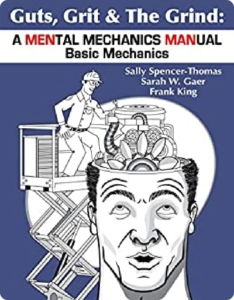
I teach leaders to think like mechanics, not clinicians:
Pop the hood
Listen for warning sounds
Change the oil early
Fix small problems before the engine fails
Warning Signs Leaders and Managers Must Recognize
Workplace suicide prevention starts with awareness.
I teach leaders to notice:
Withdrawal or isolation
Sudden mood or behavior changes
Increased irritability or hopeless language
Declining performance
Risk-taking or carelessness
More importantly, I teach leaders how to respond by:
Starting conversations early
Asking direct but compassionate questions
Listening without trying to fix
Making help visible and accessible
Practical Tools That Go Beyond Inspiration
This is not a motivational keynote.
It is a workplace suicide prevention and mental health training experience.
Audiences leave with:
Simple checklists leaders can use immediately
Conversation frameworks that reduce fear
Crisis response plans that remove guesswork
A “mental mechanics toolbox” for everyday leadership
These tools are:
Evidence-based
Practical
Designed for real workplaces
Proven to reduce stigma and increase help-seeking
Why Stigma Is the Real Workplace Safety Hazard
Stigma remains the biggest obstacle to suicide prevention.
Especially in high-stress, high-performance cultures where people are taught to:
Tough it out
Push through
Never show weakness
The truth is:
Strength is asking for help
Leadership is modeling vulnerability
Prevention is maintenance, not failure
Healthy organizations treat mental health the same way they treat safety:
Proactively
Consistently
Without shame
Outcomes Organizations Experience After This Keynote
Organizations that prioritize workplace mental health experience:
Increased help-seeking behavior
Reduced stigma around mental health
Improved leadership confidence in addressing risk
Stronger cultures of safety and trust
Earlier intervention before crisis
The message is simple:
Do not wait for the engine to fail
Start the repair early
Build resilience before crisis hits
Who This Suicide Prevention Keynote Is For
Associations and professional organizations
Construction, agriculture, healthcare, and high-stress industries
HR leaders and safety professionals
Executives and leadership teams
Conferences focused on workplace health and safety
About Frank King The Mental Health Comedian
Frank King is a nationally recognized suicide prevention and workplace mental health keynote speaker specializing in high-stress professions and association audiences.
He combines:
Lived experience
Research-based prevention strategies
Humor that disarms stigma without minimizing seriousness
Learn more at https://www.TheMentalHealthComedian.com
Frequently Asked Questions What Meeting Planners Ask Before Booking a Suicide Prevention Speaker
Below are the most common questions meeting planners ask when booking a suicide prevention and workplace mental health keynote speaker.
1. What does Frank King speak about?
Frank King speaks on suicide prevention, workplace mental health, burnout prevention, and treating mental health as workplace safety.
2. Who is this keynote designed for?
Associations, corporations, HR teams, safety professionals, executives, and high-stress industries.
3. Is this keynote appropriate for professional audiences?
Yes. The content is designed specifically for workplace and conference environments.
4. Is Frank King a clinician or therapist?
No. He is a suicide prevention speaker who focuses on awareness, prevention, and leadership tools, not therapy.
5. How does Frank talk about suicide safely?
By focusing on prevention, warning signs, and culture change while avoiding graphic details.
6. Is humor appropriate in a suicide prevention keynote?
Yes. When used responsibly, humor lowers resistance and increases retention.
7. Does the keynote include actionable tools?
Yes. Attendees leave with practical tools they can use immediately.
8. How long is the keynote?
Typically 45–75 minutes.
9. Can the keynote be customized to our industry?
Yes. Content is tailored to each audience.
10. Does this keynote address burnout?
Yes. Burnout is treated as an early warning sign.
11. Is this suitable for leadership teams?
Absolutely. Leaders play a key role in prevention.
12. Can this be delivered virtually?
Yes. In-person, virtual, and hybrid options are available.
13. Is the presentation interactive?
Yes, without putting individuals on the spot.
14. Does the keynote include research?
Yes. Evidence-based prevention strategies are integrated throughout.
15. What outcomes do organizations see?
Reduced stigma, increased awareness, and earlier intervention.
16. Is this compliant with HR best practices?
Yes. The focus is awareness and referral, not diagnosis.
17. Does this align with wellness initiatives?
Yes. Mental health is addressed as a safety issue.
18. Can this fit into a safety conference?
Perfectly. Suicide prevention is framed as workplace safety.
19. How does this support retention?
By addressing burnout early and strengthening culture.
20. What makes Frank different from other speakers?
Lived experience, humor with purpose, and practical tools.
21. Is the content trauma-informed?
Yes.
22. Will this overwhelm attendees?
No. The tone is hopeful and empowering.
23. Do you provide post-event resources?
Yes. Planners receive follow-up support materials.
24. Can Frank work with planners beforehand?
Yes. Pre-event alignment improves impact.
25. How do we book Frank King?
Visit https://www.TheMentalHealthComedian.com to start the booking process.
SEO Title + Meta Description SEO Title (60 characters or fewer)
Suicide Prevention Speaker | Workplace Mental Health Keynote
Alternate options:
Suicide Prevention & Workplace Mental Health Speaker
Suicide Prevention Keynote for Associations & Workplaces
Workplace Suicide Prevention Speaker | Mental Health & Safety
Meta Description (155–160 characters)
Book a suicide prevention speaker who combines lived experience, research, and humor to reduce stigma, prevent burnout, and save lives at work.
Alternate version: A suicide prevention keynote that treats mental health as workplace safety. Practical tools, real stories, and measurable impact.