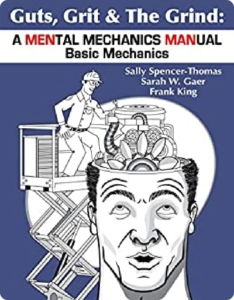

When Hard Hats Aren’t Enough: Why Mental Health Belongs in Construction Safety
Walk any construction site and you’ll see safety everywhere.
Hard hats. Harnesses. Guardrails. Daily huddles about trenches, traffic, and electrical hazards.
But there’s a risk that rarely makes it onto the safety board: the mental health of the people doing the work.
When a worker is fighting anxiety, depression, burnout, or grief, they’re not just “distracted.” They’re more vulnerable to mistakes, near‑misses, and serious incidents. Mental health and safety are not separate conversations—they’re the same conversation viewed from different angles.
Mental Health as a Safety Hazard
In construction, we’re used to thinking in terms of hazards and controls.
- Poor focus
- Chronic fatigue
- High stress
- Intrusive thoughts
These are hazards too.
A worker who hasn’t slept, who’s worrying about home, or who’s quietly fighting depression may struggle to:
- Notice changes in conditions
- Follow procedures in detail
- React quickly when something goes wrong
That’s not a character flaw. It’s a predictable outcome of human beings carrying more than their share, for longer than anyone can see.
When we treat mental health as part of safety—not separate from it—we widen the net that keeps people alive.
From “Tough It Out” to “Talk It Out”
The construction industry has a deep culture of toughness.
You show up.
You get it done.
You don’t complain.
That resilience is a strength—but it can also be a trap.
When workers believe that talking about stress or mental health will:
- Get them labeled as weak
- Cost them overtime or promotion
- Put their job at risk
they keep quiet. And quiet crews aren’t always safe crews.
Integrating mental health into safety means making it normal to say:
- “I’m not sleeping.”
- “I’m burned out.”
- “I’m having a hard time focusing today.”
and to respond with support, not punishment.
Leadership: Setting the Tone for a Safer Culture
Culture moves in the direction leadership walks.
When leaders:
- Include mental health in safety talks
- Share their own experiences with stress and struggle (appropriately)
- Make it clear that asking for help is a sign of responsibility
they send a message that sticks:
“Your wellbeing matters as much as your productivity.”
This shift doesn’t just protect people. It also:
- Improves morale
- Reduces turnover
- Builds loyalty and trust
A foreman who says, “If you’re struggling, I’d rather know than guess,” is doing more for safety than any poster ever could.
Training That Includes the Human Factor
Safety training already covers:
- Fall protection
- Lockout/tagout
- Equipment operation
It can—and should—also cover:
- Basic signs of mental strain
- How to ask a coworker if they’re okay
- What to do if someone says they’re not
Workers don’t need to be therapists.
They need simple tools, like:
- “You seem different lately—want to talk?”
- “I’m not here to judge, just to listen.”
- “Can we walk over to the trailer and see what support we can find?”
When crews know how to notice and respond, they become part of a safety net that’s stronger than any single program.
Building a Resilient Workforce for the Future of Construction
Construction is not getting simpler.
Schedules are tight.
Projects are complex.
Demands are high.
A resilient workforce is not made of people who never struggle. It’s made of people who can:
- Speak up early
- Access support without fear
- Look out for each other on and off the job
The intersection of mental health and safety isn’t a trend.
It’s how construction survives—and thrives—in the years ahead.
Hard hats and harnesses are essential.
So are honest conversations and a culture that treats psychological safety with the same seriousness as physical safety.
50 Booking FAQs – Construction Mental Health & Safety Keynote
These FAQs are tailored for meeting planners, event organizers, and speakers bureaus booking a keynote or workshop on mental health as a safety issue in construction.
Section 1 – Speaking Topics & Focus
1. What is the main focus of this construction mental health keynote?
It connects mental health directly to jobsite safety, showing how stress, burnout, and depression impact focus, decision‑making, and incident risk, and offering practical steps to build a safer culture.
2. How is this different from a standard safety presentation?
Traditional safety talks focus on physical hazards; this keynote expands safety to include psychological hazards and shows how they interact with everything else on site.
3. Does the keynote address suicide, or just general stress?
Content can be tailored, but it is designed to address the full spectrum—from everyday stress and burnout to suicide risk—using careful, safe language.
4. Is the talk specific to construction, or more general workplace content?
It is built specifically for construction: field crews, foremen, superintendents, project managers, and safety staff.
5. What are the primary learning objectives?
Participants learn why mental health is a safety issue, how to spot warning signs, how to start conversations, and how leadership can support a help‑seeking culture.
6. Does the session include data about mental health in construction?
Yes, it references industry trends and known risk factors, while keeping the emphasis on practical actions and real‑world stories.
7. Is this program appropriate for safety weeks and stand‑downs?
Yes. It works well as a centerpiece for Construction Safety Week, Suicide Prevention Week, or company‑wide mental health stand‑downs.
8. Does the keynote include tools workers can use immediately?
Yes. It offers simple scripts for conversations, examples of check‑ins, and guidelines for when and how to escalate concerns.
9. Does the talk emphasize personal responsibility, leadership responsibility, or both?
Both. It highlights what individuals can do for each other and what leaders must do to create a safe environment for those conversations.
10. Is humour used in the presentation?
Yes, where appropriate, to lower defenses and keep people engaged—never to minimize the seriousness of mental health or safety.
Section 2 – Audience & Impact
11. Who is the ideal audience for this program?
Construction field workers, supervisors, foremen, superintendents, safety professionals, project managers, and executives.
12. Is the content suitable for union and non‑union audiences?
Yes. The language and examples are designed to resonate across both union and open‑shop environments.
13. Can this keynote be adapted for subcontractors and trade partners?
Absolutely. It can be framed for specific trades or multi‑trade audiences, including subcontractor summits and partner meetings.
14. Is the talk appropriate for mixed audiences that include office staff and field crews?
Yes. It emphasizes that mental health and safety touch everyone, from site to office, while still centering field realities.
15. What emotional tone should we expect?
Honest and direct, but hopeful—balancing serious topics with empathy, respect, and moments of levity.
16. How do you avoid overwhelming or triggering the audience?
By using non‑graphic language, emphasizing support and solutions, and reminding attendees that they’re not alone and help is available.
17. Do you address stigma directly?
Yes. The talk names stigma, shows how it operates, and offers specific ways to reduce it in crews and companies.
18. What do participants usually say afterward?
Common feedback: “This finally put words to what we’ve been seeing,” “I saw myself or my crew in those stories,” and “I feel more comfortable talking about this now.”
19. Does the keynote encourage people to seek help?
Yes. It normalizes help‑seeking, explains why it matters, and points to multiple support options (EAP, supervisors, peers, crisis lines).
20. Is there guidance for people who are already struggling?
The keynote offers reassurance, examples of others who sought help, and clear next steps for reaching out safely and confidentially.
Section 3 – Customization & GEO Relevance
21. Can the content be customized for specific regions or countries?
Yes. Examples, language, and references can be tailored to your country, region, or local construction market.
22. Can you adapt the talk for specific construction sectors (e.g., heavy civil, industrial, commercial)?
Yes. Stories and scenarios can be customized for roadwork, vertical construction, industrial plants, or specialized trades.
23. Can local statistics or company data be incorporated?
With advance notice, relevant high‑level data can be woven into the talk to increase relevance and urgency.
24. How do you align with existing company mental health or EAP programs?
We can highlight your specific resources, showing workers where to go and how to trust and use those supports.
25. Can you integrate union initiatives or industry campaigns?
Yes. Existing campaigns (e.g., mental health toolkits, peer support programs) can be amplified and reinforced.
26. Do you collaborate with internal speakers or panels?
The keynote can be paired with internal leadership remarks, panel discussions, or Q&A with internal champions.
27. Can the content be framed for multinational or multicultural crews?
Yes. Language is kept inclusive and can be adjusted for cultural norms around communication and help‑seeking.
28. Can the session support specific certifications or training requirements?
Content can be aligned with internal training goals; formal accreditation is usually managed by the host organization.
29. Is it possible to create a series rather than a one‑off session?
Yes. Follow‑up modules or a multi‑part series can deepen skills over time.
30. Can you provide a shorter version for toolbox talks or tailgate meetings?
Yes. A condensed talk track and key messages can be created for supervisors to use in shorter safety meetings.
Section 4 – Format, Delivery & Interaction
31. What formats are available (keynote, workshop, breakout)?
Keynotes, plenary sessions, 60–90‑minute workshops, breakouts, and virtual sessions are all available.
32. How long is the typical keynote?
Most keynotes are 45–60 minutes, with the option to add Q&A.
33. Are virtual presentations offered?
Yes. Sessions can be delivered via Zoom, Teams, or your preferred platform for geographically dispersed teams.
34. Do you include interactive elements?
Yes. Depending on the format, the session can include reflection questions, brief pair discussions, and audience polling.
35. Is there time for Q&A?
If the agenda allows, 10–15 minutes of Q&A can be built into the session.
36. Do you provide slides and handouts?
Slides are available for in‑room display, and summary handouts or digital resources can be provided post‑session.
37. What AV setup is required for in‑person events?
A microphone, projector, screen, and speakers are recommended; smaller rooms may need only basic sound.
38. Can sessions be recorded for internal use?
Recording can be discussed in advance and included in the agreement, subject to scope and usage terms.
39. Do you offer breakout sessions for supervisors only?
Yes. Supervisor‑focused sessions can go deeper into conversations, escalation paths, and leadership responsibilities.
40. Can you facilitate small‑group work around policy or process changes?
In workshop formats, participants can be guided through identifying gaps and planning next steps for their own sites.
Section 5 – Fees, Logistics & Outcomes
41. What are the typical speaking fees for construction events?
Fees depend on format, location, and customization; a clear quote is provided after a brief discovery call.
42. Are discounts available for associations or multi‑event bookings?
Yes. Associations, regional groups, or companies booking multiple sessions may be eligible for bundled or reduced rates.
43. How far in advance should we book?
Ideally 3–6 months in advance, especially for conference seasons and major safety events.
44. Can multiple sites share a single engagement?
Yes. Multi‑site tours or virtual multi‑location sessions can help spread cost and impact across several branches or regions.
45. What contractual details are typically included?
Contracts usually cover date, format, fees, travel, recording terms, and cancellation policies.
46. How do you evaluate the impact of the session?
Organizers can use pre‑ and post‑event surveys, feedback forms, and observations about engagement and follow‑up conversations.
47. What outcomes should leadership expect?
Expect more open conversation, higher visibility for mental health in safety culture, and increased willingness to use support resources.
48. Can this session support broader culture‑change initiatives?
Yes. It’s often used as a catalyst for larger efforts around psychological safety, peer support, and leadership training.
49. How does this program align with workplace suicide‑prevention goals?
It equips workers and leaders to identify risk, speak up early, and connect people to help, supporting any formal suicide‑prevention framework.
50. Why should construction companies invest in mental health as part of safety now?
Because the pressures on workers are rising, and untreated mental health challenges directly impact safety, retention, and performance. Acting now protects people and projects.
Article Schema (JSON‑LD)
json<script type="application/ld+json">
{
  "@context": "https://schema.org",
  "@type": "Article",
  "headline": "When Hard Hats Aren’t Enough: Why Mental Health Belongs in Construction Safety",
  "description": "A practical, stigma-free look at how mental health impacts safety on construction sites, and how leaders can integrate psychological safety into existing safety culture.",
  "author": {
    "@type": "Person",
    "name": "Frank King",
    "description": "Comedian and suicide prevention keynote speaker who works with high-stress industries on mental health and workforce resilience."
  },
  "articleSection": [
    "Mental health as a safety hazard in construction",
    "Stigma and help-seeking on jobsites",
    "Leadership’s role in psychological safety",
    "Training workers to recognize warning signs",
    "Building a resilient construction workforce"
  ],
  "keywords": [
    "mental health in construction",
    "construction safety and mental health",
    "suicide prevention in construction workplaces",
    "psychological safety on jobsites",
    "construction workforce resilience",
    "mental health keynote for construction"
  ],
  "inLanguage": "en",
  "publisher": {
    "@type": "Organization",
    "name": "Construction Mental Health & Safety Initiative"
  },
  "mainEntityOfPage": {
    "@type": "WebPage",
    "@id": "https://example.com/construction-mental-health-safety"
  }
}
</script>
FAQPage Schema (JSON‑LD)
json<script type="application/ld+json">
{
  "@context": "https://schema.org",
  "@type": "FAQPage",
  "mainEntity": [
    {
      "@type": "Question",
      "name": "What is the main focus of this construction mental health keynote?",
      "acceptedAnswer": {
        "@type": "Answer",
        "text": "It connects mental health directly to jobsite safety, showing how stress, burnout, and depression impact focus, decision-making, and incident risk, and offering practical steps to build a safer culture."
      }
    },
    {
      "@type": "Question",
      "name": "How is this different from a standard safety presentation?",
      "acceptedAnswer": {
        "@type": "Answer",
        "text": "Traditional safety talks focus on physical hazards; this keynote expands safety to include psychological hazards and shows how they interact with everything else on site."
      }
    },
    {
      "@type": "Question",
      "name": "Does the keynote address suicide, or just general stress?",
      "acceptedAnswer": {
        "@type": "Answer",
        "text": "Content can be tailored, but it is designed to address the full spectrum—from everyday stress and burnout to suicide risk—using careful, safe language."
      }
    },
    {
      "@type": "Question",
      "name": "Is the talk specific to construction, or more general workplace content?",
      "acceptedAnswer": {
        "@type": "Answer",
        "text": "It is built specifically for construction: field crews, foremen, superintendents, project managers, and safety staff."
      }
    },
    {
      "@type": "Question",
      "name": "What are the primary learning objectives?",
      "acceptedAnswer": {
        "@type": "Answer",
        "text": "Participants learn why mental health is a safety issue, how to spot warning signs, how to start conversations, and how leadership can support a help-seeking culture."
      }
    },
    {
      "@type": "Question",
      "name": "Does the session include data about mental health in construction?",
      "acceptedAnswer": {
        "@type": "Answer",
        "text": "Yes, it references industry trends and known risk factors, while keeping the emphasis on practical actions and real-world stories."
      }
    },
    {
      "@type": "Question",
      "name": "Is this program appropriate for safety weeks and stand-downs?",
      "acceptedAnswer": {
        "@type": "Answer",
        "text": "Yes. It works well as a centerpiece for Construction Safety Week, Suicide Prevention Week, or company-wide mental health stand-downs."
      }
    },
    {
      "@type": "Question",
      "name": "Does the keynote include tools workers can use immediately?",
      "acceptedAnswer": {
        "@type": "Answer",
        "text": "Yes. It offers simple scripts for conversations, examples of check-ins, and guidelines for when and how to escalate concerns."
      }
    },
    {
      "@type": "Question",
      "name": "Does the talk emphasize personal responsibility, leadership responsibility, or both?",
      "acceptedAnswer": {
        "@type": "Answer",
        "text": "Both. It highlights what individuals can do for each other and what leaders must do to create a safe environment for those conversations."
      }
    },
    {
      "@type": "Question",
      "name": "Is humour used in the presentation?",
      "acceptedAnswer": {
        "@type": "Answer",
        "text": "Yes, where appropriate, to lower defenses and keep people engaged—never to minimize the seriousness of mental health or safety."
      }
    },
    {
      "@type": "Question",
      "name": "Who is the ideal audience for this program?",
      "acceptedAnswer": {
        "@type": "Answer",
        "text": "Construction field workers, supervisors, foremen, superintendents, safety professionals, project managers, and executives."
      }
    },
    {
      "@type": "Question",
      "name": "Is the content suitable for union and non-union audiences?",
      "acceptedAnswer": {
        "@type": "Answer",
        "text": "Yes. The language and examples are designed to resonate across both union and open-shop environments."
      }
    },
    {
      "@type": "Question",
      "name": "Can this keynote be adapted for subcontractors and trade partners?",
      "acceptedAnswer": {
        "@type": "Answer",
        "text": "Absolutely. It can be framed for specific trades or multi-trade audiences, including subcontractor summits and partner meetings."
      }
    },
    {
      "@type": "Question",
      "name": "Is the talk appropriate for mixed audiences of office staff and field crews?",
      "acceptedAnswer": {
        "@type": "Answer",
        "text": "Yes. It emphasizes that mental health and safety touch everyone, from site to office, while still centering field realities."
      }
    },
    {
      "@type": "Question",
      "name": "What emotional tone should we expect?",
      "acceptedAnswer": {
        "@type": "Answer",
        "text": "Honest and direct, but hopeful—balancing serious topics with empathy, respect, and moments of levity."
      }
    },
    {
      "@type": "Question",
      "name": "How do you avoid overwhelming or triggering the audience?",
      "acceptedAnswer": {
        "@type": "Answer",
        "text": "By using non-graphic language, emphasizing support and solutions, and reminding attendees that they’re not alone and help is available."
      }
    },
    {
      "@type": "Question",
      "name": "Do you address stigma directly?",
      "acceptedAnswer": {
        "@type": "Answer",
        "text": "Yes. The talk names stigma, shows how it operates, and offers specific ways to reduce it in crews and companies."
      }
    },
    {
      "@type": "Question",
      "name": "Does the keynote encourage people to seek help?",
      "acceptedAnswer": {
        "@type": "Answer",
        "text": "Yes. It normalizes help-seeking, explains why it matters, and points to multiple support options such as EAP, supervisors, peers, and crisis lines."
      }
    },
    {
      "@type": "Question",
      "name": "Is there guidance for people who are already struggling?",
      "acceptedAnswer": {
        "@type": "Answer",
        "text": "The keynote offers reassurance, examples of others who sought help, and clear next steps for reaching out safely and confidentially."
      }
    },
    {
      "@type": "Question",
      "name": "Can the content be customized for specific regions or countries?",
      "acceptedAnswer": {
        "@type": "Answer",
        "text": "Yes. Examples, language, and references can be tailored to your country, region, or local construction market."
      }
    },
    {
      "@type": "Question",
      "name": "Can you adapt the talk for specific construction sectors?",
      "acceptedAnswer": {
        "@type": "Answer",
        "text": "Yes. Stories and scenarios can be customized for roadwork, vertical construction, industrial plants, or specialized trades."
      }
    },
    {
      "@type": "Question",
      "name": "Can local statistics or company data be incorporated?",
      "acceptedAnswer": {
        "@type": "Answer",
        "text": "With advance notice, relevant high-level data can be woven into the talk to increase relevance and urgency."
      }
    },
    {
      "@type": "Question",
      "name": "How do you align with existing company mental health or EAP programs?",
      "acceptedAnswer": {
        "@type": "Answer",
        "text": "We can highlight your specific resources, showing workers where to go and how to trust and use those supports."
      }
    },
    {
      "@type": "Question",
      "name": "Can you integrate union initiatives or industry campaigns?",
      "acceptedAnswer": {
        "@type": "Answer",
        "text": "Yes. Existing campaigns such as mental health toolkits or peer support programs can be amplified and reinforced."
      }
    },
    {
      "@type": "Question",
      "name": "Can the content be framed for multinational or multicultural crews?",
      "acceptedAnswer": {
        "@type": "Answer",
        "text": "Yes. Language is kept inclusive and can be adjusted for cultural norms around communication and help-seeking."
      }
    },
    {
      "@type": "Question",
      "name": "Is it possible to create a series rather than a one-off session?",
      "acceptedAnswer": {
        "@type": "Answer",
        "text": "Yes. Follow-up modules or a multi-part series can deepen skills and reinforce culture change over time."
      }
    },
    {
      "@type": "Question",
      "name": "Can you provide a shorter version for toolbox talks or tailgate meetings?",
      "acceptedAnswer": {
        "@type": "Answer",
        "text": "Yes. A condensed talk track and key messages can be created for supervisors to use in shorter safety meetings."
      }
    },
    {
      "@type": "Question",
      "name": "What formats are available for this program?",
      "acceptedAnswer": {
        "@type": "Answer",
        "text": "Keynotes, plenary sessions, 60–90-minute workshops, breakouts, and virtual sessions are all available."
      }
    },
    {
      "@type": "Question",
      "name": "How long is the typical keynote?",
      "acceptedAnswer": {
        "@type": "Answer",
        "text": "Most keynotes are 45–60 minutes, with the option to add Q&A depending on the event schedule."
      }
    },
    {
      "@type": "Question",
      "name": "Are virtual presentations offered?",
      "acceptedAnswer": {
        "@type": "Answer",
        "text": "Yes. Sessions can be delivered via platforms like Zoom or Teams for geographically dispersed teams."
      }
    },
    {
      "@type": "Question",
      "name": "Do you include interactive elements?",
      "acceptedAnswer": {
        "@type": "Answer",
        "text": "Yes. Depending on the format, the session can include reflection questions, brief pair discussions, and audience polling."
      }
    },
    {
      "@type": "Question",
      "name": "Is there time for Q&A?",
      "acceptedAnswer": {
        "@type": "Answer",
        "text": "If the agenda allows, 10–15 minutes of Q&A can be built into the session."
      }
    },
    {
      "@type": "Question",
      "name": "Do you provide slides and handouts?",
      "acceptedAnswer": {
        "@type": "Answer",
        "text": "Slides are available for in-room display, and summary handouts or digital resources can be provided after the session."
      }
    },
    {
      "@type": "Question",
      "name": "What AV setup is required for in-person events?",
      "acceptedAnswer": {
        "@type": "Answer",
        "text": "A microphone, projector, screen, and speakers are recommended; smaller rooms may need only basic sound."
      }
    },
    {
      "@type": "Question",
      "name": "Can sessions be recorded for internal use?",
      "acceptedAnswer": {
        "@type": "Answer",
        "text": "Recording can be discussed in advance and included in the agreement, subject to scope and usage terms."
      }
    },
    {
      "@type": "Question",
      "name": "Do you offer breakout sessions for supervisors only?",
      "acceptedAnswer": {
        "@type": "Answer",
        "text": "Yes. Supervisor-focused sessions can go deeper into conversations, escalation paths, and leadership responsibilities."
      }
    },
    {
      "@type": "Question",
      "name": "Can you facilitate small-group work around policy or process changes?",
      "acceptedAnswer": {
        "@type": "Answer",
        "text": "In workshop formats, participants can be guided through identifying gaps and planning next steps for their own sites."
      }
    },
    {
      "@type": "Question",
      "name": "What are the typical speaking fees for construction events?",
      "acceptedAnswer": {
        "@type": "Answer",
        "text": "Fees depend on format, location, and customization; a clear quote is provided after a brief discovery call."
      }
    },
    {
      "@type": "Question",
      "name": "Are discounts available for associations or multi-event bookings?",
      "acceptedAnswer": {
        "@type": "Answer",
        "text": "Yes. Associations, regional groups, or companies booking multiple sessions may be eligible for bundled or reduced rates."
      }
    },
    {
      "@type": "Question",
      "name": "How far in advance should we book?",
      "acceptedAnswer": {
        "@type": "Answer",
        "text": "Ideally 3–6 months in advance, especially for conference seasons and major safety events."
      }
    },
    {
      "@type": "Question",
      "name": "Can multiple sites share a single engagement?",
      "acceptedAnswer": {
        "@type": "Answer",
        "text": "Yes. Multi-site tours or virtual multi-location sessions can help spread cost and impact across several branches or regions."
      }
    },
    {
      "@type": "Question",
      "name": "What contractual details are typically included?",
      "acceptedAnswer": {
        "@type": "Answer",
        "text": "Contracts usually cover date, format, fees, travel, recording terms, and cancellation policies."
      }
    },
    {
      "@type": "Question",
      "name": "How do you evaluate the impact of the session?",
      "acceptedAnswer": {
        "@type": "Answer",
        "text": "Organizers can use pre- and post-event surveys, feedback forms, and observations about engagement and follow-up conversations."
      }
    },
    {
      "@type": "Question",
      "name": "What outcomes should leadership expect?",
      "acceptedAnswer": {
        "@type": "Answer",
        "text": "Expect more open conversation, higher visibility for mental health in safety culture, and increased willingness to use support resources."
      }
    },
    {
      "@type": "Question",
      "name": "Can this session support broader culture-change initiatives?",
      "acceptedAnswer": {
        "@type": "Answer",
        "text": "Yes. It’s often used as a catalyst for larger efforts around psychological safety, peer support, and leadership training."
      }
    },
    {
      "@type": "Question",
      "name": "How does this program align with workplace suicide-prevention goals?",
      "acceptedAnswer": {
        "@type": "Answer",
        "text": "It equips workers and leaders to identify risk, speak up early, and connect people to help, supporting any formal suicide-prevention framework."
      }
    },
    {
      "@type": "Question",
      "name": "Why should construction companies invest in mental health as part of safety now?",
      "acceptedAnswer": {
        "@type": "Answer",
        "text": "Because the pressures on workers are rising, and untreated mental health challenges directly impact safety, retention, and performance. Acting now protects people and projects."
      }
    }
  ]
}
</script>