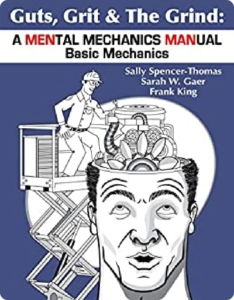
When Laughter Keeps the Lights On: Using Humor to Talk About Mental Health and Suicide
Most people don’t expect to laugh during a mental health or suicide prevention program.
They brace for heaviness. They prepare for statistics, warnings, and stories that land like bricks.
And yet, time after time, I’ve watched something different happen when humor walks into the room first. The shoulders drop. The breathing slows. People lean in instead of checking out.
Humor, used carefully, becomes more than a punchline.
It becomes a lifeline.
Humor as a Bridge, Not a Distraction
In the realm of mental health, humor can be a powerful tool when it’s grounded in respect and lived experience.
It:
Breaks down barriers
Fosters connection
Makes difficult topics feel just safe enough to talk about
When we talk about suicide, depression, or substance use without any relief, people sometimes shut down. The content feels too heavy to hold. Humor doesn’t erase that heaviness, but it can give the audience enough emotional breathing room to stay present.
In sessions where I combine comedy with suicide prevention, I’ve seen how a well‑timed, thoughtful joke can turn a room full of tension into a room willing to listen—and eventually, willing to speak.
Why Humor Matters in Substance Use Conversations
Substance use carries an extra layer of stigma.
People worry about being judged—not just as “struggling,” but as “irresponsible,” “weak,” or “broken.” That fear keeps them silent, even when they know they’re in trouble.
Humor, when used with care, can:
Signal that this is a judgment‑free space
Help people recognize themselves in a story without feeling attacked
Make it easier to say, “Yeah, that’s me,” or “I’ve been there too”
The goal isn’t to joke about addiction or minimize harm.
The goal is to put enough humanity in the room that someone who’s been hiding can finally say, “I need help,” and believe they’ll be met with understanding instead of shame.
Building Psychologically Safe Workplaces With Humor
In workplaces, psychological safety means people feel safe to say things like:
“I’m overwhelmed.”
“I’m not sleeping.”
“I’m worried about how much I’m drinking.”
without fearing they’ll be punished, mocked, or sidelined.
Humor can help build that safety—if it’s used to invite people in, not push them out.
During trainings, I use humor to:
Name the awkwardness everyone is already feeling
Tell the truth about my own struggles in a way people can digest
Show that you can talk about hard things without falling apart
That emotional breathing room makes it easier for employees to raise their hands, ask questions, and practice conversations they might someday need to have with a coworker—or themselves.
Humanizing the Messenger
When I share my story as a suicide loss survivor and someone who lives with mental health challenges, humor is one of the ways I stay honest without drowning the room.
It allows me to say:
“Here’s how bad it got.”
“Here’s what didn’t help.”
“Here’s what finally did.”
in a way that keeps people engaged rather than overwhelmed.
Humor reminds audiences that I’m not there as a distant expert dropping advice from a safe distance.
I’m there as a human being, standing in front of them with my own scars, using laughter as a way to say, “If I can talk about this, maybe you can too.”
The Real Goal: Stigma Down, Support Up
At the end of the day, humor is not the point.
The point is:
Reducing stigma
Increasing honest conversations
Making help‑seeking feel safe and normal
Humor is simply one of the most effective tools I’ve found to get us there.
When we use it wisely, we can:
Transform silence into dialogue
Turn mandatory trainings into meaningful conversations
Help people see that talking about mental health and suicide is a sign of strength, not failure
In a world where too many people still suffer in silence, a well‑timed laugh can be the difference between someone staying in the room and someone checking out—mentally or physically.
FAQs: Humor, Mental Health, and Suicide Prevention
H3: Is it really appropriate to use humor when talking about suicide?
Yes—when it’s done carefully. The humor should never target people who struggle or make light of their pain. It should focus on shared human experience, absurd systems, or our own missteps, and always move the conversation toward safety and support.
H3: Can humor minimize the seriousness of mental health issues?
It can, if it’s used poorly. When used well, humor actually highlights seriousness by making it easier to stay engaged. It opens doors rather than dismissing what people are going through.
H3: Why does humor help in workplace trainings?
Humor lowers anxiety, makes people feel less defensive, and keeps attention on the content. When people are less tense, they’re more willing to ask questions, challenge stigma, and remember key messages.
H3: Is humor helpful in substance‑use discussions?
Yes—if it’s respectful. It can help people see themselves in a story without feeling attacked and can reduce the shame that keeps them from seeking help.
H3: Do you have to be a comedian to use humor in these conversations?
Not at all. You just need to be human, honest, and careful. A small, thoughtful moment of levity—a story, a self‑aware comment—can go a long way.
25 Booking FAQs – Humor, Suicide Prevention, and Workplace Mental Health
These FAQs are designed for meeting planners, HR leaders, safety professionals, and speakers bureaus considering a keynote or workshop that uses humor to address suicide prevention and mental health.
H3: Speaking Topics & Audience Impact
What is the main focus of your humor‑based suicide prevention program?
The program combines storytelling, lived experience, and humor to reduce stigma, teach practical suicide‑prevention skills, and create psychologically safe workplaces.
Who is the ideal audience?
Corporate teams, frontline workers, leaders, healthcare staff, first responders, educators—any group that needs to talk about mental health but feels awkward or resistant.
What are the primary learning objectives?
Participants learn why humor can be a safe entry point, how to spot warning signs, how to start tough conversations, and how to support colleagues toward help.
How does humor fit into serious topics like suicide and substance use?
Humor is used to lower defenses and humanize the message—not to make light of pain. It’s always paired with clear, evidence‑aligned guidance and resources.
What outcomes can organizations expect?
Greater engagement in training, reduced stigma, more open dialogue about mental health, and increased comfort with help‑seeking and peer support.
H3: Customization & Fit
Can the content be customized for specific industries (e.g., construction, healthcare, law enforcement)?
Yes. Stories, examples, and language are tailored to each industry’s culture, stressors, and risk factors.
Can you incorporate our organization’s policies and resources?
Absolutely. With advance information, your EAP, crisis lines, and internal supports are woven directly into the session.
Do you adjust tone based on audience (leaders vs. frontline, mixed groups, etc.)?
Yes. Sessions for leaders emphasize culture and accountability; frontline sessions focus on peer support and practical tools.
Can you present for high‑risk groups with recent losses?
Yes, with extra care. The tone can be moderated to emphasize healing, postvention, and hope, using humor gently and only where appropriate.
Do you work with international or multi‑cultural audiences?
Yes. Humor and content are adapted to respect cultural norms and diverse lived experiences.
H3: Format & Delivery
What formats do you offer (keynote, workshop, breakout)?
Keynotes, plenaries, 60–90‑minute workshops, breakout sessions, and virtual presentations.
How long is a typical keynote?
Most keynotes run 45–60 minutes, with optional Q&A.
Are your sessions interactive?
Yes. Engagement can include polls, reflection prompts, brief discussions, and Q&A, depending on the format.
Do you offer virtual programs?
Yes. Virtual sessions can be delivered via Zoom, Teams, or the platform of your choice.
Can you provide follow‑up sessions or series?
Follow‑up modules are available to deepen skills and support ongoing culture change.
H3: Safety, Sensitivity, and Support
How do you make sure humor stays respectful?
All humor is vetted to avoid punching down or glamorizing harm. The focus is always on shared humanity and systems, not mocking individuals or conditions.
Do you use content warnings?
Yes. A brief advisory is provided so participants know suicide and mental health will be discussed.
What if someone becomes distressed during the session?
We coordinate with your internal supports ahead of time and direct participants to those resources if they need to step out or talk to someone.
Do you align with safe‑messaging guidelines for suicide?
Yes. Language and content follow established guidelines to avoid contagion and focus on hope, help, and recovery.
Can this training be used for continuing education or compliance?
Often yes, depending on your accrediting body. Content can be mapped to CE or compliance requirements; accreditation is managed by the host.
H3: Fees, Logistics, and Booking
What are your speaking fees?
Fees vary based on format (keynote vs. workshop), length, and travel. A transparent quote is provided after a brief discovery call.
Are there discounts for nonprofits or public agencies?
Yes. Reduced rates or package pricing may be available for nonprofits, associations, and multi‑event contracts.
What AV setup is required for in‑person events?
Typically a microphone, projector, screen, and audio; smaller rooms may need only basic sound.
How far in advance should we book?
Most clients book 3–6 months ahead, especially for awareness months and conference seasons.
How do we start the booking process?
Reach out via the website or email to schedule a planning call, discuss audience and goals, and confirm dates and logistics.
JSON‑LD Article Schema
json<script type="application/ld+json"> { "@context": "https://schema.org", "@type": "Article", "headline": "When Laughter Keeps the Lights On: Using Humor to Talk About Mental Health and Suicide", "description": "A compassionate, practical look at how carefully used humor can reduce stigma, create psychologically safe workplaces, and support suicide prevention conversations.", "author": { "@type": "Person", "name": "Frank King" }, "articleSection": [ "Humor and mental health", "Suicide prevention speaking", "Workplace psychological safety", "Substance use and stigma" ], "keywords": [ "humor in mental health", "suicide prevention speaker", "psychological safety at work", "substance use stigma", "mental health comedy" ] } </script>
JSON‑LD FAQPage Schema
json<script type="application/ld+json"> { "@context": "https://schema.org", "@type": "FAQPage", "mainEntity": [ { "@type": "Question", "name": "Is it appropriate to use humor when talking about suicide?", "acceptedAnswer": { "@type": "Answer", "text": "Yes, when humor is used carefully and respectfully. It should never mock people who struggle, but instead ease tension, encourage engagement, and open the door to honest conversation." } }, { "@type": "Question", "name": "How does humor help reduce mental health stigma?", "acceptedAnswer": { "@type": "Answer", "text": "Humor lowers defenses and makes difficult topics feel more approachable, helping people stay in the conversation long enough to learn, reflect, and consider seeking help." } }, { "@type": "Question", "name": "Can humor be used in discussions about substance use?", "acceptedAnswer": { "@type": "Answer", "text": "When used respectfully, humor can help people recognize themselves in a story without feeling shamed, making it easier to admit they need support." } }, { "@type": "Question", "name": "How does humor support psychologically safe workplaces?", "acceptedAnswer": { "@type": "Answer", "text": "Humor can reduce fear and awkwardness, making it easier for employees to talk about stress, burnout, or suicidal thoughts without feeling judged." } }, { "@type": "Question", "name": "Do you need to be a comedian to use humor in suicide prevention?", "acceptedAnswer": { "@type": "Answer", "text": "No. Anyone can use small, thoughtful moments of levity—like self-aware stories or observations—to make difficult conversations more human and less intimidating." } } ] } </script>
If you’d like, I can now tailor this same article for a specific audience—like dental teams, construction crews, or first responders—using their language and scenarios.

Make a Quick Call