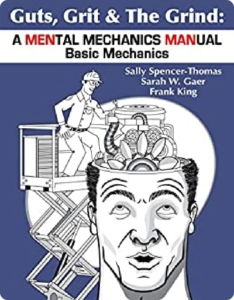
Humor can be a lifeline in the middle of a behavioral emergency—not because it makes pain funny, but because it makes hard conversations human. This blog post explores how thoughtful, trauma‑informed humor can help clinicians talk about suicide risk, support each other after a loss, and stay well enough to keep doing lifesaving work, including at events like the 2026 National Update on Behavioral Emergencies Conference.[ppl-ai-file-upload.s3.amazonaws]
Using Humor to Build Safer Suicide Prevention Conversations
In high‑stakes settings like emergency departments and crisis units, suicide prevention can feel like working on a skyscraper in a windstorm. The stakes are high, the timeline is tight, and one misstep can have serious consequences. Humor, used carefully, can act like scaffolding: it doesn’t replace safety protocols, but it helps hold everything together while people do the hard work.[ppl-ai-file-upload.s3.amazonaws]
When clinicians sit through yet another mandatory training, they often brace for impact—dense slides, grim statistics, and very little room for emotion. Add a small, well‑placed joke, an honest story, or a self‑deprecating moment, and the room shifts. Shoulders drop. People exhale. Now they’re ready to listen, learn, and admit where they’re struggling.[ppl-ai-file-upload.s3.amazonaws]
Why Humor Belongs in Suicide Prevention Training
Humor, when grounded in empathy, can:
Lower anxiety so people can stay present during difficult content
Build trust between presenter and participants
Make key skills and phrases easier to remember
Normalize the reality that even experienced clinicians can feel overwhelmed by suicide risk[ppl-ai-file-upload.s3.amazonaws]
At the 2026 National Update on Behavioral Emergencies Conference, this is the heart of the message: we can teach suicide prevention in a way that is serious about safety and still light enough for humans to carry.[ppl-ai-file-upload.s3.amazonaws]
Turning “One More Training” into a Lifesaving Skill‑Build
Many clinicians know the guidelines but still feel a knot in their stomach when they ask directly about suicide. What if the patient says “yes”? What if they say “no” but mean “yes”? What if they don’t know what to do next?[ppl-ai-file-upload.s3.amazonaws]
By weaving humor into role‑plays, real‑world stories, and sample scripts, training can:
Model how to ask direct questions without sounding robotic
Show how to recover gracefully when a conversation goes sideways
Highlight common errors in a way that invites learning instead of shame[ppl-ai-file-upload.s3.amazonaws]
Instead of walking away feeling scolded or inadequate, participants leave with phrases they can actually use, the confidence to try them, and the sense that they’re not the only ones who sometimes feel unsure.[ppl-ai-file-upload.s3.amazonaws]
Humor as a Support Beam in Postvention
After a suicide or serious attempt, teams often feel like a building that’s taken a hit. There may be grief, guilt, anger, and fear—plus the unspoken rule to “get back to work.” Postvention isn’t a luxury; it’s structural repair.[ppl-ai-file-upload.s3.amazonaws]
In those debriefings and support meetings, gentle humor can:
Acknowledge the absurdity of some system pressures without dismissing pain
Help staff share stories and emotions they might otherwise bottle up
Reinforce the message that needing help after a loss is normal, not a weakness[ppl-ai-file-upload.s3.amazonaws]
The goal isn’t to joke about tragedy. It’s to create enough psychological breathing room for people to talk honestly, remember they’re human, and reconnect with the purpose that brought them into this work in the first place.[ppl-ai-file-upload.s3.amazonaws]
Practical Ways to Add Humor Without Adding Risk
Think of humor in suicide prevention as a set of safety‑checked tools, not party tricks. Effective strategies include:
Story‑based humor: Sharing real‑life moments where a misstep became a lesson
Process, not patient, jokes: Laughing at paperwork, bureaucracy, or personal quirks—not at people in crisis
Self‑deprecation with purpose: Owning past mistakes or awkward moments to normalize learning curves
Hope‑based punchlines: Ending stories on themes of connection, recovery, or “we figured it out together”[ppl-ai-file-upload.s3.amazonaws]
Each of these keeps the spotlight on systems, learning, and resilience—not on mocking suffering or minimizing risk.[ppl-ai-file-upload.s3.amazonaws]
FAQs: Humor, Suicide Prevention, and Behavioral Emergencies
H3: Is it ever appropriate to joke about suicide itself?
No. Humor should never target suicidal thoughts, suicide attempts, or people who struggle. It can, however, appear around the edges of stories that emphasize hope, recovery, and the very human realities of working in behavioral emergencies.[ppl-ai-file-upload.s3.amazonaws]
H3: How can humor make training more effective?
Humor keeps people engaged, reduces emotional overload, and makes key concepts—like how to ask about suicide or how to safety plan—more memorable. Participants are more likely to practice and retain skills when they feel safe and emotionally regulated.[ppl-ai-file-upload.s3.amazonaws]
H3: What if someone in the room has a recent loss or trauma?
Trauma‑informed humor assumes that someone has. That means avoiding graphic details, checking in with the audience, offering opt‑out options, and pairing any light moment with clear validation and support resources.[ppl-ai-file-upload.s3.amazonaws]
H3: Can humor help clinicians cope with burnout and compassion fatigue?
Yes—when it’s respectful and balanced. Shared laughter can strengthen team bonds, reduce isolation, and remind clinicians that they’re more than their caseloads, which in turn can reduce burnout and secondary traumatic stress.[ppl-ai-file-upload.s3.amazonaws]
H3: How does this connect to workplace culture change?
When leaders model healthy, appropriate humor alongside clear policies and strong clinical practice, it signals that the organization values both safety and humanity. Over time, this can shift culture from “hold it all in” to “we can talk about the hard stuff together.”[ppl-ai-file-upload.s3.amazonaws]
25 Booking FAQs for Meeting Planners and Event Organizers
Below are booking‑ready FAQs tailored to conferences, hospitals, and behavioral health organizations interested in a keynote or workshop on humor and suicide prevention in behavioral emergencies.[ppl-ai-file-upload.s3.amazonaws]
H3: Speaking Topics & Audience Impact
What is the main topic of your presentation at the National Update on Behavioral Emergencies Conference?
The session focuses on how trauma‑informed humor can enhance suicide prevention training, support postvention efforts, and improve communication with patients and teams in high‑stress clinical settings.[ppl-ai-file-upload.s3.amazonaws]
Who is the ideal audience for this program?
Emergency clinicians, psychiatrists, psychologists, social workers, nurses, crisis workers, and leaders in behavioral health systems who are involved in suicide risk management and staff support.[ppl-ai-file-upload.s3.amazonaws]
What are the primary learning objectives?
Participants learn how to integrate appropriate humor into suicide prevention training, navigate difficult conversations about suicide risk, and use humor to support colleagues after critical incidents.[ppl-ai-file-upload.s3.amazonaws]
How will this presentation benefit our staff and patients?
Staff gain practical language and tools, experience reduced anxiety around suicide conversations, and feel more supported—leading to more confident interventions and better patient experiences.[ppl-ai-file-upload.s3.amazonaws]
Does the presentation include evidence‑based frameworks?
Yes. The content aligns with current suicide prevention best practices and integrates lived experience perspectives with established clinical guidelines.[ppl-ai-file-upload.s3.amazonaws]
H3: Customization & Program Design
Can you tailor the talk for our specific setting (ED, inpatient, crisis, etc.)?
Absolutely. Examples, language, and scenarios can be customized for emergency departments, inpatient units, crisis lines, or outpatient behavioral health teams.[ppl-ai-file-upload.s3.amazonaws]
Can you address organization‑specific policies or protocols?
With advance coordination, the presentation can reference your protocols, documentation requirements, and local resources to reinforce consistent practice.[ppl-ai-file-upload.s3.amazonaws]
Do you offer different program lengths?
Yes. Options include a 60‑minute keynote, 90‑minute workshop, or half‑day training, with content scaled to match depth and interactivity needs.[ppl-ai-file-upload.s3.amazonaws]
Can you incorporate small‑group exercises or role‑plays?
Yes. Interactive components can be added to help participants practice language, explore case scenarios, and debrief in a safe, structured way.[ppl-ai-file-upload.s3.amazonaws]
Do you provide follow‑up materials or implementation tools?
Participants receive handouts, key phrases, reflection questions, and suggestions for integrating humor into existing training and debriefing structures.[ppl-ai-file-upload.s3.amazonaws]
H3: Tone, Safety, and Risk Management
How do you ensure the humor is appropriate for a clinical audience?
All humor is vetted through a trauma‑informed lens: no graphic content, no joking about patients, and a consistent emphasis on respect, dignity, and safety.[ppl-ai-file-upload.s3.amazonaws]
What if our organization has recently experienced a suicide?
The program can be adapted to acknowledge recent events with extra care, focusing more on postvention, staff support, and healing while still offering hopeful, gentle humor.[ppl-ai-file-upload.s3.amazonaws]
Are there content warnings provided?
Yes. A brief advisory at the start explains that suicide and behavioral emergencies will be discussed in a supportive, non‑graphic, and hopeful way.[ppl-ai-file-upload.s3.amazonaws]
How do you handle audience members who become distressed?
We coordinate with onsite support (EAP, crisis team, or peer supporters), normalize stepping out, and encourage attendees to seek support during and after the session.[ppl-ai-file-upload.s3.amazonaws]
Is the presentation aligned with our organizational risk policies?
The session is designed to complement, not contradict, risk management policies, and can be reviewed by your clinical leadership beforehand.[ppl-ai-file-upload.s3.amazonaws]
H3: Logistics & Delivery
Do you offer both in‑person and virtual presentations?
Yes. Programs can be delivered on‑site or via secure virtual platforms, with content adapted for each format.[ppl-ai-file-upload.s3.amazonaws]
What AV setup is required?
For in‑person events: projector, screen, sound, and microphone. For virtual events: stable internet, platform access, and a host or tech support contact.[ppl-ai-file-upload.s3.amazonaws]
Can you present multiple sessions in one day?
Yes. Multiple sessions can be scheduled for different shifts or departments, often at a reduced per‑session rate.[ppl-ai-file-upload.s3.amazonaws]
Do you collaborate with our internal trainers or educators?
Collaboration with educators, medical directors, or training departments is encouraged to ensure continuity with existing curricula.[ppl-ai-file-upload.s3.amazonaws]
How far in advance should we book?
Many organizations book 3–6 months ahead, especially for major conferences or awareness months. Rush bookings may be possible depending on availability.[ppl-ai-file-upload.s3.amazonaws]
H3: Fees, Contracts, and Next Steps
What are your standard speaking fees?
Fees depend on program length, format, and travel requirements; a transparent quote is provided after a brief discovery call.[ppl-ai-file-upload.s3.amazonaws]
Are discounts available for nonprofits or public agencies?
Yes. Reduced rates or bundled pricing may be available for qualifying organizations and multi‑event contracts.[ppl-ai-file-upload.s3.amazonaws]
What is your travel and lodging policy?
Travel and lodging are typically arranged by the host or reimbursed according to the agreement; details are outlined clearly in the contract.[ppl-ai-file-upload.s3.amazonaws]
Do you work with speakers bureaus and third‑party planners?
Yes. The program can be booked directly or through a bureau, with flexible coordination to fit existing planning workflows.[ppl-ai-file-upload.s3.amazonaws]
How do we start the booking process?
Submit an inquiry through the website or via email, and we’ll schedule a short call to confirm goals, audience, logistics, and the scope of the engagement.[ppl-ai-file-upload.s3.amazonaws]
JSON‑LD Article Schema
json<script type="application/ld+json"> { "@context": "https://schema.org", "@type": "Article", "headline": "Humor on the Front Lines: Using Laughter to Strengthen Suicide Prevention in Behavioral Emergencies", "description": "A compassionate, practical guide to integrating trauma-informed humor into suicide prevention training, clinical conversations, and postvention support for behavioral health teams.", "author": { "@type": "Person", "name": "Frank King" }, "articleSection": [ "Suicide prevention", "Behavioral emergencies", "Clinical training", "Healthcare workforce well-being" ], "keywords": [ "suicide prevention training", "behavioral emergencies conference", "humor in healthcare", "clinician wellness", "postvention support" ] } </script>
JSON‑LD FAQPage Schema
json<script type="application/ld+json"> { "@context": "https://schema.org", "@type": "FAQPage", "mainEntity": [ { "@type": "Question", "name": "Is it ever appropriate to joke about suicide itself?", "acceptedAnswer": { "@type": "Answer", "text": "Humor should never target suicidal thoughts, suicide attempts, or people who struggle. It can be used around the edges of stories that emphasize hope, recovery, and learning." } }, { "@type": "Question", "name": "How can humor make suicide prevention training more effective?", "acceptedAnswer": { "@type": "Answer", "text": "Humor reduces anxiety, increases engagement, and makes key skills and phrases easier to remember, helping clinicians stay present for difficult content and conversations." } }, { "@type": "Question", "name": "Can humor be used after a suicide or serious attempt?", "acceptedAnswer": { "@type": "Answer", "text": "Gentle, respectful humor can help teams process grief and stress in postvention settings, as long as it never minimizes loss and is paired with validation and support." } }, { "@type": "Question", "name": "What makes humor trauma-informed in behavioral emergencies?", "acceptedAnswer": { "@type": "Answer", "text": "Trauma-informed humor avoids graphic detail and jokes about patients, centers empathy and safety, and gives people permission to step back if they are distressed." } }, { "@type": "Question", "name": "How does this approach support clinician well-being?", "acceptedAnswer": { "@type": "Answer", "text": "Used well, humor strengthens connection, reduces isolation, and offers emotional relief, helping clinicians cope with burnout and compassion fatigue while staying grounded in their mission." } } ] } </script>
Would you like this blog post localized for a specific city, system, or conference (for example, referencing Portland or a particular health network) to strengthen your GEO and audience targeting?

Make a Quick Call