
**SEO Title** Under the Surface: Suicide Prevention, Mental Health, and Toolbox Talks for Construction
**Meta Description (≤160 characters)** Construction workers face suicide rates several times the national average. Learn how simple check‑ins, stories, and toolbox talks can save lives on the job. [agc](https://www.agc.org/mental-health-suicide-prevention)
***
## The Risks You Can’t See From the Jobsite
On a construction site, the obvious dangers are easy to spot—heavy equipment, heights, rebar, weather. But the most dangerous hazards are often the ones no one sees or talks about: depression, substance use, and suicidal thoughts. The data are stark: male construction workers die by suicide at a rate roughly four times higher than the general population, and several times higher than many other industries. [preventconstructionsuicide](https://www.preventconstructionsuicide.com)
I grew up in a family where jokes were our first language and depression and suicide were topics we never named. Later, as a comic on the road, I learned an uncomfortable truth: the people who look the strongest on the outside can be hanging on by a thread inside. That’s true in comedy, and it’s just as true in construction.
***
## Why Construction Workers Are at Higher Risk
Construction is a proud, practical industry: you build, you fix, and you don’t complain. That mindset gets projects done—but it can also hide real pain. Research and industry reports highlight several overlapping risk factors:
– Suicide rates in construction rank among the very highest of any U.S. occupation, often second only to mining and oil and gas extraction. [buildwcg](https://www.buildwcg.com/blog-posts/construction-worker-mental-health-crisis-2025) – Nearly two‑thirds of construction workers surveyed recently reported experiencing anxiety or depression in the past year, with stigma and fear blocking many from seeking help. [nami](https://www.nami.org/in-the-news/study-shows-depression-on-the-rise-among-construction-workers/) – Long hours, job insecurity, chronic pain, frequent travel, and separation from family increase stress and isolation. [mates.net](https://mates.net.nz/wp-content/uploads/2025/09/2025-Construction-Industry-Well-being-Survey-Supported-by-ASB-Exec-Summary-and-Recommendations.pdf) – Alcohol and opioid use—often starting as pain management or stress relief—can slowly become part of the problem. [pmc.ncbi.nlm.nih](https://pmc.ncbi.nlm.nih.gov/articles/PMC12631502/)
The hardest part is that most people don’t speak up until they are near the breaking point. After a suicide or serious attempt, co‑workers often ask, “Why didn’t I see it?” or “Why didn’t he say anything?”
***
## Treat Mental Health Like Any Other Jobsite Hazard
Mental health is safety. It’s leadership. It’s a hazard you can actually do something about—if you treat it like you treat fall protection or lockout/tagout. Industry groups have already started creating suicide‑prevention toolbox talks and guides specifically for construction, showing that the culture is beginning to change. [preventconstructionsuicide](https://www.preventconstructionsuicide.com/toolbox-talks)
Practical steps you can take:
– **Start with small moments** – Add short mental‑health and suicide‑prevention topics into weekly toolbox talks using construction‑specific materials. [healthyworkcenter.wustl](https://healthyworkcenter.wustl.edu/for-employers/suicide-awareness-prevention-toolbox-talks/) – Ask open questions: “Anyone else feeling the strain after these last few weeks?”
– **Train foremen and supers to spot warning signs** – Red flags include changes in mood, more conflict, showing up late, working less safely, heavy drinking, or talking about feeling “done” or like a burden. [buildwcg](https://www.buildwcg.com/blog-posts/construction-worker-mental-health-crisis-2025) – Give leaders simple, direct language to start a conversation and clear steps for what to do next. [suicide-stops-here](https://www.suicide-stops-here.org/toolbox-talks/)
– **Make support easy to find** – Share EAP numbers, union assistance programs, local clinics, 988, and other helplines in safety meetings, pay envelopes, posters, and apps. [agc](https://www.agc.org/mental-health-suicide-prevention) – Offer options that work for people on the road: phone, text, tele‑health, and online resources.
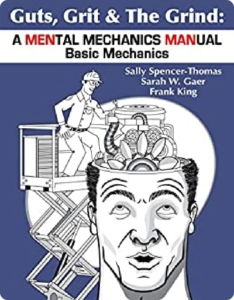
– **Use stories and humor to open the door** – When someone says, “Yeah, I’ve been there too,” it changes the whole crew’s permission to speak. – Resources like the *Guts, Grit & The Grind – A MENtal Mechanics MANual* show how real stories and practical tools can help men talk about stress and suicidal thinking without feeling alone. [gutsgritgrind](https://www.gutsgritgrind.com/media/2020/2/25/press-release-new-book-on-mens-mental-health-launches-today-guts-grit-amp-the-grind-a-mental-mechanics-manual)
You don’t have to turn every pre‑job meeting into group therapy. You just have to make it normal to notice the cracks—and normal to do something about them.
***
## Building a “MENtal Mechanics” Toolbox on Site
In the *MENtal Mechanics MANual* series, we talk about building a toolbox that’s not just for fixing structures but for keeping ourselves and our brothers standing. On a construction site, that toolbox might include: [pesi](https://www.pesi.com/item/a-mental-mechanics-manual-advanced-mechanics-green-170455)
– **Knowledge of warning signs** – Changes in behavior, talk about hopelessness, giving away possessions, or saying goodbye. [pmc.ncbi.nlm.nih](https://pmc.ncbi.nlm.nih.gov/articles/PMC12631502/)
– **A written crisis plan** – Who you’ll call if you’re in trouble; who a foreman calls when he’s worried about someone on the crew; how to involve emergency services or crisis lines. [askearn](https://askearn.org/event/suicide-prevention-in-the-workplace)
– **Peer‑support mindset** – Remembering that asking, “You doing okay?” and then listening for the *real* answer may be the most important work you do all day.
Construction already knows how to build things that last. Applying that mindset to mental health means noticing every stress point and crack—then reinforcing it instead of pretending it isn’t there.
***
## Keyword Strategy (SEO + AEO)
**Primary keyword** – construction worker mental health and suicide prevention [constructionsuicideprevention](https://constructionsuicideprevention.com/2025-stand-down/)
**Secondary keywords**
– suicide prevention in the workplace speaker for construction – toolbox talks on mental health and suicide prevention – MENtal Mechanics MANual men’s mental health tools – psychological safety for construction crews and contractors [preventconstructionsuicide](https://www.preventconstructionsuicide.com/toolbox-talks)
**Long‑tail keywords**
– suicide prevention in the workplace speaker for highway and commercial construction companies in Oregon and the Pacific Northwest – how to add suicide‑prevention toolbox talks to construction safety meetings – mental health and substance use awareness training for foremen, supers, and crew leads – MENtal Mechanics MANual‑inspired men’s mental health and resilience keynote for construction workers – mental health comedian and suicide prevention speaker for construction safety stand‑downs and AGC events [bizjournals](https://www.bizjournals.com/portland/news/2026/05/01/construction-industry-growing-focus-mental-health.html)
Use these keywords in your title, first paragraph, headings, internal links, image alt text, and JSON‑LD metadata to support SEO and answer‑engine visibility. [wonderws](https://wonderws.com/aeo-for-healthcare-providers-2026/)
***
## GEO and AI Search Visibility Enhancements
To help local and AI search surface this content for the right people:
– Reference real locations and audiences: – “crews and contractors across Oregon and the Pacific Northwest, from Portland and Eugene to Seattle, Spokane, and rural highway projects.” [bizjournals](https://www.bizjournals.com/portland/news/2026/05/01/construction-industry-growing-focus-mental-health.html) – Mention industry organizations and events: – “state AGC chapters, road‑builder associations, asphalt pavement associations, DOT contractors, and construction safety stand‑downs focused on suicide prevention.” [constructionsuicideprevention](https://constructionsuicideprevention.com/2025-stand-down/) – Include a brief resource box: – 988 Suicide & Crisis Lifeline, Crisis Text Line, company EAP contacts, union support programs, and construction‑specific mental‑health initiatives like CIASP and regional campaigns. [preventconstructionsuicide](https://www.preventconstructionsuicide.com) – Use natural voice‑search phrases: – “construction mental health and suicide prevention keynote speaker,” – “toolbox talks for suicide prevention on construction sites,” – “how to talk to a co‑worker about suicide in construction.” [healthyworkcenter.wustl](https://healthyworkcenter.wustl.edu/for-employers/suicide-awareness-prevention-toolbox-talks/)
***
## AEO‑Friendly FAQ for Construction Leaders & Planners
**1. How high is the suicide risk in construction?** Recent CDC and industry data show male construction workers dying by suicide at roughly four times the rate of the general population, placing the industry among the highest‑risk sectors. [facebook](https://www.facebook.com/AFSP.IL/posts/construction-workers-face-a-suicide-rate-nearly-five-times-higher-than-the-gener/1335616958593052/)
**2. Why are construction workers at such high risk?** Factors include long hours, job insecurity, seasonal work, physical pain, substance use, tough‑it‑out culture, and limited access to consistent mental‑health resources. [nami](https://www.nami.org/in-the-news/study-shows-depression-on-the-rise-among-construction-workers/)
**3. What warning signs might show up on a jobsite?** Warning signs can include mood changes, anger, withdrawal, unsafe behavior, heavy drinking or drug use, talk about being “done,” or giving away tools and personal items. [buildwcg](https://www.buildwcg.com/blog-posts/construction-worker-mental-health-crisis-2025)
**4. Will talking about suicide with crews put ideas in their heads?** No. When handled with safe, non‑graphic language and paired with resources, talking openly about suicide does not increase risk; it brings hidden distress into the open. [suicide-stops-here](https://www.suicide-stops-here.org/toolbox-talks/)
**5. What are suicide‑prevention toolbox talks?** They are short, job‑site‑ready discussions—often 5–10 minutes—designed to raise awareness, reduce stigma, teach warning signs, and guide workers to support. [preventconstructionsuicide](https://www.preventconstructionsuicide.com/toolbox-talks)
**6. How can foremen and supervisors support mental health?** They can notice changes in behavior, start simple check‑ins, use supportive language, and know exactly where to refer co‑workers for professional help. [healthyworkcenter.wustl](https://healthyworkcenter.wustl.edu/for-employers/suicide-awareness-prevention-toolbox-talks/)
**7. What is the MENtal Mechanics MANual?** *Guts, Grit & The Grind – A MENtal Mechanics MANual* is a men’s mental‑health book series that uses stories and practical tools to help men understand and manage mental‑health crises. [gutsgritgrind](https://www.gutsgritgrind.com/media/2022/4/15/new-book-offers-men-10-tips-to-cope-with-mental-health-emergencies)
**8. How can companies incorporate MENtal Mechanics ideas on site?** They can use the toolbox metaphor in training, discuss real‑life stories (with permission), and encourage workers to build their own mental‑health “toolbox” of coping skills and contacts. [gutsgritgrind](https://www.gutsgritgrind.com/media/2020/2/25/press-release-new-book-on-mens-mental-health-launches-today-guts-grit-amp-the-grind-a-mental-mechanics-manual)
**9. Are union and non‑union workers both included in these efforts?** Yes. Suicide risk cuts across union lines; both union and open‑shop employers have roles in promoting mental‑health resources and training. [agc](https://www.agc.org/mental-health-suicide-prevention)
**10. What should a crew do if someone seems in immediate danger?** Stay with the person, ask directly about suicide, remove access to immediate means if safe, contact emergency services or 988, and follow your company’s crisis protocol. [theactionalliance](https://theactionalliance.org/resource/managers-guide-suicide-postvention-workplace-10-action-steps-dealing-aftermath-suicide)
**11. Why bring in a suicide‑prevention speaker for construction?** A sector‑savvy speaker can use humor and lived experience to break stigma, share construction‑specific data, and teach practical language and steps crews can use. [gutsgritgrind](https://www.gutsgritgrind.com/media/2022/4/15/new-book-offers-men-10-tips-to-cope-with-mental-health-emergencies)
**12. How long are typical construction mental‑health keynotes and workshops?** Keynotes generally run 45–60 minutes, with workshops of 60–90 minutes or half‑day to fit around shifts, rain days, or safety stand‑downs.
**13. Are virtual or hybrid options realistic for distributed job sites?** Yes. Virtual sessions can reach multiple projects at once; recordings can be used for future crews, with live Q&A where possible.
**14. How do we make sure resources are used, not ignored?** Leaders must mention them often, share stories of times they’ve used support, and make it clear that seeking help will be met with respect, not ridicule. [nami](https://www.nami.org/in-the-news/study-shows-depression-on-the-rise-among-construction-workers/)
**15. Can families be involved in mental‑health efforts?** Yes. Providing education and resources to partners and families helps them recognize warning signs at home and know where to turn for help. [mates.net](https://mates.net.nz/wp-content/uploads/2025/09/2025-Construction-Industry-Well-being-Survey-Supported-by-ASB-Exec-Summary-and-Recommendations.pdf)
**16. How can small contractors get started with limited budgets?** They can adopt free toolbox‑talk materials, post hotline numbers, create a simple crisis plan, and partner with associations or community organizations for training. [suicide-stops-here](https://www.suicide-stops-here.org/toolbox-talks/)
**17. How do we measure progress on mental‑health initiatives?** Track safety incidents, turnover, absenteeism, EAP usage, and anonymous feedback on culture and psychological safety over time. [mates.net](https://mates.net.nz/wp-content/uploads/2025/09/2025-Construction-Industry-Well-being-Survey-Supported-by-ASB-Exec-Summary-and-Recommendations.pdf)
**18. What is postvention, and does construction need it?** Postvention is support after a suicide or crisis. Construction organizations need clear plans for communication, support, and follow‑up to protect crews and prevent further harm. [theactionalliance](https://theactionalliance.org/resource/managers-guide-suicide-postvention-workplace-10-action-steps-dealing-aftermath-suicide)
**19. Do these programs cover substance use, like alcohol and opioids?** Yes. Substance‑use education and support are central, given their strong connection to injury, pain, and suicide risk in construction. [pmc.ncbi.nlm.nih](https://pmc.ncbi.nlm.nih.gov/articles/PMC12631502/)
**20. Are materials available in multiple languages?** Many toolbox‑talk resources and hotlines offer multilingual options; programs can be tailored with translated handouts and bilingual facilitators. [preventconstructionsuicide](https://www.preventconstructionsuicide.com/toolbox-talks)
**21. What information helps tailor a program to our company?** Useful details include type of work, crew size and languages, union status, recent incidents, schedule patterns, and leadership’s top concerns.
**22. How far in advance should we plan an event?** Association meetings often book 6–12 months ahead; company‑level or virtual sessions can be scheduled more flexibly, especially around safety weeks or stand‑downs.
**23. Can we combine mental‑health training with existing safety events?** Yes. Many companies integrate suicide‑prevention sessions into Safety Week, stand‑downs, or annual safety days for maximum attendance and impact. [constructionsuicideprevention](https://constructionsuicideprevention.com/2025-stand-down/)
**24. What other industries use MENtal Mechanics and similar approaches?** The same toolbox approach is used in law enforcement, first responders, construction, energy, agriculture, and veterinary medicine—anywhere men face high stress and stigma. [pesi](https://www.pesi.com/item/a-mental-mechanics-manual-advanced-mechanics-green-170455)
**25. How can we start booking you as a suicide prevention in the workplace speaker for construction?** Share your date, location, and audience details; we’ll schedule a short call, map out your goals, and build a custom session that fits your crews, culture, and schedule.
***
## Example JSON‑LD Schema (Article)
“`json { “@context”: “https://schema.org”, “@type”: “Article”, “headline”: “Under the Surface: Suicide Prevention, Mental Health, and Toolbox Talks for Construction”, “description”: “Construction workers face suicide rates several times the national average. This article explains how storytelling, toolbox talks, and practical tools can make mental health part of safety culture.”, “author”: { “@type”: “Person”, “name”: “Frank King” }, “articleSection”: “Construction, suicide prevention, workplace mental health, toolbox talks, MENtal Mechanics MANual”, “about”: [ “construction worker mental health and suicide prevention”, “toolbox talks on suicide prevention in construction”, “MENtal Mechanics MANual men’s mental health tools”, “workplace suicide prevention speaker” ], “keywords”: [ “construction worker mental health and suicide prevention”, “suicide prevention in the workplace speaker for construction”, “toolbox talks on mental health and suicide prevention”, “MENtal Mechanics MANual men’s mental health tools” ], “mainEntityOfPage”: { “@type”: “WebPage”, “@id”: “https://example.com/construction-mental-health-under-the-surface” }, “publisher”: { “@type”: “Organization”, “name”: “The Mental Health Comedian” } } “`