
**SEO Title** From “Me Too” to Culture Change: Suicide Prevention and Mental Health Leadership in Veterinary Medicine
**Meta Description (≤160 characters)** Veterinary leaders can’t ignore mental health. Learn how stories, peer support, and crisis plans protect veterinarians, staff, and students from burnout and suicide.
***
## Why Mental Health Leadership Matters in Veterinary Medicine
Veterinary medicine is built on compassion, precision, and relentless care for animals—and it quietly asks a lot from the humans behind the exam room door. Long hours, emotional cases, debt, perfectionism, and client pressure can combine into a dangerous load, especially when people believe they must stay strong and silent.
As someone living with major depressive disorder and chronic suicidal ideation who now works with high‑risk professions, I’ve seen the cost of that silence up close. The good news: silence is not inevitable. When veterinary leaders take mental health seriously, lives change—and sometimes lives are saved.
***
## The Unique Pressures on Veterinary Professionals
Veterinary professionals face challenges that look different from many other fields. Naming them out loud is the first step in changing them.
Common stressors include:
– Emotional fatigue from end‑of‑life decisions, critical cases, and compassion fatigue. – Client expectations that can swing from gratitude to anger, often in the same day. – Financial strain from student debt, practice ownership, or tight margins. – Perfectionism and fear of mistakes that make it hard to admit struggle. – Stigma and self‑stigma: “If I can’t handle this, maybe I shouldn’t be in vet med.”
These are not personal weaknesses; they are predictable pressures in a demanding profession. When we treat them that way, we can respond with systems, not shame.
***
## Leadership: Where Culture Change Begins
Culture always starts at the top. Deans, program directors, hospital administrators, and practice owners send a message every day—whether they speak about mental health or not.
Leaders can:
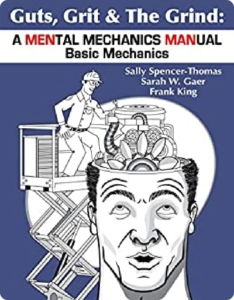
– Acknowledge openly that wellbeing is as essential as clinical excellence. – Share pieces of their own story or struggles, with healthy boundaries, to normalize help‑seeking. – Invite lived‑experience speakers, panels, or book discussions (like **Guts, Grit & The Grind**) to give people language for what they’re already feeling. – Celebrate not just academic or production wins, but also healthy boundaries and use of support resources.
When a respected leader says, “Me too,” walls come down faster than any poster or policy can manage.
***
## Concrete Tools: From Talk to Action
Stories open doors; tools keep them from swinging shut again. Veterinary institutions and practices can bring the same rigor to mental‑health systems that they bring to medicine and surgery.
Key actions:
– **Self‑screening and check‑ins** – Provide simple, private self‑assessment tools for stress, depression, and burnout. – Encourage regular self‑check‑ins during training, staff meetings, or wellness rounds.
– **Peer‑support networks** – Train clinicians, technicians, students, and staff as peer supporters who can listen, normalize, and connect colleagues to professional help. – Ensure clear confidentiality guidelines and referral pathways so peers know their role and limits.
– **Crisis response plans** – Create written protocols for what to do if someone expresses suicidal thoughts or appears at immediate risk. – Clarify who is contacted, how to involve emergency services, and how to follow up with care and respect.
– **Visible resource maps** – Make it easy to find campus counseling, community clinicians who understand veterinary culture, hotlines, and financial‑counseling resources. – Put them in syllabi, onboarding packets, websites, and on the staff room wall—so no one has to ask where to start.
Every time you say, “It’s okay not to be okay here—and here’s exactly who you can talk to, and what happens next,” you trade fear for clarity.
***
## Facing Resistance and Keeping Going
Culture change is slow, and resistance is predictable. You may hear:
– “We’ve tried this; it doesn’t work.” – “We’re veterinarians, not counselors.” – “People will take advantage if we make this a big deal.”
You don’t have to argue anyone into caring. Instead:
– Emphasize that you’re not asking clinicians to become therapists—only to become better colleagues and leaders. – Tie mental health directly to outcomes: retention, performance, safety, and reputation. – Start small: a single lunch‑and‑learn, a pilot peer group, a better after‑hours protocol.
The bravest institutions I’ve worked with did not flip a switch; they stacked small moments—one story, one policy tweak, one faculty meeting where someone finally said, “Me too.”
***
## Keyword Strategy (SEO + AEO)
**Primary keyword** – suicide prevention in the workplace speaker for veterinary medicine
**Secondary keywords**
– veterinary mental health and suicide prevention – wellbeing and resilience for veterinarians and veterinary students – veterinary school mental health leadership and culture change – workplace mental health speaker for veterinary conferences
**Long‑tail keywords**
– suicide prevention in the workplace speaker for veterinary schools and teaching hospitals – mental health and resilience keynote for veterinarians, technicians, and support staff – how veterinary leaders can build peer‑support programs and crisis response plans – mental health awareness training for veterinary faculty, residents, and interns – mental health comedian and suicide prevention speaker for veterinary conferences in Oregon and the Pacific Northwest
Use these phrases in:
– Title / H1 and first paragraph – Sub‑headings (H2/H3) – Image alt text (e.g., “veterinary mental health and suicide prevention keynote speaker”) – Internal links to your veterinary‑focused speaking page – Schema “keywords” and “about” fields
***
## GEO and AI Search Visibility Enhancements
To help local search and AI/voice results match this article to the right readers:
– Name locations and audiences: – “veterinary schools and teaching hospitals in Oregon, Washington, and the Pacific Northwest,” – “small‑animal, mixed‑animal, and large‑animal practices in Portland, Eugene, Corvallis, Seattle, and Spokane.” – Mention organizations and events: – “state veterinary medical associations, regional VMA meetings, AVMA conferences, veterinary‑technician programs, and student wellness committees.” – Include a resource sidebar: – 988 Suicide & Crisis Lifeline, veterinary‑specific support lines, campus counseling centers, local mental‑health providers familiar with vet med, and financial‑counseling resources for student debt. – Use language that mirrors common queries: – “veterinary mental health and suicide prevention keynote speaker,” – “how to reduce suicide risk in veterinary medicine,” – “wellbeing and resilience training for veterinary students and residents.”
These details signal to search engines and AI systems who this is for and where it applies.
***
## AEO‑Friendly FAQ for Veterinary Leaders & Planners
**1. Why is mental health such a concern in veterinary medicine?** Veterinary professionals face high emotional demands, financial stress, long hours, and frequent exposure to loss, all of which can increase risk for depression, burnout, and suicidal thoughts.
**2. What unique pressures do veterinary students and clinicians experience?** They juggle heavy academic or clinical loads, debt, client expectations, perfectionism, and a culture that often rewards self‑sacrifice over self‑care.
**3. How does stigma affect veterinarians and students?** Stigma can make people believe that admitting distress means they are not cut out for the profession. This belief keeps many from seeking help until they are in crisis.
**4. What role do deans and program directors play in mental health?** They set expectations, allocate resources, and model behavior. When leaders talk openly about mental health and support, they legitimize those conversations for everyone else.
**5. How can lived‑experience stories help reduce stigma?** Stories from people who have struggled and sought help show that mental‑health challenges are survivable and that asking for support is compatible with being a good veterinarian or student.
**6. What are self‑screening protocols in this context?** Self‑screening protocols are simple tools—questionnaires, checklists, or digital assessments—that help individuals privately gauge their stress, mood, or burnout and decide if they should seek additional support.
**7. What does a peer‑support network look like in vet med?** It usually involves trained peers—students, residents, faculty, or staff—who listen, normalize common struggles, and connect colleagues to professional help when needed.
**8. Why is a crisis response plan important?** Clear plans help teams respond quickly and consistently when someone expresses suicidal thoughts or appears at serious risk, reducing confusion and protecting both the person and the community.
**9. Do leaders need to be mental‑health professionals to do this work?** No. Leaders need basic literacy about mental health, clear protocols, and a willingness to engage. Their job is to notice, listen, and connect people to qualified support.
**10. How can veterinary schools integrate mental health into training?** They can weave wellbeing into curricula, rounds, and orientation; include mental‑health topics in professionalism or ethics courses; and bring in speakers for grand rounds or retreats.
**11. What can practices do if they have limited time and budget?** Start small: regular check‑ins, visible resource lists, one or two trained peer supporters, and a basic written crisis plan. Culture shifts more from consistency than from big gestures.
**12. Why bring in a suicide prevention in the workplace speaker for veterinary audiences?** A specialized speaker can translate research and lived experience into relatable stories and practical tools, helping teams talk about suicide safely and earlier than they otherwise might.
**13. Can the content be tailored to specific veterinary settings?** Yes. Examples and strategies can be customized for small‑animal practices, large‑animal work, emergency hospitals, academic settings, shelters, or industry roles.
**14. Are there guidelines for speaking about suicide safely in veterinary communities?** Yes. Safe‑messaging guidelines discourage graphic details, glamorization, or simplistic causes, and emphasize hope, recovery, and resources.
**15. How long are typical keynotes or workshops for veterinary groups?** Keynotes are usually 45–60 minutes, with options for longer workshops focused on peer support, crisis planning, or leadership strategy.
**16. Are virtual events effective for geographically spread practices?** Virtual keynotes and trainings can reach clinics, hospitals, and schools across multiple regions while still allowing Q&A and discussion.
**17. How can leaders measure progress on mental‑health culture?** They can track survey data on wellbeing and belonging, use focus groups, monitor retention and leave patterns, and review use of counseling or support resources.
**18. What should institutions do after a suicide or serious attempt?** Follow a postvention plan that includes sensitive communication, support for those most affected, coordination with mental‑health professionals, and a review of policies and culture.
**19. Can families and partners be included in mental‑health initiatives?** Yes. Including partners in education and resource sharing acknowledges their critical role and helps extend support beyond the clinic or campus.
**20. How does focusing on mental health impact the future of the profession?** It supports retention, reduces burnout‑related exits, and helps ensure that talented people can sustain long, healthy careers in veterinary medicine.
**21. Are student and intern audiences appropriate for this content?** Absolutely. Early exposure to realistic conversations about stress and support equips future veterinarians to navigate the profession more safely.
**22. How do you handle sensitive topics like suicide without triggering listeners?** By using non‑graphic language, focusing on coping and recovery, reminding audiences about resources, and inviting people to step out or seek support if needed.
**23. What information helps tailor a program to a specific veterinary institution?** Useful details include size and type of program, recent losses or initiatives, existing wellness resources, and leadership’s top concerns and goals.
**24. How far ahead should veterinary organizations plan a mental‑health keynote or series?** Major conferences often plan 6–12 months ahead; school‑ or practice‑level events and virtual sessions may be scheduled with shorter lead times.
**25. How can we begin booking you as a suicide prevention in the workplace speaker for veterinary medicine?** Reach out with your date, location, and audience; we’ll schedule a brief call to clarify your goals, then craft a customized proposal to support your clinicians, staff, and students.
***
## Example JSON‑LD Schema (Article)
“`json { “@context”: “https://schema.org”, “@type”: “Article”, “headline”: “From ‘Me Too’ to Culture Change: Suicide Prevention and Mental Health Leadership in Veterinary Medicine”, “description”: “Veterinary professionals face intense emotional and financial pressures. This article explains how leaders can use stories, peer support, and crisis plans to reduce suicide risk and strengthen mental health culture.”, “author”: { “@type”: “Person”, “name”: “Frank King” }, “articleSection”: “Veterinary medicine, suicide prevention, mental health leadership, workplace wellbeing”, “about”: [ “veterinary mental health and suicide prevention”, “wellbeing and resilience for veterinarians and veterinary students”, “leadership and culture change in veterinary medicine”, “workplace suicide prevention speaker” ], “keywords”: [ “suicide prevention in the workplace speaker for veterinary medicine”, “veterinary mental health and suicide prevention”, “veterinary school mental health leadership and culture change”, “peer support and crisis response plans for veterinarians” ], “mainEntityOfPage”: { “@type”: “WebPage”, “@id”: “https://example.com/veterinary-mental-health-suicide-prevention-leadership” }, “publisher”: { “@type”: “Organization”, “name”: “The Mental Health Comedian” } } “`