
**SEO Title** From HR to “Mental Mechanic”: Suicide Prevention and Mental Health Support at Work
**Meta Description (≤160 characters)** HR leaders face burnout, crisis, and quiet distress. Learn practical “mental mechanic” tools to support employee mental health and suicide prevention at work. [orgshakers](https://orgshakers.com/2025/09/10/world-suicide-prevention-day-2025-the-role-of-employers-in-saving-lives/)
***
## Why HR Leaders Need a Mental Health Toolbox
HR leaders are expected to have answers for everything from benefits questions to workplace investigations. Yet when an employee is in deep distress, many HR professionals quietly feel unprepared and afraid of “getting it wrong.” Surveys show employees increasingly look to HR for mental‑health support, clear policies, and crisis guidance—but HR teams rarely receive formal training in suicide prevention or crisis response. [shrm](https://www.shrm.org/topics-tools/news/how-hr-can-support-workers-during-mental-health-crisis)
Mental‑health challenges are common and show up at work as absenteeism, conflict, performance drops, or sudden changes in behavior. National data highlight that untreated conditions such as depression and anxiety are linked with higher suicide risk, and job‑related stress can worsen those risks. HR is often the first place people are sent when “something seems off,” which means HR can also be the place where healing and connection begin. [blog.dol](http://blog.dol.gov/2025/09/09/workplace-safety-includes-mental-health)
***
## HR as the Workplace “Mental Mechanic”
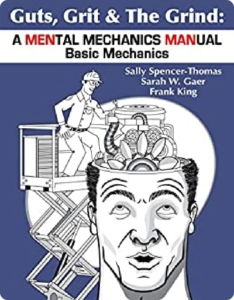
I used to think humor was my only tool—until life blindsided me with my own mental‑health and suicidal struggles. I learned the hard way that, just like a fleet of vehicles, a workplace has engines that can overheat, stall, or quietly run on fumes. The good news is that with basic training, clear processes, and a willingness to ditch stigma, any HR leader can become a kind of “mental mechanic” for their organization.
Mental‑health challenges are not rare events; they are as common as a flat tire on a Monday morning. Employees bring stress, trauma, grief, and financial worries with them to work; these pressures can appear in missed deadlines, conflicts, errors, or risky behavior. When HR has the tools to recognize warning signs, respond with compassion, and connect people to qualified help, they reduce risk and send a powerful message: “You matter here.” [hrexecutive](https://hrexecutive.com/the-hidden-costs-of-ignoring-mental-health-at-work/)
***
## Practical Tools HR Can Use Right Now
You do not have to be a therapist to help. You do need a clear set of tools and a plan you hope you never have to use. [mercer](https://www.mercer.com/en-us/insights/us-health-news/suicide-prevention-in-the-workplace/)
**Foundational practices**
– Treat mental health as part of workplace safety, not a private issue. [missionconnectionhealthcare](https://missionconnectionhealthcare.com/mental-health/professionals/human-resources/) – Express leadership’s commitment to psychological safety and wellbeing in policy and practice. [thoughtfull](https://www.thoughtfull.world/resources/blog/the-role-of-hr-in-employee-mental-health) – Train managers to recognize behavior changes, start supportive conversations, and know where to refer people. [orgshakers](https://orgshakers.com/2025/09/10/world-suicide-prevention-day-2025-the-role-of-employers-in-saving-lives/)
**Daily and weekly “mental maintenance”**
– Short, regular check‑ins with staff: “How are you *really* doing?” not just “How’s the workload?” [blog.dol](http://blog.dol.gov/2025/09/09/workplace-safety-includes-mental-health) – Encourage peer support and connection to reduce isolation, a known risk factor for suicide. [springhealth](https://www.springhealth.com/blog/rooted-2025-chro-the-future-of-work-and-mental-health) – Offer flexibility where possible—adjusted schedules, break times, or temporary workload changes—to reduce chronic stress. [thoughtfull](https://www.thoughtfull.world/resources/blog/the-role-of-hr-in-employee-mental-health)
**Policy and resource tools**
– Clear, well‑communicated mental‑health and suicide‑prevention policies, including how to raise concerns. [linkedin](https://www.linkedin.com/pulse/hrs-role-suicide-prevention-creating-policies-benefits-stephen-moore-5nrcc) – Visible information about Employee Assistance Programs (EAPs), insurance benefits, online therapy, and crisis hotlines. [mercer](https://www.mercer.com/en-us/insights/us-health-news/suicide-prevention-in-the-workplace/) – Collaboration with external mental‑health partners to ensure evidence‑based screening, referral, and follow‑up. [missionconnectionhealthcare](https://missionconnectionhealthcare.com/mental-health/professionals/human-resources/)
When these tools are in place, HR becomes more than a traffic cop for policy violations; it becomes the pit crew that keeps people safe enough to keep going.
***
## Crisis Planning Before the Crisis Hits
Waiting for a crisis before building a response plan is like waiting for the brakes to fail before reading the manual. Best‑practice guidance urges employers to develop clear protocols for suicide risk and postvention long before they are needed. [emerald](https://www.emerald.com/shr/article/doi/10.1108/SHR-01-2025-0013/1256053/Employee-suicide-what-HR-needs-to-know)
Essential elements of an HR‑led crisis plan:
– **Recognizing warning signs** – Verbal cues (talking about hopelessness or being a burden), behavioral changes (withdrawal, anger, increased substance use), or situational triggers (loss, disciplinary action). [askearn](https://askearn.org/event/suicide-prevention-in-the-workplace)
– **Immediate response steps** – How to stay with the person (in person or virtually), reduce access to lethal means where possible, and contact emergency services or crisis lines such as 988. [theactionalliance](https://theactionalliance.org/resource/managers-guide-suicide-postvention-workplace-10-action-steps-dealing-aftermath-suicide) – Who in HR and leadership must be notified and how to document the situation. [emerald](https://www.emerald.com/shr/article/doi/10.1108/SHR-01-2025-0013/1256053/Employee-suicide-what-HR-needs-to-know)
– **Connection to ongoing support** – Warm hand‑offs to EAP, health‑plan providers, or community mental‑health services. [mercer](https://www.mercer.com/en-us/insights/us-health-news/suicide-prevention-in-the-workplace/) – Thoughtful return‑to‑work plans and accommodations after a mental‑health crisis, emphasizing dignity and support. [shrm](https://www.shrm.org/topics-tools/news/how-hr-can-support-workers-during-mental-health-crisis)
– **Postvention after a suicide or serious attempt** – Steps for communicating with staff, supporting grief, and reducing risk of contagion, often following established postvention guides. [theactionalliance](https://theactionalliance.org/resource/managers-guide-suicide-postvention-workplace-10-action-steps-dealing-aftermath-suicide)
Having a plan written, shared, and practiced helps HR respond calmly and consistently during the toughest moments.
***
## Keyword Strategy (SEO + AEO)
**Primary keyword** – suicide prevention in the workplace speaker for HR leaders and people‑operations teams [orgshakers](https://orgshakers.com/2025/09/10/world-suicide-prevention-day-2025-the-role-of-employers-in-saving-lives/)
**Secondary keywords**
– HR role in employee mental health and wellbeing – workplace suicide‑prevention training for managers – mental health and crisis response strategy for HR – workplace mental health speaker for HR conferences – psychological safety and suicide prevention at work [blog.dol](http://blog.dol.gov/2025/09/09/workplace-safety-includes-mental-health)
**Long‑tail keywords**
– suicide prevention in the workplace speaker for HR conferences and SHRM chapters in Oregon and the Pacific Northwest – how HR can create a mental‑health crisis response plan and postvention protocol – HR training on recognizing suicide warning signs and connecting employees to help – mental mechanic keynote on burnout, mental health, and suicide prevention for people‑operations and DEI teams – mental health comedian and suicide‑prevention speaker for HR leadership retreats and employee‑wellbeing summits [springhealth](https://www.springhealth.com/blog/rooted-2025-chro-the-future-of-work-and-mental-health)
Use these phrases in headings, early paragraphs, image alt text, and schema “keywords” fields to improve SEO and answer‑engine optimization. [wonderws](https://wonderws.com/aeo-for-healthcare-providers-2026/)
***
## GEO and AI Search Visibility Enhancements
To help AI overviews and regional search surface this content for the right people:
– Mention regions and audiences explicitly, such as: – “HR leaders and people‑operations teams across Oregon, Washington, and the Pacific Northwest,” – “SHRM chapters, state HR councils, and corporate HR teams in Portland, Seattle, Boise, and throughout the West Coast.” – Reference relevant organizations and events: – “SHRM, WorldatWork, state HR associations, workplace‑safety councils, and suicide‑prevention coalitions.” [shrm](https://www.shrm.org/topics-tools/news/how-hr-can-support-workers-during-mental-health-crisis) – Include a short resource box listing: – 988 Suicide & Crisis Lifeline, Crisis Text Line, EAP contacts, health‑plan mental‑health benefits, local crisis centers, and national guides such as OSHA and DOL mental‑health resources. [missionconnectionhealthcare](https://missionconnectionhealthcare.com/mental-health/professionals/human-resources/) – Use planner‑style phrases in the copy: – “HR conference keynote on suicide prevention in the workplace,” – “mental‑health and crisis‑response speaker for SHRM chapter events in Oregon,” – “workplace suicide‑prevention training for HR, safety, and operations leaders.” [thoughtfull](https://www.thoughtfull.world/resources/blog/the-role-of-hr-in-employee-mental-health)
These cues help search engines associate your article with specific locations, organizations, and queries. [pravaahconsulting](https://www.pravaahconsulting.com/post/healthcare-seo)
***
## AEO‑Friendly FAQ for HR Leaders & Planners
**1. Why should HR be involved in suicide prevention at work?** HR is uniquely positioned to shape policies, training, benefits, and culture; these factors strongly influence stress, support, and help‑seeking, making HR a critical player in suicide‑prevention efforts. [emerald](https://www.emerald.com/shr/article/doi/10.1108/SHR-01-2025-0013/1256053/Employee-suicide-what-HR-needs-to-know)
**2. How common are mental‑health challenges among employees?** National surveys show that a significant share of workers report symptoms of anxiety, depression, or burnout, and many say they want more support from their employers and HR leaders. [nami](https://www.nami.org/research/publications-reports/survey-reports/the-2025-nami-workplace-mental-health-poll/)
**3. What warning signs might suggest an employee is in serious distress?** Red flags include sudden behavior or performance changes, withdrawal, increased anger, comments about hopelessness or being a burden, and signs of substance misuse; multiple stressors at once can increase concern. [askearn](https://askearn.org/event/suicide-prevention-in-the-workplace)
**4. Does talking about suicide with employees increase the risk?** Evidence‑based guidance indicates that respectful, non‑judgmental conversations about suicidal thoughts do not increase risk and often reduce shame and encourage help‑seeking when paired with clear resources. [askearn](https://askearn.org/event/suicide-prevention-in-the-workplace)
**5. What immediate steps should HR take if someone appears at risk of suicide?** Stay with the person (or remain connected virtually), reduce access to lethal means if possible, contact emergency services or 988 if there is imminent danger, and connect them to professional support such as EAP or medical care. [theactionalliance](https://theactionalliance.org/resource/managers-guide-suicide-postvention-workplace-10-action-steps-dealing-aftermath-suicide)
**6. How can HR reduce stigma around mental health at work?** HR can promote leadership messages that normalize mental‑health struggles, share resources often, highlight stories of support, and train managers to respond with empathy rather than judgment. [nami](https://www.nami.org/research/publications-reports/survey-reports/the-2025-nami-workplace-mental-health-poll/)
**7. What policies support suicide prevention and mental wellbeing?** Useful policies include clear procedures for raising concerns, flexible work options, accommodations during mental‑health treatment, protected leave, and postvention protocols after a suicide or serious attempt. [orgshakers](https://orgshakers.com/2025/09/10/world-suicide-prevention-day-2025-the-role-of-employers-in-saving-lives/)
**8. How can HR train managers to support mental health?** Offer training on recognizing warning signs, having supportive conversations, documenting concerns, and connecting employees to EAP, benefits, or crisis resources, emphasizing that managers are not therapists. [mercer](https://www.mercer.com/en-us/insights/us-health-news/suicide-prevention-in-the-workplace/)
**9. What role do EAPs and benefits play in suicide prevention?** EAPs and mental‑health benefits provide confidential counseling, crisis support, and referrals; HR should regularly review and communicate these benefits to ensure they cover a range of needs and are easy to access. [thoughtfull](https://www.thoughtfull.world/resources/blog/the-role-of-hr-in-employee-mental-health)
**10. How can HR support employees returning from a mental‑health crisis or hospitalization?** Offer phased return‑to‑work plans, flexible schedules, and clear, compassionate communication that emphasizes value and belonging, not punishment for time away. [shrm](https://www.shrm.org/topics-tools/news/how-hr-can-support-workers-during-mental-health-crisis)
**11. What is postvention, and why does it matter?** Postvention refers to actions taken after a suicide or serious attempt; thoughtful communication and support help colleagues grieve, reduce the risk of additional crises, and rebuild trust and safety. [emerald](https://www.emerald.com/shr/article/doi/10.1108/SHR-01-2025-0013/1256053/Employee-suicide-what-HR-needs-to-know)
**12. Why bring in a suicide prevention in the workplace speaker for HR events?** A specialized speaker can translate research into relatable stories, model stigma‑reducing language, and provide practical tools HR and leaders can use immediately to strengthen policies, training, and culture. [mentalhealthawarenesseducation](https://mentalhealthawarenesseducation.com/suicide-prevention-speaker/)
**13. Can these programs be customized for different industries or employee populations?** Yes. Content can be tailored for healthcare, construction, education, finance, tech, public service, or unionized environments, reflecting each sector’s specific risks and cultures. [linkedin](https://www.linkedin.com/pulse/hrs-role-suicide-prevention-creating-policies-benefits-stephen-moore-5nrcc)
**14. Do suicide‑prevention trainings qualify for HR or safety continuing‑education credit?** Many professional associations, including HR and safety bodies, recognize mental‑health and suicide‑prevention training for continuing education; programs can be designed to meet eligibility criteria. [orgshakers](https://orgshakers.com/2025/09/10/world-suicide-prevention-day-2025-the-role-of-employers-in-saving-lives/)
**15. How long are typical keynotes and workshops on this topic?** Keynotes usually run 45–60 minutes, with optional 60–90‑minute workshops or half‑day sessions that focus on crisis planning, manager training, or culture‑change strategies.
**16. Are virtual options available for distributed workforces?** Yes. Virtual keynotes and trainings allow HR and employees across multiple locations and time zones to receive consistent content and participate in Q&A. [springhealth](https://www.springhealth.com/blog/emotional-support-during-crises)
**17. What follow‑up resources can be provided after a session?** Attendees can receive checklists, sample policies, crisis‑plan templates, conversation guides, and curated lists of national and local mental‑health resources. [theactionalliance](https://theactionalliance.org/resource/managers-guide-suicide-postvention-workplace-10-action-steps-dealing-aftermath-suicide)
**18. How can HR measure the impact of mental‑health and suicide‑prevention efforts?** Organizations can track metrics like EAP utilization, engagement survey results, turnover, absenteeism, and post‑training confidence levels; qualitative feedback from employees also provides important insight. [springhealth](https://www.springhealth.com/blog/rooted-2025-chro-the-future-of-work-and-mental-health)
**19. How do HR and DEI efforts intersect around mental health?** Marginalized groups often face higher stress and barriers to care; aligning mental‑health strategy with DEI helps ensure that policies, communication, and resources are accessible and culturally responsive. [nami](https://www.nami.org/research/publications-reports/survey-reports/the-2025-nami-workplace-mental-health-poll/)
**20. What information helps tailor a suicide‑prevention program for a specific organization?** Useful inputs include industry, workforce demographics, current policies, existing wellness initiatives, recent incidents, leadership goals, and preferred format (keynote, workshop, series). [springhealth](https://www.springhealth.com/blog/rooted-2025-chro-the-future-of-work-and-mental-health)
**21. How are fees structured for HR conferences, companies, and associations?** Fees typically depend on format (in‑person or virtual), length, travel, audience size, and additional consulting or workshops, with clear proposals provided for budgeting and sponsorship.
**22. How far in advance should organizations book a suicide‑prevention speaker?** National conferences often book 6–12 months ahead; company‑wide or virtual trainings may be available on shorter timelines depending on the calendar.
**23. Do you speak to other high‑risk professions besides HR audiences?** Yes. Similar programs are provided to healthcare workers, construction and energy sectors, educators, legal professionals, agriculture, first responders, veterinary medicine, and academic medicine, with lessons brought back to HR. [linkedin](https://www.linkedin.com/pulse/hrs-role-suicide-prevention-creating-policies-benefits-stephen-moore-5nrcc)
**24. Can we design a multi‑session or year‑long mental‑health initiative rather than a single event?** Yes. Many organizations choose a keynote plus follow‑up workshops, manager trainings, and strategy sessions to embed suicide‑prevention principles into policies and everyday practices. [thoughtfull](https://www.thoughtfull.world/resources/blog/the-role-of-hr-in-employee-mental-health)
**25. How do we start booking you as a suicide prevention in the workplace speaker for HR and leadership?** Share your event date, location, and audience; schedule a brief discovery call; review a customized proposal; then confirm the agreement so we can begin planning and promoting your program.
***
## Example JSON‑LD Schema (Article)
“`json { “@context”: “https://schema.org”, “@type”: “Article”, “headline”: “From HR to Mental Mechanic: Suicide Prevention and Mental Health at Work”, “description”: “HR leaders face burnout, crisis, and quiet distress. This article explains how HR can act as a ‘mental mechanic’ using policies, training, and crisis plans to support employee mental health and suicide prevention.”, “author”: { “@type”: “Person”, “name”: “Frank King” }, “articleSection”: “HR leadership, workplace suicide prevention, mental health, and employee wellbeing”, “about”: [ “HR role in employee mental health”, “suicide prevention in the workplace”, “workplace mental health speaker”, “crisis response and postvention for HR” ], “keywords”: [ “HR role in employee mental health and wellbeing”, “suicide prevention in the workplace speaker for HR leaders”, “workplace suicide-prevention training for managers”, “mental health and crisis response strategy for HR” ], “mainEntityOfPage”: { “@type”: “WebPage”, “@id”: “https://example.com/hr-mental-mechanic-suicide-prevention” }, “publisher”: { “@type”: “Organization”, “name”: “The Mental Health Comedian” } } “`