
**SEO Title** Beneath the Smile: Suicide Prevention, Resilience, and Mental Health for Dentists
**Meta Description (≤160 characters)** Dentists face intense stress, burnout, and suicide risk. Learn practical “mental maintenance” tools and workplace strategies that can protect you and your team. [pmc.ncbi.nlm.nih](https://pmc.ncbi.nlm.nih.gov/articles/PMC11896810/)
***
## Beneath the Smile: The Hidden Strain in Dentistry
When most people think of dentistry, they picture bright lights, precision tools, and the familiar hum of a handpiece—not the quiet strain behind the mask. Yet research shows that dentists report significantly higher rates of anxiety, depression, and suicidal thoughts than the general population, driven by workload, financial pressure, perfectionism, and isolation. [ada](https://www.ada.org/resources/practice/wellness/mental-illness-and-suicide-in-dental-school-fighting-the-stigma)
As a comedian‑turned‑suicide‑prevention speaker who has walked through my own battles with depression and suicidal thinking, I see the same invisible enemies many dental professionals face. This is not about weakness; it is about a high‑risk profession that often expects people to suffer in silence. [blog.ultradent](https://blog.ultradent.com/beneath-the-smile-mental-health-struggles-in-dentistry)
***
## Why Dentistry Carries Such Heavy Risk
Dentists are the architects of smiles, but the job can come with serious mental‑health risks. Studies have reported:
– High levels of **anxiety and depression** among dental professionals, often exceeding 60 percent in some samples. [pmc.ncbi.nlm.nih](https://pmc.ncbi.nlm.nih.gov/articles/PMC11894879/) – Suicide rates among dentists that appear higher than those of many other white‑collar professionals, though estimates vary by study. [sciencedirect](https://www.sciencedirect.com/science/article/abs/pii/S0002817725004982) – Contributing factors such as heavy workloads, working alone, financial stress, perfectionism, and work–life imbalance. [reddit](https://www.reddit.com/r/Dentistry/comments/1cmelyp/what_is_the_reason_behind_all_the_mental_health/)
These numbers are not meant to alarm you—they are meant to validate what many dentists already feel: the pressure is real, and you are not imagining it. Recognizing the risk is the first step toward prevention. [protrusive.co](https://protrusive.co.uk/dentistry-suicide-prevention-mental-health)
***
## Mental Health as Maintenance: A Practical Framework
Think of mental health the way you think of car maintenance or equipment servicing. You would never ignore a grinding noise in the compressor and hope it fixes itself. Yet many clinicians ignore emotional warning signs until something breaks. [theprofitabledentist](https://theprofitabledentist.com/safeguarding-the-dental-workplace-identifying-and-preventing-suicidal-behavior/)
Key ideas in a **“mental maintenance”** approach:
– **Regular check‑ups** – Schedule time to honestly assess your stress level, mood, sleep, and sense of joy in the work. – Treat those check‑ins as seriously as your six‑month recall schedule.
– **Warning lights matter** – Notice early signs such as dread before work, irritability, trouble focusing, or using substances to cope. – Understand that untreated anxiety and depression are strongly associated with suicidal thoughts in dental professionals. [dimensionsofdentalhygiene](https://dimensionsofdentalhygiene.com/article/addressing-suicide-risk-dental-setting/)
– **Maintenance prevents breakdowns** – Small actions—rest, movement, connection, and professional support—taken early can prevent crises later. – Just as neglecting an engine leads to failure, ignoring cumulative stress increases risk of burnout and suicidal ideation. [pmc.ncbi.nlm.nih](https://pmc.ncbi.nlm.nih.gov/articles/PMC11896810/)
***
## Tools From Guts, Grit & The Grind
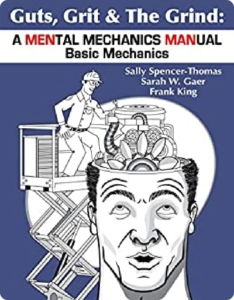
Working on the **Guts, Grit & The Grind** series introduced me to men from many high‑risk professions—dentists, firefighters, lawyers—who thought “toughing it out” was the only option. Their stories underline that shared experience and simple tools can make room for healing. [protrusive.co](https://protrusive.co.uk/dentistry-suicide-prevention-mental-health)
Practical tools that translate well to dentistry include:
– **Self‑assessment checklists** – Brief weekly questions about mood, energy, and stressors that help you track changes over time. – Prompts that encourage you to act when scores stay high for more than a few weeks.
– **Peer‑support “pit crews”** – Small groups of colleagues who agree to regular check‑ins and honest conversation, not just production talk. [theprofitabledentist](https://theprofitabledentist.com/safeguarding-the-dental-workplace-identifying-and-preventing-suicidal-behavior/) – Ground rules about confidentiality and non‑judgment so people feel safe sharing.
– **Crisis response plans** – Written step‑by‑step instructions: who to call, what to say, and how to stay with someone in distress until help arrives. [dimensionsofdentalhygiene](https://dimensionsofdentalhygiene.com/article/addressing-suicide-risk-dental-setting/) – Integration with national resources such as 988 and local mental‑health services.
The same mindset that saves engines—monitor, maintain, and respond early—can help save lives.
***
## A Toolbox for Dentists and Teams
You do not have to be a mental‑health expert to make your practice safer; you just need a basic toolbox.
Suggested tools:
– **Individual tools** – A personal list of warning signs (sleep changes, anger, numbness, withdrawing from family). – Contact information for a therapist, physician, or counselor who understands healthcare stress. – A short list of people you can call when the day feels impossible.
– **Practice‑level tools** – Short wellbeing check‑ins at morning huddles (“Where are you on a 1–10 stress scale today?”). – Posters or digital boards with crisis numbers and local support resources. [aaosh](https://www.aaosh.org/connect/suicide-prevention-from-the-dental-chair-the-role-of-dentists-in-identifying-and-addressing-mental-health-issues) – Policies that make mental‑health days acceptable and protect time for appointments.
– **Communication tools** – Simple scripts like, “I have noticed you seem quieter lately. How are you really doing?” – Training for team members on how to respond if someone mentions suicidal thoughts: listen, stay, connect to help, avoid judgment. [aaosh](https://www.aaosh.org/connect/suicide-prevention-from-the-dental-chair-the-role-of-dentists-in-identifying-and-addressing-mental-health-issues)
This isn’t about diagnosing anyone; it is about noticing changes and connecting people to qualified support.
***
## Keyword Strategy (SEO + AEO)
**Primary keyword** – suicide prevention in the workplace speaker for dentists and dental teams [protrusive.co](https://protrusive.co.uk/dentistry-suicide-prevention-mental-health)
**Secondary keywords**
– dentist mental health and suicide prevention – burnout, anxiety, and depression in dentistry – mental health and resilience training for dental practices – workplace mental health speaker for dental associations – psychological safety in dental offices [blog.ultradent](https://blog.ultradent.com/beneath-the-smile-mental-health-struggles-in-dentistry)
**Long‑tail keywords**
– suicide prevention in the workplace speaker for dental associations and study clubs in Oregon and the Pacific Northwest – dentist burnout and mental health keynote for state dental meetings and regional conferences – how dental practices can reduce suicide risk and support mental wellness for dentists and hygienists – resilience and mental maintenance training for dentists, hygienists, and dental teams – mental health comedian and suicide prevention speaker for dentistry events and CE programs [pravaahconsulting](https://www.pravaahconsulting.com/post/healthcare-seo)
Use these phrases in headings, early paragraphs, internal links to your speaker page, image alt text, and schema “keywords” fields to strengthen SEO and AEO. [wonderws](https://wonderws.com/aeo-for-healthcare-providers-2026/)
***
## GEO and AI Search Visibility Enhancements
To make this piece more discoverable for real‑world audiences and AI answer engines:
– Reference geographic areas and entities, for example: – “dentists and dental teams across Oregon and the Pacific Northwest, from Portland and Eugene to Seattle and Spokane,” – “state dental associations, local components, and regional study clubs throughout the Midwest and West Coast.” – Mention relevant organizations and events: – “ADA, state dental associations, component societies, dental schools, hygiene programs, and multi‑location DSOs that serve urban and rural communities.” [ada](https://www.ada.org/resources/practice/wellness/mental-illness-and-suicide-in-dental-school-fighting-the-stigma) – Include a small resource box: – 988 Suicide & Crisis Lifeline, Crisis Text Line, state dental‑association wellbeing programs, local EAPs, and mental‑health providers experienced with healthcare workers. [pmc.ncbi.nlm.nih](https://pmc.ncbi.nlm.nih.gov/articles/PMC11896810/) – Use planner‑style and voice‑search‑friendly phrases: – “dentist mental health and suicide‑prevention keynote speaker in Oregon,” – “dental conference speaker on burnout, resilience, and suicide prevention,” – “CE course on mental health for dentists and hygienists.” [wonderws](https://wonderws.com/aeo-for-healthcare-providers-2026/)
These geographic and organizational cues help search engines and AI tools connect your article to specific locations, events, and professional audiences. [pravaahconsulting](https://www.pravaahconsulting.com/post/healthcare-seo)
***
## AEO‑Friendly FAQ for Dentists & Planners
**1. Are dentists at higher risk for mental‑health problems than the general population?** Yes. Studies show that dental professionals report significantly higher rates of moderate to severe anxiety and depression than the general population, with some research finding over 60 percent experiencing notable symptoms. [pmc.ncbi.nlm.nih](https://pmc.ncbi.nlm.nih.gov/articles/PMC11894879/)
**2. Is suicide more common among dentists than in many other professions?** Some studies and historical data suggest suicide rates among dentists are higher than those of many other white‑collar workers and may exceed general population rates, though not all studies agree on the exact ranking. [linkedin](https://www.linkedin.com/posts/drwilliampena_did-you-know-that-dentists-have-one-of-the-activity-7201294073683410947-myaq)
**3. What factors contribute to burnout and suicide risk in dentistry?** Common drivers include heavy workload, financial pressures, working alone, perfectionism, difficult patient interactions, limited breaks, and stigma around seeking mental‑health support. [reddit](https://www.reddit.com/r/Dentistry/comments/1cmelyp/what_is_the_reason_behind_all_the_mental_health/)
**4. What warning signs might suggest a dental professional is struggling?** Warning signs include changes in mood, irritability, social withdrawal, declining performance, increased substance use, talking about hopelessness, or expressing thoughts of self‑harm. [dimensionsofdentalhygiene](https://dimensionsofdentalhygiene.com/article/addressing-suicide-risk-dental-setting/)
**5. What can individual dentists do to protect their mental health?** They can schedule regular self‑check‑ins, set boundaries around work hours, cultivate peer support, engage in regular physical activity, and seek professional help early when symptoms persist. [pmc.ncbi.nlm.nih](https://pmc.ncbi.nlm.nih.gov/articles/PMC11894879/)
**6. How can dental practices support team mental health and suicide prevention?** Practices can normalize conversations about stress, provide training on recognizing warning signs, share crisis resources, encourage mental‑health days, and connect staff to EAPs and local support services. [aaosh](https://www.aaosh.org/connect/suicide-prevention-from-the-dental-chair-the-role-of-dentists-in-identifying-and-addressing-mental-health-issues)
**7. Do dentists need to be mental‑health experts to help colleagues and patients?** No. They need basic literacy about warning signs, simple conversation tools, and clear referral pathways; their role is to notice, listen, and connect people with appropriate care. [theprofitabledentist](https://theprofitabledentist.com/safeguarding-the-dental-workplace-identifying-and-preventing-suicidal-behavior/)
**8. How can dentists integrate suicide‑prevention into patient care safely?** By receiving training in screening and safe asking, incorporating brief mental‑health questions into history forms, building referral networks with mental‑health professionals, and avoiding judgmental language. [aaosh](https://www.aaosh.org/connect/suicide-prevention-from-the-dental-chair-the-role-of-dentists-in-identifying-and-addressing-mental-health-issues)
**9. Why bring in a suicide prevention in the workplace speaker for dental events?** A speaker experienced with dentistry and other high‑risk fields can combine current data, lived experience, and practical tools to break stigma, equip teams, and create a shared language for ongoing conversations. [protrusive.co](https://protrusive.co.uk/dentistry-suicide-prevention-mental-health)
**10. Can these programs qualify for CE or wellbeing credit?** Many dental boards and associations recognize mental‑health and wellbeing content for CE; programs can be structured to meet applicable requirements. [pravaahconsulting](https://www.pravaahconsulting.com/post/healthcare-seo)
**11. What outcomes can dental associations expect from a resilience and suicide‑prevention keynote?** Typical outcomes include reduced stigma, increased awareness of warning signs, more peer‑to‑peer check‑ins, and greater knowledge of how to respond when someone appears at risk. [theprofitabledentist](https://theprofitabledentist.com/safeguarding-the-dental-workplace-identifying-and-preventing-suicidal-behavior/)
**12. How long is a typical keynote or workshop for dental audiences?** Keynotes usually run 45–60 minutes, with optional 60–90‑minute workshops or breakout sessions for deeper discussion and planning.
**13. Do you offer virtual programs for multi‑location practices or DSOs?** Yes. Virtual keynotes and trainings can reach teams in multiple offices and states with consistent content and live Q&A.
**14. How do you ensure sensitive topics like suicide are handled safely?** Talks follow established safe‑messaging guidelines, avoid graphic detail, emphasize hope and recovery, and consistently direct attendees to confidential resources. [dimensionsofdentalhygiene](https://dimensionsofdentalhygiene.com/article/addressing-suicide-risk-dental-setting/)
**15. What follow‑up resources do attendees receive after an event?** They can receive checklists, conversation guides, crisis‑plan templates, and curated links to dental‑specific mental‑health resources and national supports. [aaosh](https://www.aaosh.org/connect/suicide-prevention-from-the-dental-chair-the-role-of-dentists-in-identifying-and-addressing-mental-health-issues)
**16. Can leadership receive separate training on building a supportive culture?** Yes. Leadership sessions can focus on policies, communication norms, and modeling behaviors that support psychological safety and early intervention. [protrusive.co](https://protrusive.co.uk/dentistry-suicide-prevention-mental-health)
**17. Are programs appropriate for hygienists, assistants, and front‑office staff?** Absolutely. Content is designed for the whole team, recognizing that every role carries stress and that everyone can help notice and respond to warning signs. [dimensionsofdentalhygiene](https://dimensionsofdentalhygiene.com/article/addressing-suicide-risk-dental-setting/)
**18. Do you address student and early‑career dentist stress?** Yes. Sessions can be adapted for dental students, residents, and new graduates, focusing on realistic expectations, coping skills, and help‑seeking. [ada](https://www.ada.org/resources/practice/wellness/mental-illness-and-suicide-in-dental-school-fighting-the-stigma)
**19. Is there content specific to rural or solo practices?** Programs can highlight additional isolation and access challenges faced by rural or solo practitioners and offer tailored support strategies. [reddit](https://www.reddit.com/r/Dentistry/comments/1cmelyp/what_is_the_reason_behind_all_the_mental_health/)
**20. Do you collaborate with existing dental wellbeing or EAP programs?** Yes. Presentations can be coordinated with ADA or state‑level wellness initiatives, EAP providers, and local mental‑health partners so everything reinforces the same message. [pravaahconsulting](https://www.pravaahconsulting.com/post/healthcare-seo)
**21. How are fees structured for state associations, components, and study clubs?** Fees depend on format (in‑person vs. virtual), length, travel, and any add‑on workshops or consulting, with transparent written proposals provided in advance.
**22. How far ahead should we book a suicide‑prevention speaker for our meeting?** State and regional meetings often book 6–12 months in advance; smaller or virtual events may be scheduled on shorter notice depending on availability.
**23. Do you also speak to other high‑risk professions besides dentistry?** Yes. Similar programs are presented to healthcare, veterinary medicine, construction, energy, law enforcement, agriculture, and legal professionals, with lessons cross‑applied to dental settings. [theprofitabledentist](https://theprofitabledentist.com/safeguarding-the-dental-workplace-identifying-and-preventing-suicidal-behavior/)
**24. Can we schedule a series instead of a single keynote?** Yes. Many groups choose a keynote plus follow‑up workshops, webinars, or leadership sessions to keep momentum going and embed new habits. [pravaahconsulting](https://www.pravaahconsulting.com/post/healthcare-seo)
**25. How do we start booking you as a suicide prevention in the workplace speaker for dentists?** Share your event date, location, and audience; schedule a short discovery call; review a customized proposal; then confirm the agreement so we can begin planning and promoting your program.
***
## Example JSON‑LD Schema (Article)
“`json { “@context”: “https://schema.org”, “@type”: “Article”, “headline”: “Beneath the Smile: Suicide Prevention, Resilience, and Mental Health for Dentists”, “description”: “Dentists face high levels of stress, burnout, and suicide risk. This article explains how mental maintenance, peer support, and practical suicide-prevention tools can protect dental professionals and their teams.”, “author”: { “@type”: “Person”, “name”: “Frank King” }, “articleSection”: “Dentist mental health, suicide prevention, workplace wellbeing, and resilience”, “about”: [ “dentist mental health and suicide prevention”, “burnout in dentistry”, “workplace mental health speaker”, “resilience training for dental teams” ], “keywords”: [ “dentist mental health and suicide prevention”, “burnout anxiety and depression in dentistry”, “suicide prevention in the workplace speaker for dentists and dental teams”, “mental health and resilience training for dental practices” ], “mainEntityOfPage”: { “@type”: “WebPage”, “@id”: “https://example.com/dentistry-suicide-prevention-mental-health” }, “publisher”: { “@type”: “Organization”, “name”: “The Mental Health Comedian” } } “`
Would you like a separate `FAQPage` JSON‑LD block built from 8–10 of the most important questions above for richer FAQ snippets in Google and AI‑driven overviews?