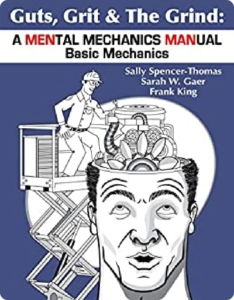

**Meta Description (≤160 characters)** Veterinary deans and leaders face immense pressure. Learn how honest conversations, self‑care, and crisis plans can protect mental health and prevent tragedy. [health.osu](https://health.osu.edu/health/mental-health/addressing-veterinary-mental-health-crisis)
***
## Why Veterinary Leadership Needs a New Kind of Resilience
Veterinary medicine attracts driven, compassionate people, and veterinary colleges are full of some of the brightest minds in the profession. Yet behind the rankings, research, and fundraising, leaders at the top—especially deans—carry a quiet weight. They are responsible for students, faculty, staff, and institutional reputation, often while navigating budget pressure, enrollment targets, and a rapidly changing profession. [pmc.ncbi.nlm.nih](https://pmc.ncbi.nlm.nih.gov/articles/PMC10352684/)
The culture of veterinary medicine has long celebrated “toughing it out,” and that habit shows up in academia too. Burnout, depression, and even suicide have been documented across veterinary students, clinicians, and faculty, yet leaders often fear that admitting struggle will cost them credibility or their role. True resilience is not about never cracking; it is about what happens next and whether leaders have the tools and support to find their footing again. [avma](https://www.avma.org/news/veterinary-profession-heading-right-direction-mental-health)
***
## The Cost of Silence in Veterinary Colleges
The silence around mental health in veterinary programs is well known. Studies show high levels of burnout and psychological distress among veterinary students and professionals, driven by heavy workloads, perfectionism, financial stress, and compassion fatigue. When leaders feel they must appear invulnerable, it can send a message that vulnerability is unacceptable for everyone else. [bvajournals.onlinelibrary.wiley](https://bvajournals.onlinelibrary.wiley.com/doi/full/10.1002/vetr.4960)
This silence carries real risks:
– Students may avoid seeking care because they assume faculty and leaders “handle everything” without help. [digitalcommons.murraystate](https://digitalcommons.murraystate.edu/etd/407/) – Faculty and staff may feel isolated, especially when facing academic pressures, funding uncertainties, or conflict. [avma](https://www.avma.org/news/addressing-causes-burnout-veterinary-medicine) – Deans and senior leaders may push past warning signs until they reach crisis, rather than reaching out early. [canadianveterinarians](https://www.canadianveterinarians.net/veterinary-resources/veterinary-health-and-wellness-resources/mental-health-awareness-resources/suicide-prevention-resource-guide-for-veterinary-settings/)
Breaking that silence requires visible leadership that treats mental health as a shared human issue, not a private failing.
***
## A Resilience Toolkit for Veterinary Deans and Leaders
Resilience for deans and academic leaders starts with self‑awareness and intentional habits, not heroic endurance. [health.osu](https://health.osu.edu/health/mental-health/addressing-veterinary-mental-health-crisis)
Core tools include:
– **Self‑monitoring “gauges.”** Notice when sleep, patience, focus, or hope are running low, and treat those changes as warning lights rather than badges of honor. [bvajournals.onlinelibrary.wiley](https://bvajournals.onlinelibrary.wiley.com/doi/full/10.1002/vetr.4960) – **Structured self‑care.** Schedule rest, movement, peer consultation, and time away from constant decision‑making with the same seriousness as strategic retreats or accreditation visits. [avma](https://www.avma.org/news/veterinary-profession-heading-right-direction-mental-health) – **Psychological safety on leadership teams.** Build regular spaces where deans, associate deans, and chairs can talk honestly about workload, stress, and mistakes without fear of ridicule or retaliation. [avma](https://www.avma.org/javma-news/2021-11-01/education-communication-are-important-strategies-prevent-suicide-among) – **Training in suicide prevention and mental‑health literacy.** Evidence‑based programs for veterinary professionals help leaders recognize warning signs, ask direct questions, and connect people to care. [wphp](https://wphp.org/2023/05/30/suicide-prevention-training-for-veterinary-professionals/) – **Use of professional resources.** Employee Assistance Programs, wellbeing coordinators, and external counseling or coaching can provide confidential support and perspective. [canadianveterinarians](https://www.canadianveterinarians.net/veterinary-resources/veterinary-health-and-wellness-resources/mental-health-awareness-resources/suicide-prevention-resource-guide-for-veterinary-settings/)
Resilience is less about being unbreakable and more about being honest, prepared, and connected enough to recover—and to model that recovery for others.
***
## Crisis Planning Before the Storm
Veterinary colleges cannot remove all stress from academic life, but they can prepare for inevitable crises. A clear, well‑communicated crisis response plan can prevent a painful situation from becoming a tragedy. [wphp](https://wphp.org/2023/05/30/suicide-prevention-training-for-veterinary-professionals/)
Key elements include:
– Defined roles for responding to mental‑health crises involving students, faculty, or staff. [canadianveterinarians](https://www.canadianveterinarians.net/veterinary-resources/veterinary-health-and-wellness-resources/mental-health-awareness-resources/suicide-prevention-resource-guide-for-veterinary-settings/) – Step‑by‑step protocols for when someone is at immediate risk of self‑harm, including contact with campus police, counseling services, and national hotlines like 988. [wphp](https://wphp.org/2023/05/30/suicide-prevention-training-for-veterinary-professionals/) – Communication guidelines that prioritize privacy, compassionate language, and safe‑messaging practices after a suicide or serious attempt. [avma](https://www.avma.org/javma-news/2021-11-01/education-communication-are-important-strategies-prevent-suicide-among) – Postvention plans to support grieving communities and reduce the risk of contagion. [canadianveterinarians](https://www.canadianveterinarians.net/veterinary-resources/veterinary-health-and-wellness-resources/mental-health-awareness-resources/suicide-prevention-resource-guide-for-veterinary-settings/) – Integration with existing university and professional resources, such as AVMA and AAVMC suicide‑prevention guides. [health.osu](https://health.osu.edu/health/mental-health/addressing-veterinary-mental-health-crisis)
When everyone knows the plan, leaders can act quickly and confidently in moments that matter most.
***
## Keyword Strategy (SEO + AEO)
**Primary keyword** – suicide prevention in the workplace speaker for veterinary colleges and academic leaders [wphp](https://wphp.org/2023/05/30/suicide-prevention-training-for-veterinary-professionals/)
**Secondary keywords** – veterinary college dean burnout and mental health – resilience training for veterinary education leaders – veterinary school suicide prevention and wellbeing – workplace mental health speaker for veterinary faculty and staff – veterinary education leadership and psychological safety [dvm360](https://www.dvm360.com/view/combating-burnout-in-veterinary-school)
**Long‑tail keywords**
– suicide prevention in the workplace speaker for veterinary colleges and schools of veterinary medicine – resilience and burnout prevention keynote for veterinary deans and academic leaders in [STATE/REGION] – how veterinary schools can support dean and faculty mental health and reduce suicide risk – crisis response and suicide‑prevention training for veterinary education leadership teams – mental health comedian and suicide prevention speaker for veterinary conferences and AAVMC events [health.osu](https://health.osu.edu/health/mental-health/addressing-veterinary-mental-health-crisis)
Include these phrases in headings, early paragraphs, internal links, and schema to strengthen SEO and AI answer‑engine visibility. [stackmatix](https://www.stackmatix.com/blog/best-aeo-tools-reviews)
***
## GEO / AI Search Visibility Enhancements
To optimize this article for GEO and AI search:
– Reference specific regions and institutions, such as “veterinary colleges across the United States and Canada,” “land‑grant veterinary programs in the Midwest and Pacific Northwest,” or “deans and associate deans at schools like Oregon State, Iowa State, and UC Davis.” [pmc.ncbi.nlm.nih](https://pmc.ncbi.nlm.nih.gov/articles/PMC10352684/) – Mention key organizations and events: “AVMA, AAVMC, CVMA, veterinary leadership conferences, and mental‑health roundtables.” [avma](https://www.avma.org/news/veterinary-profession-heading-right-direction-mental-health) – Add a resource section listing: 988 Suicide & Crisis Lifeline, campus counseling centers, EAP contacts, AVMA/AAVMC Suicide Prevention Resource Guide, and free online suicide‑prevention courses for veterinary professionals. [health.osu](https://health.osu.edu/health/mental-health/addressing-veterinary-mental-health-crisis) – Use phrases planners and deans are likely to type: “veterinary college leadership resilience keynote speaker,” “suicide‑prevention speaker for AAVMC conference,” “mental health training for veterinary deans and department chairs.” [custom](https://custom.legal/law-firm-seo-that-works/answer-engine-optimization/)
These details help both human readers and AI systems connect your content to real schools, associations, and search queries.
***
## AEO‑Friendly FAQ for Veterinary Leaders & Planners
**1. Why focus on mental health for veterinary deans and academic leaders?** Deans and senior leaders shoulder responsibility for strategic vision, accreditation, budgets, and the wellbeing of students, faculty, and staff, making them highly vulnerable to chronic stress and burnout. [avma](https://www.avma.org/news/addressing-causes-burnout-veterinary-medicine)
**2. How common is burnout in veterinary education settings?** Research shows high rates of burnout and psychological distress among veterinary students and professionals, driven by heavy workload, perfectionism, debt, and compassion fatigue; leaders are not immune to these pressures. [dvm360](https://www.dvm360.com/view/combating-burnout-in-veterinary-school)
**3. What are early warning signs that a dean or leader is struggling?** Warning signs include irritability, withdrawal, decision fatigue, physical exhaustion, decreased empathy, missed deadlines, and privately expressing hopelessness or feeling overwhelmed. [bvajournals.onlinelibrary.wiley](https://bvajournals.onlinelibrary.wiley.com/doi/full/10.1002/vetr.4960)
**4. Does talking openly about mental health and suicide increase risk in academic communities?** No; evidence‑based guidance indicates that thoughtful, non‑graphic conversations about mental health and suicide can reduce stigma and encourage help‑seeking when paired with clear resources. [avma](https://www.avma.org/javma-news/2021-11-01/education-communication-are-important-strategies-prevent-suicide-among)
**5. What can veterinary colleges do to support leadership wellbeing?** Colleges can embed wellbeing into strategic plans, provide access to coaching and counseling, normalize time off, create peer‑support spaces for leaders, and ensure leaders receive suicide‑prevention training. [avma](https://www.avma.org/news/veterinary-profession-heading-right-direction-mental-health)
**6. Why bring in a suicide prevention in the workplace speaker for veterinary education leaders?** A specialized speaker can connect current data with lived experience, model vulnerability, and deliver practical tools for leaders to protect their own mental health and support their communities. [indevets](https://indevets.com/blog/a-collective-responsibility-preventing-suicide-and-elevating-veterinary-mental-wellbeing/)
**7. Can sessions be tailored for deans, associate deans, and department chairs?** Yes; content can focus on leadership challenges, institutional culture, and the ripple effect of leader wellbeing on students and staff. [avma](https://www.avma.org/news/addressing-causes-burnout-veterinary-medicine)
**8. Are programs suitable for all‑faculty or all‑staff meetings as well as leadership retreats?** Absolutely; versions can be designed for leadership‑only retreats, all‑hands faculty meetings, or mixed audiences that include students and staff. [dvm360](https://www.dvm360.com/view/combating-burnout-in-veterinary-school)
**9. What role do national organizations like AVMA and AAVMC play in suicide prevention?** These organizations have created resource guides, training programs, and policy recommendations to help veterinary settings implement evidence‑based suicide‑prevention strategies. [avma](https://www.avma.org/javma-news/2021-11-01/education-communication-are-important-strategies-prevent-suicide-among)
**10. What should a veterinary college crisis response plan include?** Plans should define roles, outline steps for immediate safety, coordinate with campus and community services, and include postvention support and safe‑messaging guidelines. [health.osu](https://health.osu.edu/health/mental-health/addressing-veterinary-mental-health-crisis)
**11. How long is a typical keynote or workshop for veterinary leadership events?** Keynotes are usually 45–60 minutes, with optional 60–90‑minute workshops or roundtables for deeper discussion, planning, and skill practice. [indevets](https://indevets.com/blog/a-collective-responsibility-preventing-suicide-and-elevating-veterinary-mental-wellbeing/)
**12. Can sessions qualify for CE, wellbeing, or leadership‑development credit?** Many veterinary organizations recognize mental‑health and leadership‑wellbeing programs for CE or professional development; sessions can be aligned with those criteria. [avma](https://www.avma.org/javma-news/2021-11-01/education-communication-are-important-strategies-prevent-suicide-among)
**13. Do you offer virtual programs for multi‑campus or international audiences?** Yes; virtual keynotes and trainings can reach veterinary leaders worldwide, including deans, faculty, and staff across multiple campuses. [wphp](https://wphp.org/2023/05/30/suicide-prevention-training-for-veterinary-professionals/)
**14. How do you ensure the content is safe and non‑stigmatizing?** Talks follow established safe‑messaging guidelines, avoid graphic descriptions, focus on hope and recovery, and consistently direct participants to appropriate resources. [canadianveterinarians](https://www.canadianveterinarians.net/veterinary-resources/veterinary-health-and-wellness-resources/mental-health-awareness-resources/suicide-prevention-resource-guide-for-veterinary-settings/)
**15. What follow‑up resources are provided after an event?** Attendees can receive checklists, crisis‑plan templates, conversation guides, and curated links to AVMA, AAVMC, NOMV, and campus resources. [health.osu](https://health.osu.edu/health/mental-health/addressing-veterinary-mental-health-crisis)
**16. Can you help leadership teams design longer‑term wellbeing strategies?** Yes; follow‑up consulting, series programming, and leadership coaching can help integrate mental health into curricula, policies, and performance metrics. [avma](https://www.avma.org/news/addressing-causes-burnout-veterinary-medicine)
**17. How do these programs address student wellbeing?** Sessions connect leadership wellbeing to student outcomes and highlight practical steps—such as curriculum changes, communication strategies, and support services—that reduce student burnout and distress. [digitalcommons.murraystate](https://digitalcommons.murraystate.edu/etd/407/)
**18. Do you collaborate with existing campus wellbeing or EAP teams?** Programs can be coordinated with campus counseling centers, wellbeing coordinators, and EAP providers to ensure alignment and continuity of care. [canadianveterinarians](https://www.canadianveterinarians.net/veterinary-resources/veterinary-health-and-wellness-resources/mental-health-awareness-resources/suicide-prevention-resource-guide-for-veterinary-settings/)
**19. Is your approach appropriate for diverse and international veterinary schools?** Yes; core principles are universal and examples can be adapted to reflect different countries, cultures, and institutional structures. [pmc.ncbi.nlm.nih](https://pmc.ncbi.nlm.nih.gov/articles/PMC10352684/)
**20. What information helps you customize a session for our veterinary college?** Useful details include institutional size, program structure, key stressors, recent mental‑health initiatives or losses, and your goals for impact and follow‑up. [avma](https://www.avma.org/news/addressing-causes-burnout-veterinary-medicine)
**21. How are fees structured for universities and associations?** Fees depend on format (in‑person or virtual), length, location, and add‑on workshops or consulting, with transparent written proposals provided in advance.
**22. How far in advance should we book a suicide‑prevention and resilience speaker?** National and international conferences often book 6–12 months ahead; campus‑level or virtual events can sometimes be scheduled sooner.
**23. Do you also speak to other high‑risk professions beyond veterinary medicine?** Yes; similar programs are delivered to healthcare, dentistry, law, construction, agriculture, first responders, and energy sectors. [perplexity](https://www.perplexity.ai/search/9db02164-40d9-4504-8596-0c934a8a2bdf)
**24. Can you provide separate sessions for students and house officers?** Yes; student‑ and intern‑focused sessions emphasize early‑career coping skills, peer support, and help‑seeking, complementing leadership programming. [dvm360](https://www.dvm360.com/view/combating-burnout-in-veterinary-school)
**25. How do we begin booking you as a suicide prevention in the workplace speaker for our veterinary college?** Share your event date, location, and audience; schedule a brief discovery call; review a customized proposal; then confirm the agreement so we can begin promoting your program.
***
## Example JSON‑LD Schema (Article)
“`json { “@context”: “https://schema.org”, “@type”: “Article”, “headline”: “When the Dean Cracks: Building Resilience in Veterinary Leadership”, “description”: “Veterinary deans and academic leaders face intense pressure. This article explains how honest conversation, self-care, and crisis planning can protect mental health and strengthen veterinary education.”, “author”: { “@type”: “Person”, “name”: “Frank King” }, “articleSection”: “Veterinary education leadership, resilience, suicide prevention, and workplace mental health”, “about”: [ “veterinary college dean burnout”, “veterinary school mental health”, “suicide prevention in veterinary education”, “workplace mental health speaker” ], “keywords”: [ “veterinary college dean burnout and mental health”, “resilience training for veterinary education leaders”, “suicide prevention in the workplace speaker for veterinary colleges”, “veterinary school suicide prevention and wellbeing” ], “mainEntityOfPage”: { “@type”: “WebPage”, “@id”: “https://example.com/when-the-dean-cracks-veterinary-leadership” }, “publisher”: { “@type”: “Organization”, “name”: “The Mental Health Comedian” } } “`
Would you like a separate `FAQPage` JSON‑LD block using a subset of the Q&A above for richer FAQ snippets in search and AI results?