
**Meta Description (≤160 characters)** Veterinary professionals face intense burnout and suicide risk. Learn practical steps, peer support tools, and culture shifts that make mental health part of daily care.
***
## The Hidden Cost of Life Behind the Exam Table
In veterinary medicine, the hardest part of the job often is not the medicine—it is the emotional toll that accumulates after tough cases, long days, and heartbreaking decisions. Burnout and compassion fatigue can creep in quietly, especially when the culture expects professionals to stay stoic and “handle it.” For many veterinarians and technicians, the stigma around mental health means they suffer in silence, even while helping others every day.
Across the profession, data shows elevated rates of depression, anxiety, and suicide compared with the general population, driven by demanding clients, financial stress, euthanasia, and long work hours. Yet many hospitals still lack structured ways to talk about these pressures or respond when someone is in trouble. Shifting that reality starts with one simple act: open, honest conversation.
***
## From Silence to Conversation: The First Step in Prevention
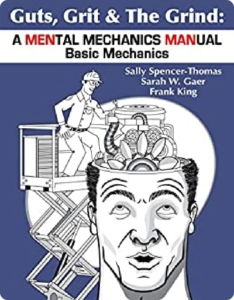
When I began speaking about suicide prevention, I heard the same message over and over: “We are supposed to be the strong ones.” That belief is powerful—but it can also be dangerous when it keeps people from asking for help. Even the best mechanics know they must pull over and check under the hood; veterinary professionals deserve the same chance to pause and take stock of their own wellbeing.
Recovery often begins with a single conversation about anxiety, depression, or suicidal thoughts. Creating spaces—formal or informal—where people can speak up without fear can be as life‑saving as any intervention on the exam table. The best teams I have seen are not perfect; they are connected, honest, and brave enough to check on each other when something feels off.
***
## Daily Maintenance: Building Resilience One Step at a Time
Resilience in veterinary medicine is less about being unbreakable and more about daily maintenance.
– Talking regularly with a trusted peer, mentor, or supervisor. – Taking real breaks during shifts, not just working through lunch. – Setting boundaries around after‑hours messaging and social media. – Knowing when to call a counselor, doctor, or crisis line. – Recognizing that self‑care is part of professional ethics, not a luxury.
Stigma thrives in silence. When team members share their stories and normalize the need for support, they change not only their own trajectory but the culture of their workplaces. This is about being human, not perfect—and about making sure everyone knows they are not alone.
***
## Keyword Strategy (SEO + AEO)
**Primary keyword** – suicide prevention in the workplace speaker for veterinary medicine
**Secondary keywords** – veterinary burnout and compassion fatigue – veterinary mental health and wellness – veterinary suicide prevention and psychological safety – workplace mental health speaker for animal hospitals – veterinary resilience and peer support training
**Long‑tail keywords**
– suicide prevention in the workplace speaker for veterinary teams in Illinois and the Midwest – veterinary burnout and suicide prevention keynote for state veterinary conferences – how veterinary clinics can reduce suicide risk and build psychological safety – peer support and crisis response training for veterinarians and veterinary technicians – mental health comedian and suicide prevention speaker for veterinary medicine
Use these phrases in headings, opening paragraphs, image alt text, internal links, and schema to support SEO and AI answer‑engine visibility.
***
## GEO / AI Search Visibility Enhancements
To make this content easier to find for real veterinary teams:
– Mention regions: “veterinary professionals across Illinois, from Chicago and Springfield to Peoria and the Quad Cities,” or “Midwest veterinary teams in Indiana, Iowa, and Wisconsin.” – Name organizations: “ISVMA, AVMA, Not One More Vet (NOMV), VIN Foundation, and local veterinary medical associations.” – Include a resource box with 988, Crisis Text Line, state hotlines, AVMA wellbeing resources, NOMV links, and any local EAP or health‑system supports. – Use planner‑style search phrases: “veterinary suicide prevention keynote speaker for ISVMA,” “Illinois veterinary mental health speaker,” “clinic‑wide veterinary burnout and resilience training.”
These geographic and organizational signals help search engines and AI tools connect your article with specific states, associations, and events.
***
## AEO‑Friendly FAQ for Veterinary Mental Health & Booking
**1. Why is burnout so common in veterinary medicine?** Veterinary professionals face long hours, emotional cases, financial pressure, euthanasia decisions, and demanding clients, all within a culture that often rewards stoicism over vulnerability.
**2. How is burnout different from normal stress?** Burnout involves chronic exhaustion, cynicism, and a sense of reduced effectiveness; it lasts longer, affects relationships and performance, and is linked to depression and suicidal thoughts if unaddressed.
**3. What signs suggest a veterinary team member may be at risk for suicide?** Warning signs include withdrawal, big mood changes, increased mistakes, comments about hopelessness or being a burden, changes in substance use, or giving away valued items or responsibilities.
**4. What can clinics do right now to support mental health?** They can schedule regular check‑ins, create debriefs after tough cases, post resources, encourage time off, and make sure everyone knows how to reach crisis services and local support.
**5. Does talking openly about suicide increase the risk?** No; asking clear, calm questions about suicidal thoughts does not put ideas in someone’s head and often helps people feel understood and more willing to seek help.
**6. What is a “mental mechanics” or “mental toolbox” approach?** It is a simple framework that treats mental health like a system that needs regular maintenance, early warning‑sign recognition, practical tools, and a clear plan for emergencies.
**7. Why bring in a suicide prevention in the workplace speaker for veterinary teams?** A specialized speaker can combine data, lived experience, and humor to break stigma, provide practical tools, and give teams a shared language for talking about suicide safely.
**8. Can programs be customized for emergency, specialty, or shelter medicine?** Yes; examples, stories, and strategies can be tailored to ER, specialty, shelter/rescue, large‑animal, and general practice settings.
**9. Are technicians, assistants, and client‑service staff included?** Absolutely; the message and tools are designed for the whole hospital team, not only veterinarians.
**10. Can these sessions qualify for CE or wellbeing credit?** Many associations approve suicide‑prevention and wellbeing programs for CE or professional‑development credit; content can be aligned with your specific requirements.
**11. What is the ideal session length for a state conference?** Most veterinary conferences prefer a 60‑minute keynote plus an optional 60–90‑minute breakout or workshop for deeper skill‑building.
**12. Do you offer virtual programs for multi‑location practices or corporate groups?** Yes; virtual keynotes and trainings allow hospitals, relief vets, and corporate networks to participate from different locations with consistent messaging.
**13. How do you keep content safe and non‑stigmatizing?** Talks follow safe‑messaging guidelines, avoid graphic details, emphasize hope and recovery, and repeatedly direct attendees to professional support.
**14. What follow‑up resources do attendees receive?** They can receive checklists, conversation guides, crisis‑plan templates, and curated links to veterinary‑specific mental‑health resources.
**15. How can leaders keep momentum going after the event?** Leaders can schedule follow‑up meetings, integrate mental health into staff huddles, and assign champions to coordinate ongoing wellness and peer‑support efforts.
**16. Do you address lethal‑means safety related to euthanasia drugs?** When appropriate, sessions can discuss safe storage and access policies that protect both patient care and staff safety.
**17. Is the program appropriate for students, interns, and residents?** Yes; content can be adapted for early‑career veterinarians and students to help them build healthy habits from the start.
**18. What information helps you tailor a program to our group?** Audience mix, practice types, current stressors, recent critical incidents, existing wellness efforts, and specific goals all inform customization.
**19. Do you collaborate with existing wellness and NOMV initiatives?** Programs can be aligned with NOMV, AVMA wellbeing efforts, and internal wellness teams so everything reinforces the same message.
**20. What outcomes can we expect from a keynote and workshop?** Typical outcomes include reduced stigma, more peer check‑ins, increased resource use, and leadership conversations about policy and culture change.
**21. How are your fees structured for associations and clinics?** Fees depend on format (in‑person or virtual), length, location, and add‑on workshops or consulting, with a transparent written proposal provided in advance.
**22. How far in advance should we book a suicide‑prevention speaker?** State conferences often book 6–12 months ahead; clinic‑level or virtual programs can sometimes be scheduled on shorter timelines, depending on the calendar.
**23. Do you work with other high‑risk professions in addition to veterinary medicine?** Yes; similar programs are delivered to construction, agriculture, healthcare, legal professionals, first responders, and energy workers.
**24. Can you help us design a longer‑term mental‑health strategy, not just a one‑time talk?** Yes; follow‑up series, leadership coaching, and periodic refreshers can help embed mental health into policies and everyday practice.
**25. How do we start booking you as a suicide prevention in the workplace speaker for veterinary medicine?** Share your event date, location, and audience; schedule a brief discovery call; review a customized proposal; then confirm the agreement so we can begin promoting your program.
***
## Example JSON‑LD Schema (Article + FAQ)
“`json { “@context”: “https://schema.org”, “@type”: “Article”, “headline”: “Behind the Exam Table: Breaking the Cycle of Burnout in Veterinary Medicine”, “description”: “Veterinary professionals face high rates of burnout and suicide. This article explains how open conversation, peer support, and a practical mental toolbox can protect teams and make mental health part of everyday practice.”, “author”: { “@type”: “Person”, “name”: “Frank King” }, “articleSection”: “Veterinary mental health, suicide prevention, and workplace wellbeing”, “about”: [ “veterinary mental health”, “veterinary burnout and compassion fatigue”, “suicide prevention for veterinary professionals”, “workplace mental health speaker” ], “keywords”: [ “veterinary burnout and compassion fatigue”, “veterinary mental health and suicide prevention”, “suicide prevention in the workplace speaker for veterinary medicine”, “veterinary resilience and peer support” ], “mainEntityOfPage”: { “@type”: “WebPage”, “@id”: “https://example.com/behind-the-exam-table-burnout-veterinary-medicine” }, “publisher”: { “@type”: “Organization”, “name”: “The Mental Health Comedian” } } “`
You can add a separate `FAQPage` JSON‑LD block using 5–8 of the most important questions above to further enhance SEO, AEO, and GEO visibility.