
**Meta Description (≤160 characters)** Veterinary professionals face burnout and suicide risk. Discover practical “mental toolbox” tools, peer support, and crisis plans to protect your team’s wellbeing.
***
## Why Veterinary Teams Need a Mental Toolbox
Veterinary medicine is built on compassion, yet many professionals feel alone in their struggles. Burnout, moral distress, and even suicide are higher in this field than in many other professions, driven by emotional cases, financial stress, and constant pressure to “stay strong.” The unspoken rule to keep quiet and keep going can leave veterinarians, technicians, and support staff patching up pets while ignoring their own wounds. [co](https://www.co.vet/post/veterinary-burnout-statistics)
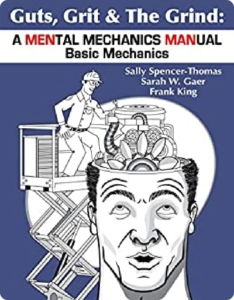
A “mental toolbox” offers something more than a pep talk. It gives veterinary professionals practical, immediate tools they can reach for when the warning lights come on—just like checking the engine before a long drive. Early recognition, peer support, and clear plans can turn a silent struggle into a shared problem the whole team can help solve. [intheforefront](https://intheforefront.org/preventing-suicide-in-veterinary-professionals/)
***
## What Belongs in a Mental Toolbox?
Think of your mental toolbox as the kit you keep handy for emotional maintenance and crisis response.
– **Warning‑light awareness:** noticing early signs like isolation, irritability, hopelessness, compassion fatigue, or dreading every shift. [frontiersin](https://www.frontiersin.org/journals/veterinary-science/articles/10.3389/fvets.2025.1634139/full) – **Peer support as a lifeline:** designated buddies, informal check‑ins, or structured peer groups (such as NOMV or VIN Foundation circles) where honesty is welcomed, not punished. [vinfoundation](https://vinfoundation.org/resources/colleagues-crisis-suicide-awareness-mental-wellbeing-ce/) – **Crisis response plans:** written steps for what to do if someone is at risk—who to call, how to reduce access to lethal means, and how to connect quickly to local and national hotlines or telehealth services. [intheforefront](https://intheforefront.org/preventing-suicide-in-veterinary-professionals/) – **Everyday maintenance tools:** exercise, sleep routines, time with personal pets, gratitude practices, spiritual supports, hobbies, and boundaries around work and social media. [indevets](https://indevets.com/blog/a-collective-responsibility-preventing-suicide-and-elevating-veterinary-mental-wellbeing/) – **Shared language and scripts:** simple phrases like “How are you really doing?” or “I am glad you told me; let’s figure this out together” make hard conversations easier to start. [indevets](https://indevets.com/blog/a-collective-responsibility-preventing-suicide-and-elevating-veterinary-mental-wellbeing/)
The strongest teams are not the ones that never falter, but the ones prepared to stop, diagnose, and repair before the damage is too great. [avma](https://www.avma.org/news/veterinary-profession-heading-right-direction-mental-health)
***
## Peer Support and Real‑World Stories
Stories from veterinarians, technicians, and other high‑stress professionals show that recovery rarely happens alone. Some people credit therapy or medication; others point to a colleague who asked the right question at the right time or a simple plan they wrote down when they were thinking clearly. [vinfoundation](https://vinfoundation.org/resources/colleagues-crisis-suicide-awareness-mental-wellbeing-ce/)
Peer support is more than a buzzword. Programs such as Not One More Vet (NOMV), VIN Foundation’s “Colleagues in Crisis,” and local association wellness committees demonstrate that when professionals know they can be honest without losing status, their risk of crisis drops and their sense of belonging increases. Every clinic can adapt these ideas into something that fits its size, culture, and community. [nomv](https://nomv.org)
***
## Normalizing Help‑Seeking in Veterinary Medicine
Help‑seeking needs to be framed as wisdom, not weakness. Research shows that when organizations openly encourage use of mental‑health services, staff are more likely to seek help early and less likely to reach a life‑threatening point. [bvajournals.onlinelibrary.wiley](https://bvajournals.onlinelibrary.wiley.com/doi/full/10.1002/vetr.4960)
You can normalize help‑seeking by:
– Including mental health on the agenda at staff meetings and hospital retreats. [avma](https://www.avma.org/news/veterinary-profession-heading-right-direction-mental-health) – Encouraging leaders and respected team members to share their own experiences with counseling, coaching, or peer support. [indevets](https://indevets.com/blog/a-collective-responsibility-preventing-suicide-and-elevating-veterinary-mental-wellbeing/) – Making sure time off for appointments and recovery is treated as responsible professional behavior. [co](https://www.co.vet/post/veterinary-burnout-statistics) – Posting crisis resources where everyone can find them, and revisiting them regularly instead of only after a loss. [intheforefront](https://intheforefront.org/preventing-suicide-in-veterinary-professionals/)
If you are struggling, you are not alone. There are tools, plans, and people who care—often closer than you think.
***
## Keyword Strategy (SEO + AEO)
**Primary keyword** – suicide prevention in the workplace speaker for veterinary professionals
**Secondary keywords** – veterinary mental health and suicide prevention – veterinarian burnout and compassion fatigue – mental toolbox for veterinary teams – veterinary wellness and peer support programs – workplace mental health speaker for animal hospitals
**Long‑tail keywords**
– suicide prevention in the workplace speaker for veterinary teams at state veterinary conferences – mental toolbox and suicide prevention keynote for veterinary professionals in Illinois and the Midwest – how veterinary clinics can build peer support and crisis response plans – veterinary suicide prevention speaker using humor and lived experience with depression – veterinary mental health training for small‑animal, emergency, and specialty hospitals
Use these phrases in your H1/H2 headings, first 150 words, image alt text, and internal links to strengthen SEO and AI answer‑engine visibility. [stackmatix](https://www.stackmatix.com/blog/best-aeo-tools-reviews)
***
## GEO / AI Search Visibility Enhancements
To optimize for GEO and AI search:
– Reference locations: “veterinary clinics across Illinois, from Chicago and Springfield to Peoria and the Quad Cities,” “Midwest veterinary teams in Indiana, Iowa, and Wisconsin,” or the specific states you target. [frontiersin](https://www.frontiersin.org/journals/veterinary-science/articles/10.3389/fvets.2025.1634139/full) – Name organizations and events: “ISVMA, AVMA, VIN Foundation, Not One More Vet, and regional veterinary medical associations and conferences.” [nomv](https://nomv.org) – Include a resource box: 988 Suicide & Crisis Lifeline, Crisis Text Line, NOMV resources, AVMA wellbeing tools, local EAP contacts, and state hotlines. [vinfoundation](https://vinfoundation.org/resources/colleagues-crisis-suicide-awareness-mental-wellbeing-ce/) – Use AI‑friendly phrases: “veterinary suicide prevention keynote speaker for ISVMA,” “Illinois veterinary mental health speaker,” “how to create a mental toolbox for your veterinary team.” [custom](https://custom.legal/law-firm-seo-that-works/answer-engine-optimization/)
These GEO details help search engines and AI assistants match your content to real‑world users and locations.
***
## AEO‑Friendly FAQ for Veterinary Teams & Planners
**1. Why do veterinary professionals need a “mental toolbox”?** Veterinary work carries high emotional and suicide risk; a mental toolbox gives teams simple tools—warning‑sign awareness, peer support, and crisis plans—to respond early instead of waiting for a crisis. [co](https://www.co.vet/post/veterinary-burnout-statistics)
**2. What warning signs suggest a veterinary team member is struggling?** Look for isolation, irritability, fatigue, emotional numbness, increased mistakes, changes in sleep or substance use, and comments about hopelessness or feeling like a burden. [mindsitenews](https://mindsitenews.org/2025/08/21/veterinarians-suicide-unusually-high-rate/)
**3. How can clinics build peer‑support programs?** Clinics can pair staff in buddy systems, schedule debriefs after tough cases, join NOMV or VIN peer groups, and train volunteers in basic listening and referral skills. [nomv](https://nomv.org)
**4. What should a veterinary crisis response plan include?** It should list warning signs, steps for talking with the person, contact information for internal leads and external services (988, local crisis lines, EAP, NOMV), and guidance on reducing access to lethal means when appropriate. [intheforefront](https://intheforefront.org/preventing-suicide-in-veterinary-professionals/)
**5. Does talking about suicide make it more likely to happen?** No; research shows that asking direct, respectful questions about suicidal thoughts does not increase risk and often helps people feel understood and seek help sooner. [vinfoundation](https://vinfoundation.org/resources/colleagues-crisis-suicide-awareness-mental-wellbeing-ce/)
**6. How can leaders in veterinary medicine normalize help‑seeking?** Practice owners, medical directors, and senior veterinarians can share their own stories about using support, promote resources, and publicly support time off for mental health needs. [bvajournals.onlinelibrary.wiley](https://bvajournals.onlinelibrary.wiley.com/doi/full/10.1002/vetr.4960)
**7. Why bring in a suicide prevention in the workplace speaker for veterinary teams?** A specialized speaker can connect data with lived experience, provide practical “mental mechanics” tools, and create safe space for teams to discuss suicide risk without stigma. [indevets](https://indevets.com/blog/a-collective-responsibility-preventing-suicide-and-elevating-veterinary-mental-wellbeing/)
**8. Can talks be customized for different types of veterinary practices?** Yes; content can be tailored for small‑animal, large‑animal, emergency, specialty, shelter, mobile, and corporate practices with setting‑specific examples and resources. [frontiersin](https://www.frontiersin.org/journals/veterinary-science/articles/10.3389/fvets.2025.1634139/full)
**9. Are technicians, assistants, and reception staff included?** Absolutely; all roles experience stress and deserve support, so programs are designed for the entire veterinary team, not just doctors. [bvajournals.onlinelibrary.wiley](https://bvajournals.onlinelibrary.wiley.com/doi/full/10.1002/vetr.4960)
**10. What resources are available beyond a single talk?** NOMV, AVMA, VIN Foundation, and many state associations offer ongoing courses, peer networks, and CE on mental wellbeing and suicide prevention. [avma](https://www.avma.org/news/veterinary-profession-heading-right-direction-mental-health)
**11. How long is a typical keynote or workshop for veterinary conferences?** Keynotes are often 45–60 minutes; workshops or breakouts may run 60–90 minutes to allow for exercises, discussion, and planning. [intheforefront](https://intheforefront.org/preventing-suicide-in-veterinary-professionals/)
**12. Can sessions qualify for CE or wellbeing credit?** Many veterinary boards and associations include mental health and suicide prevention in CE or wellbeing requirements; programs can be aligned with those standards. [vinfoundation](https://vinfoundation.org/resources/colleagues-crisis-suicide-awareness-mental-wellbeing-ce/)
**13. Do you offer virtual options for multi‑location practices?** Yes; virtual keynotes and trainings allow hospitals, relief vets, and corporate groups to participate from multiple locations. [indevets](https://indevets.com/blog/a-collective-responsibility-preventing-suicide-and-elevating-veterinary-mental-wellbeing/)
**14. How do you ensure content is non‑stigmatizing and safe?** Talks follow best‑practice suicide‑prevention messaging, avoid graphic details, highlight hope and recovery, and repeatedly emphasize available resources and next steps. [intheforefront](https://intheforefront.org/preventing-suicide-in-veterinary-professionals/)
**15. Can you support a team after a suicide loss?** Yes; postvention‑sensitive sessions can help teams process grief, honor colleagues, and connect to ongoing support while reviewing safer practices. [vinfoundation](https://vinfoundation.org/resources/colleagues-crisis-suicide-awareness-mental-wellbeing-ce/)
**16. How do you incorporate humor without minimizing pain?** Humor is used to reduce fear and build connection, never to mock suffering; it opens the door to honest conversations about difficult topics. [indevets](https://indevets.com/blog/a-collective-responsibility-preventing-suicide-and-elevating-veterinary-mental-wellbeing/)
**17. Is your material appropriate for students and interns?** Programs can be adapted for veterinary students, interns, and residents, focusing on building healthy habits early in training. [frontiersin](https://www.frontiersin.org/journals/veterinary-science/articles/10.3389/fvets.2025.1634139/full)
**18. What information do you need to customize a program?** Helpful details include audience roles, practice types, key stressors, any recent critical incidents, current wellness efforts, and your goals for change. [intheforefront](https://intheforefront.org/preventing-suicide-in-veterinary-professionals/)
**19. Do you collaborate with existing wellness initiatives?** Yes; sessions can reference and reinforce NOMV, AVMA wellbeing programs, corporate wellness strategies, and local committee efforts. [nomv](https://nomv.org)
**20. What outcomes can organizations expect after hosting a session?** Common outcomes include increased awareness of risk, more peer check‑ins, stronger use of resources, and leadership conversations about policy and culture changes. [avma](https://www.avma.org/news/veterinary-profession-heading-right-direction-mental-health)
**21. How are your fees structured?** Fees vary by format (in‑person or virtual), length, travel, and add‑on workshops or consulting, with transparent proposals provided in advance.
**22. How far in advance should we book?** State conferences often book 6–12 months ahead; clinic‑level or virtual events can sometimes be scheduled within a few months, depending on availability. [intheforefront](https://intheforefront.org/preventing-suicide-in-veterinary-professionals/)
**23. Do you speak to other high‑risk professions besides veterinary medicine?** Yes; programs are also delivered to construction, agriculture, healthcare, legal professionals, first responders, and energy workers. [perplexity](https://www.perplexity.ai/search/9db02164-40d9-4504-8596-0c934a8a2bdf)
**24. Can you help us design a longer‑term mental health strategy?** Follow‑up options include series programming, leadership coaching, and periodic refreshers to move from one‑time awareness to sustained culture change. [indevets](https://indevets.com/blog/a-collective-responsibility-preventing-suicide-and-elevating-veterinary-mental-wellbeing/)
**25. How do we start booking you as a suicide prevention in the workplace speaker for veterinary teams?** Share your event date, location, and audience; schedule a short discovery call; review a customized proposal; then confirm the agreement so we can begin promoting your program. [custom](https://custom.legal/law-firm-seo-that-works/answer-engine-optimization/)
***
## Example JSON‑LD Schema (Article + FAQ)
“`json { “@context”: “https://schema.org”, “@type”: “Article”, “headline”: “Why Every Veterinary Team Needs a Mental Toolbox—Now”, “description”: “Veterinary professionals face high burnout and suicide risk. This article explains how a practical mental toolbox, peer support, and crisis plans can protect teams and make mental health a core priority.”, “author”: { “@type”: “Person”, “name”: “Frank King” }, “articleSection”: “Veterinary mental health, suicide prevention, and workplace wellbeing”, “about”: [ “veterinary mental health”, “veterinary suicide prevention”, “burnout and compassion fatigue”, “workplace mental health speaker” ], “keywords”: [ “veterinary mental health and suicide prevention”, “veterinarian burnout and compassion fatigue”, “mental toolbox for veterinary teams”, “suicide prevention in the workplace speaker for veterinary professionals” ], “mainEntityOfPage”: { “@type”: “WebPage”, “@id”: “https://example.com/veterinary-mental-toolbox-suicide-prevention” }, “publisher”: { “@type”: “Organization”, “name”: “The Mental Health Comedian” } } “`
You can add a separate `FAQPage` JSON‑LD block using a subset of the Q&A above to further boost SEO, AEO, and GEO performance.