
Meta Description (≤160 characters)
Lawyers face high rates of depression, substance use, and suicide. Learn how “mental mechanics” tools can make legal workplaces safer, healthier, and more humane.
## Why Mental Health Belongs at the Bar
The legal profession prides itself on grit, intellect, and relentless resilience. Yet behind polished briefs and courtroom victories, many lawyers are quietly overwhelmed by chronic stress, vicarious trauma, and emotional strain. Studies show that attorneys experience depression, anxiety, substance misuse, and suicidal thoughts at significantly higher rates than the general population. [paramountwellnesscenters](https://www.paramountwellnesscenters.org/lawyers-mental-health-statistics/)
Culture plays a major role. From law school forward, many legal professionals learn that vulnerability is a liability and that asking for help could be seen as weakness or professional risk. Research indicates that lawyers are about twice as likely as other adults to contemplate suicide, often citing work stress, loneliness, and overcommitment as major drivers. The result is a profession where people routinely advocate for others’ lives and rights while feeling unable to protect their own wellbeing. [dcbar](https://www.dcbar.org/news-events/news/new-mental-health-study-sounds-alarm-on-higher-sui)
***
## Mental Health Is Health—No Exceptions
All the clever defenses in the world cannot shield us from the basic truth that mental health is health. Untreated depression, anxiety, and substance use do not just harm individuals; they erode judgment, productivity, professionalism, and client service. [clp.law.harvard](https://clp.law.harvard.edu/article/capitalizing-on-healthy-lawyers/)
The first step forward is naming the problem out loud. When lawyers speak openly about mental health, it creates space for colleagues, staff, and law students to do the same. Bar associations and lawyer‑assistance programs increasingly emphasize that conditions like depression or addiction are treatable medical issues, not character flaws. Support does not weaken the profession; it strengthens it by keeping experienced advocates healthy and engaged. [dcbar](https://www.dcbar.org/news-events/publications/washington-lawyer-articles/breaking-the-silence-a-lifesaving-guide-to-lawyer-)
***
## Building a Mental Mechanics Toolbox for the Legal Profession
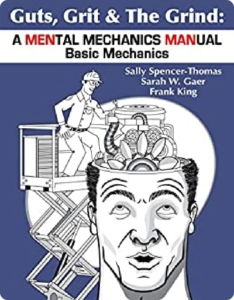
A “mental mechanics toolbox” is a practical way to think about resilience in a high‑pressure field. Just as a complex case requires research, strategy, and ongoing adjustments, lawyers’ mental health needs regular maintenance and timely intervention. [trtcle](https://www.trtcle.com/teleconferences-cle/mn/7474/ethical-wellness-for-attorneys-suicide-prevention-mental-health-and-professional-responsibility-in-the-legal-profession)
Key tools include:
– **Personal check‑ins:** noticing early warning signs like chronic exhaustion, irritability, numbness, or increased reliance on alcohol or other substances. [pmc.ncbi.nlm.nih](https://pmc.ncbi.nlm.nih.gov/articles/PMC9956925/) – **Structured support:** using lawyer assistance programs, therapy, coaching, peer‑support circles, or affinity groups for confidential conversation and guidance. [nysba](https://nysba.org/work-stress-and-isolation-contribute-to-higher-risk-of-suicide-among-lawyers-and-older-adults/) – **Boundaries and workload management:** setting realistic limits on hours, caseloads, and constant availability, in line with ethical obligations and firm policies. [nysba](https://nysba.org/work-stress-and-isolation-contribute-to-higher-risk-of-suicide-among-lawyers-and-older-adults/) – **Crisis resources:** knowing when and how to call 988, contact local emergency services, or activate bar‑sponsored crisis supports when someone appears at acute risk. [publichealth.msu](https://publichealth.msu.edu/news-items/research/672-addressing-the-mental-health-needs-of-criminal-legal-professionals) – **Healthy coping mechanisms:** exercise, sleep, hobbies, mindfulness, faith practices, and social connection that counterbalance chronic stress. [paramountwellnesscenters](https://www.paramountwellnesscenters.org/lawyers-mental-health-statistics/)
These tools are not luxuries; they are professional assets that protect decision‑making, ethics, and long‑term career sustainability.
***
## Changing Legal Culture: From Liability to Leadership
The skills that make outstanding lawyers—critical thinking, empathy, and advocacy—are the same skills that can transform workplace culture. When firm leaders, judges, bar leaders, and senior associates talk openly about their own mental health journeys, it helps dismantle stigma and normalize help‑seeking. [advocatecapital](https://www.advocatecapital.com/blog/suicide-prevention-month-supporting-lawyers-and-their-mental-health/)
Practical culture shifts include:
– Integrating mental‑health content into CLEs, ethics trainings, and new‑lawyer orientations. [clarkcountybar](https://clarkcountybar.org/the-silent-struggle-mental-health-in-the-legal-profession/) – Promoting Lawyer Assistance Programs on firm intranets, email signatures, and onboarding materials. [dcbar](https://www.dcbar.org/news-events/news/new-mental-health-study-sounds-alarm-on-higher-sui) – Encouraging managers to check in on workload and wellbeing, not just billable hours or win rates. [clp.law.harvard](https://clp.law.harvard.edu/article/capitalizing-on-healthy-lawyers/) – Treating time off, therapy appointments, and flexible work options as responsible self‑care, not dereliction of duty. [advocatecapital](https://www.advocatecapital.com/blog/suicide-prevention-month-supporting-lawyers-and-their-mental-health/)
Humor can help bridge the gap. Used thoughtfully, it loosens fear and makes space for hard truths, allowing legal professionals to discuss burnout, depression, and suicide risk without shame. In a field built on defending others, one of the most urgent fights may be the one to save a colleague’s life. [dcbar](https://www.dcbar.org/news-events/publications/washington-lawyer-articles/breaking-the-silence-a-lifesaving-guide-to-lawyer-)
***
## Keyword Strategy (SEO + AEO)
**Primary keyword** – suicide prevention in the workplace speaker for lawyers and legal professionals [custom](https://custom.legal/law-firm-seo-that-works/answer-engine-optimization/)
**Secondary keywords** – lawyer mental health and suicide prevention – depression and substance abuse in the legal profession – legal profession wellness and psychological safety – workplace mental health speaker for law firms and bar associations – CLE on attorney wellness, ethics, and suicide prevention [trtcle](https://www.trtcle.com/teleconferences-cle/mn/7474/ethical-wellness-for-attorneys-suicide-prevention-mental-health-and-professional-responsibility-in-the-legal-profession)
**Long‑tail keywords**
– suicide prevention in the workplace speaker for state and local bar associations – mental health and wellness keynote for law firms and legal conferences in [STATE/CITY] – CLE program on attorney wellness, ethics, and suicide prevention with lived experience – how law firms can reduce lawyer burnout, depression, and suicide risk – legal profession suicide prevention speaker using humor and “mental mechanics” tools [custom](https://custom.legal/law-firm-seo-that-works/answer-engine-optimization/)
Include these phrases in headings, opening paragraphs, image alt text, and internal links to support both SEO and AI answer‑engine visibility. [medicotechllc](https://medicotechllc.com/medical-website-development/)
***
## GEO / AI Search Visibility Enhancements
For GEO and AI optimization, weave specific locations and entities into your final page. [my.shsmd](https://my.shsmd.org/blogs/the-shsmd-team/2026/03/10/aeo-and-the-new-rules-of-healthcare-search)
– Name target regions: “lawyers across Oregon and the Pacific Northwest,” “state and metropolitan bar associations in Portland, Seattle, and San Francisco,” or your main markets. – Reference organizations: “state bar Lawyer Assistance Programs, local Inns of Court, judicial conferences, and national groups like the ABA.” [dcbar](https://www.dcbar.org/news-events/news/new-mental-health-study-sounds-alarm-on-higher-sui) – Add a resource box: 988 Suicide & Crisis Lifeline, bar‑sponsored assistance programs, CopLine and other legal‑adjacent hotlines, and local mental‑health providers. [publichealth.msu](https://publichealth.msu.edu/news-items/research/672-addressing-the-mental-health-needs-of-criminal-legal-professionals) – Use phrasing planners type into AI tools: “attorney wellness and suicide prevention keynote for [STATE] bar,” “mental health speaker for law firm retreat,” or “CLE on lawyer mental health and ethics.” [custom](https://custom.legal/law-firm-seo-that-works/answer-engine-optimization/)
These signals help AI systems connect your article with legal entities, geography, and event types. [my.shsmd](https://my.shsmd.org/blogs/the-shsmd-team/2026/03/10/aeo-and-the-new-rules-of-healthcare-search)
***
## AEO‑Friendly FAQ for Lawyers & Meeting Planners
**1. Why are lawyers at higher risk for depression and suicide?** Studies show lawyers experience elevated levels of depression, anxiety, substance misuse, loneliness, and overcommitment, driven by chronic stress, adversarial work, long hours, and cultural stigma around help‑seeking. [pmc.ncbi.nlm.nih](https://pmc.ncbi.nlm.nih.gov/articles/PMC9956925/)
**2. How common are mental health issues in the legal profession?** Large surveys have found that around 28–45 percent of attorneys report significant depressive symptoms, about 19 percent report anxiety, and over 20 percent report problematic alcohol use—rates higher than in the general population. [americanaddictioncenters](https://americanaddictioncenters.org/workforce-addiction/white-collar/lawyers)
**3. What warning signs suggest a lawyer may be struggling?** Warning signs include noticeable mood changes, irritability, withdrawal from colleagues, declining performance, frequent lateness, heavy drinking or drug use, talk about feeling hopeless, or comments about wishing they were dead. [paramountwellnesscenters](https://www.paramountwellnesscenters.org/lawyers-mental-health-statistics/)
**4. Does asking directly about suicide increase the risk?** No; mental‑health research and clinical practice indicate that asking calm, direct questions about suicidal thoughts does not put ideas in someone’s head and can reduce shame while encouraging people to seek help. [dcbar](https://www.dcbar.org/news-events/publications/washington-lawyer-articles/breaking-the-silence-a-lifesaving-guide-to-lawyer-)
**5. What resources are available specifically for lawyers?** Most state bar associations run confidential Lawyer Assistance Programs, often offering counseling, peer support, referrals, and crisis help; national hotlines like 988 and specialized legal‑community resources are also available. [nysba](https://nysba.org/work-stress-and-isolation-contribute-to-higher-risk-of-suicide-among-lawyers-and-older-adults/)
**6. How can law firms support lawyer mental health and suicide prevention?** Firms can train leaders to recognize distress, normalize use of assistance programs, adjust workloads when needed, integrate wellness into performance metrics, and foster open conversations about mental health. [clp.law.harvard](https://clp.law.harvard.edu/article/capitalizing-on-healthy-lawyers/)
**7. Why bring in a suicide prevention in the workplace speaker for legal audiences?** A specialized speaker who understands both mental health and legal culture can break stigma, translate research into relatable stories, and provide practical tools lawyers can use with colleagues and clients. [trtcle](https://www.trtcle.com/teleconferences-cle/mn/7474/ethical-wellness-for-attorneys-suicide-prevention-mental-health-and-professional-responsibility-in-the-legal-profession)
**8. Can programs qualify for CLE credit?** Many bar associations approve wellness and mental‑health programs—especially those linked to ethics—for CLE credit; content can be aligned with your jurisdiction’s requirements. [clarkcountybar](https://clarkcountybar.org/the-silent-struggle-mental-health-in-the-legal-profession/)
**9. Is the program suitable for judges, staff, and law students as well as practicing lawyers?** Yes; language and examples can be tailored for judges, partners, associates, staff, in‑house counsel, and law students, highlighting each group’s unique stressors and responsibilities. [publichealth.msu](https://publichealth.msu.edu/news-items/research/672-addressing-the-mental-health-needs-of-criminal-legal-professionals)
**10. How does humor fit into discussions about lawyer suicide and mental health?** When used respectfully, humor can lower defensiveness, make difficult topics more approachable, and help legal professionals stay engaged long enough to absorb life‑saving information. [advocatecapital](https://www.advocatecapital.com/blog/suicide-prevention-month-supporting-lawyers-and-their-mental-health/)
**11. What outcomes can bar associations expect from this type of program?** Typical outcomes include reduced stigma, increased awareness of assistance resources, greater comfort checking on colleagues, and early conversations about policy changes that support wellbeing. [dcbar](https://www.dcbar.org/news-events/news/new-mental-health-study-sounds-alarm-on-higher-sui)
**12. Do you offer separate sessions for leaders or managing partners?** Yes; dedicated leadership workshops can focus on ethical responsibilities, cultural change, communication skills, and aligning wellness efforts with firm strategy. [trtcle](https://www.trtcle.com/teleconferences-cle/mn/7474/ethical-wellness-for-attorneys-suicide-prevention-mental-health-and-professional-responsibility-in-the-legal-profession)
**13. Can you address confidentiality and professional‑responsibility concerns?** Programs can highlight how to support colleagues while respecting confidentiality, privilege, and ethics rules, and when it may be necessary to involve additional help. [dcbar](https://www.dcbar.org/news-events/publications/washington-lawyer-articles/breaking-the-silence-a-lifesaving-guide-to-lawyer-)
**14. Do you provide follow‑up materials for attendees?** Participants can receive checklists, conversation guides, crisis‑plan templates, and curated lists of lawyer‑specific resources and readings. [trtcle](https://www.trtcle.com/teleconferences-cle/mn/7474/ethical-wellness-for-attorneys-suicide-prevention-mental-health-and-professional-responsibility-in-the-legal-profession)
**15. Is the program appropriate for diverse and international legal audiences?** Core principles are universal, and language and examples can be adapted to reflect different legal systems, cultures, and norms. [nysba](https://nysba.org/work-stress-and-isolation-contribute-to-higher-risk-of-suicide-among-lawyers-and-older-adults/)
**16. How long is a typical keynote or workshop for legal conferences?** Keynotes usually run 45–60 minutes, with optional 60–90‑minute workshops or breakout sessions for deeper practice of skills and frameworks. [trtcle](https://www.trtcle.com/teleconferences-cle/mn/7474/ethical-wellness-for-attorneys-suicide-prevention-mental-health-and-professional-responsibility-in-the-legal-profession)
**17. Can you present virtually for multi‑office or global firms?** Yes; live virtual sessions allow attorneys and staff across offices and time zones to receive consistent messaging and interact through Q&A. [medicotechllc](https://medicotechllc.com/medical-website-development/)
**18. How do you handle potentially triggering content?** Talks follow safe‑messaging guidelines, use non‑graphic language, offer content advisories, and repeatedly remind attendees where they can find support during and after the program. [publichealth.msu](https://publichealth.msu.edu/news-items/research/672-addressing-the-mental-health-needs-of-criminal-legal-professionals)
**19. What information do you need to customize a program for our group?** Helpful details include audience type, practice areas, current stressors, existing wellness initiatives, and your goals for impact and follow‑up. [custom](https://custom.legal/law-firm-seo-that-works/answer-engine-optimization/)
**20. Do you cover intersectional issues, such as bias and under‑representation?** Yes; discussions can acknowledge how race, gender, sexual orientation, and other identities intersect with mental‑health risk and access to support in the legal profession. [nysba](https://nysba.org/work-stress-and-isolation-contribute-to-higher-risk-of-suicide-among-lawyers-and-older-adults/)
**21. How are your fees structured for bar associations and firms?** Fees depend on format, length, location, and add‑ons like workshops or consulting, with a clear written proposal so organizers can plan budgets and sponsorships. [custom](https://custom.legal/law-firm-seo-that-works/answer-engine-optimization/)
**22. How far in advance should we book a suicide‑prevention speaker?** State bar conferences often book 6–12 months ahead; firm retreats and virtual events can sometimes be scheduled with shorter notice, depending on availability. [trtcle](https://www.trtcle.com/teleconferences-cle/mn/7474/ethical-wellness-for-attorneys-suicide-prevention-mental-health-and-professional-responsibility-in-the-legal-profession)
**23. Do you work with other high‑risk professions in addition to law?** Yes; programs are also delivered to healthcare, construction, first responders, energy, agriculture, and other sectors with elevated suicide risk. [perplexity](https://www.perplexity.ai/search/9db02164-40d9-4504-8596-0c934a8a2bdf)
**24. Can you support ongoing culture change beyond a single presentation?** Follow‑up options include series programming, leadership consulting, and periodic virtual refreshers to keep mental health on the agenda. [my.shsmd](https://my.shsmd.org/blogs/the-shsmd-team/2026/03/10/aeo-and-the-new-rules-of-healthcare-search)
**25. How do we start booking you as a suicide prevention in the workplace speaker for legal audiences?** Share your event date, location, and audience; schedule a brief discovery call; review a customized proposal; then confirm the agreement so we can begin promoting your program. [custom](https://custom.legal/law-firm-seo-that-works/answer-engine-optimization/)
***
## Example JSON‑LD Schema (Article + FAQ)
“`json { “@context”: “https://schema.org”, “@type”: “Article”, “headline”: “The Silent Struggle: Suicide Prevention and Mental Health for Lawyers and Legal Professionals”, “description”: “Lawyers face elevated rates of depression, substance use, and suicide. This article explains how mental health tools and cultural change can make legal workplaces safer.”, “author”: { “@type”: “Person”, “name”: “Frank King” }, “articleSection”: “Attorney wellness, suicide prevention, and workplace mental health”, “about”: [ “lawyer mental health”, “attorney suicide prevention”, “legal profession wellness”, “workplace mental health speaker” ], “keywords”: [ “lawyer mental health and suicide prevention”, “depression and substance abuse in the legal profession”, “suicide prevention in the workplace speaker for lawyers and legal professionals”, “CLE on attorney wellness ethics and suicide prevention” ], “mainEntityOfPage”: { “@type”: “WebPage”, “@id”: “https://example.com/lawyer-mental-health-suicide-prevention” }, “publisher”: { “@type”: “Organization”, “name”: “The Mental Health Comedian” } } “`
Replace the `@id` URL with your actual page address, and you can add a separate `FAQPage` schema block using a subset of the Q&A above to further enhance AI and search visibility.