
**SEO Title:** Women in Construction & Workplace Suicide Prevention: Building a Mentally Healthy Jobsite Culture
**Meta Description (156 characters):** Supporting women in construction with practical workplace suicide prevention strategies that strengthen teams, safety, and culture.
—
# Women in Construction & Workplace Suicide Prevention
## Building Strong Jobsites by Building Stronger People
As a comedian turned workplace mental health speaker, I’ve spent decades understanding something powerful about high-stress industries: toughness is admired, but silence is costly.
In construction, strength is visible. Steel beams. Concrete foundations. Hard hats. But emotional strain? That’s often hidden.
And for women in construction, the pressure can be doubled. Excelling in a traditionally male-dominated industry while carrying the weight of unspoken expectations can quietly increase stress, burnout, and isolation.
This article is about breaking that silence with practical tools, cultural awareness, and workplace suicide prevention strategies that protect people and performance.
—
## Why Mental Health in Construction Matters
The construction industry consistently reports elevated rates of stress, burnout, and suicide compared to many other professions. Long hours, physically demanding environments, tight deadlines, and job insecurity all contribute to emotional strain.
For women in construction, additional factors may include:
* Being one of few women on a crew * Feeling pressure to prove competence repeatedly * Limited mentorship opportunities * Experiencing stigma when discussing mental health * Balancing jobsite demands with family responsibilities
Mental health challenges are not a sign of weakness. They are a human response to sustained stress.
And addressing them is not just compassionate. It is strategic.
—
## The Business Case for Workplace Suicide Prevention
Companies that prioritize mental health and suicide prevention often see measurable outcomes:
* Reduced absenteeism * Lower turnover * Fewer safety incidents * Higher employee engagement * Stronger leadership trust * Improved team cohesion
A psychologically safe workplace is a safer workplace. Period.
When employees feel supported, they are more focused, more productive, and more loyal.
—
## Early Signs of Burnout in Construction Professionals
Burnout rarely happens overnight. It builds quietly.
Common early indicators include:
* Chronic exhaustion * Irritability or emotional withdrawal * Increased mistakes or safety incidents * Loss of pride in work * Cynicism about leadership or coworkers * Difficulty concentrating * Changes in sleep patterns
Recognizing these signs early allows intervention before a crisis develops.
—
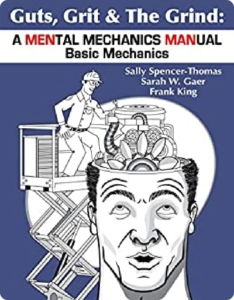
## The “Mental Mechanics Toolbox” for Women in Construction
Just as every jobsite has tools for physical repairs, employees need tools for emotional resilience.
Practical strategies include:
* Peer support systems on-site * Supervisor mental health awareness training * Clear reporting pathways for harassment or psychological concerns * Structured check-ins during high-stress project phases * Access to confidential counseling resources * Normalizing mental health conversations in safety briefings
Mental health should be treated like physical safety: proactive, routine, and integrated into operations.
—
## Breaking the Silence on the Jobsite
Changing culture begins with leadership modeling vulnerability and clarity.
Effective actions include:
* Leaders sharing appropriate personal challenges and coping strategies * Including mental health in toolbox talks * Making Employee Assistance Programs visible and easy to access * Posting crisis resources on-site * Encouraging mentorship among women in leadership roles
Silence isolates. Conversation connects.
—
## If You Are Struggling Right Now
If you or someone you know is experiencing thoughts of suicide, immediate support is available in the United States by calling or texting 988, the Suicide & Crisis Lifeline.
You are not alone. Support is confidential and available 24/7.
For construction companies outside the U.S., consult local health authorities for crisis resources specific to your region.
—
# Frequently Asked Questions: Mental Health & Suicide Prevention in Construction
### What are suicide prevention programs in the workplace?
They are structured initiatives that provide education, early intervention, crisis resources, and culture-building practices to reduce suicide risk among employees.
### Why is suicide prevention important in construction?
Construction workers experience high levels of stress and statistically elevated suicide rates, making prevention efforts critical for safety and well-being.
### How can employers support women in construction?
Through mentorship, inclusive leadership training, psychological safety initiatives, and visible mental health resources.
### What does a workplace suicide prevention speaker provide?
Education, real-world strategies, leadership guidance, culture change frameworks, and practical tools tailored to the industry.
### Are these programs only for large companies?
No. Small and mid-sized construction firms benefit equally and often see rapid cultural improvements.
### Does discussing suicide increase risk?
No. Evidence shows open, responsible conversation reduces stigma and encourages help-seeking.
### What are early warning signs of suicide risk?
Withdrawal, hopelessness, drastic mood changes, increased substance use, and talking about feeling like a burden.
### How long should a workplace suicide prevention training be?
Common formats range from 45 to 90 minutes, with options for half-day workshops.
### Is humor appropriate in mental health discussions?
When used respectfully, humor can lower defenses and make difficult topics more approachable.
### Can mental health training reduce safety incidents?
Yes. Emotional distress impacts focus and decision-making, which directly affects jobsite safety.
### What role do supervisors play?
Supervisors are often the first line of observation and can guide employees toward support resources.
### Should mental health be included in safety meetings?
Yes. Integrating it into existing safety culture normalizes the topic.
### What resources should be posted on jobsites?
Crisis hotline numbers, EAP contact details, and local counseling resources.
### How can women leaders influence culture?
By modeling balanced leadership and encouraging open dialogue about well-being.
### Is confidentiality maintained?
Yes. Reputable programs emphasize privacy and respect.
### Are virtual trainings effective?
Yes. Hybrid and virtual options can reach distributed teams.
### What measurable outcomes can companies expect?
Lower turnover, higher engagement scores, improved retention.
### Is this topic relevant to unions?
Yes. Union leadership often plays a vital role in safety culture initiatives.
### Do employees resist these discussions?
Initial hesitation is common, but respectful delivery builds trust quickly.
### What is psychological safety?
A workplace culture where individuals feel safe to speak up without fear of humiliation or retaliation.
### Can mental health training reduce absenteeism?
Yes. Addressing burnout reduces unplanned absences.
### How often should training occur?
Annually, with reinforcement through quarterly discussions.
### Is suicide prevention legally required?
Regulations vary by region, but proactive programs reduce liability risks.
### How does this affect recruitment?
Companies known for wellness attract high-quality talent.
### What is the first step?
Start with leadership commitment and a single, clear conversation.
—
# Booking FAQ for Meeting Planners & Speakers Bureaus
### 1. What topics does Frank King cover?
Workplace suicide prevention, mental health in high-stress industries, women in construction, leadership resilience.
### 2. Is the presentation customized?
Yes. Industry-specific research and examples are integrated.
### 3. Length options?
45–90 minutes keynotes; half-day workshops available.
### 4. Virtual availability?
Yes. Fully equipped for virtual or hybrid events.
### 5. Audience size limits?
Programs scale from small leadership teams to large conferences.
### 6. Is the content evidence-based?
Yes. Backed by research and real-world industry data.
### 7. Is humor used?
Yes, appropriately and strategically.
### 8. Crisis resources included?
Yes. Regional resources are referenced.
### 9. Does the program include Q&A?
Yes, when event format allows.
### 10. Can leadership breakout sessions be added?
Yes.
### 11. AV requirements?
Standard keynote setup with microphone and screen.
### 12. Travel flexibility?
Available nationally and internationally.
### 13. CE credits?
Content can align with professional development criteria.
### 14. Pre-event planning call?
Included.
### 15. Promotional materials provided?
Yes. Bio, headshots, video reel.
### 16. Is the message non-political?
Yes. Focused on safety and wellness.
### 17. Audience takeaways?
Practical tools, leadership strategies, resource awareness.
### 18. Suitable for mixed-gender audiences?
Yes.
### 19. Follow-up resources?
Available upon request.
### 20. Workshop facilitation style?
Interactive, compassionate, solution-focused.
### 21. Can content address local statistics?
Yes, when provided in advance.
### 22. References available?
Yes.
### 23. Is this OSHA-aligned?
Can be integrated into safety culture discussions.
### 24. How far in advance should booking occur?
Ideally 3–6 months, depending on schedule.
### 25. How do we start?
Contact through official website or speaker bureau representation.
—
# Keyword Strategy
**Primary Keywords:** workplace suicide prevention, mental health in construction, women in construction mental health
**Secondary Keywords:** construction industry mental health speaker, burnout prevention construction, psychological safety construction
**Long-Tail Keywords:** suicide prevention speaker for construction companies, mental health training for women in construction, workplace suicide prevention programs United States
—
# GEO Optimization Suggestions
To increase local visibility:
* Include state-specific suicide statistics when presenting * Reference local construction associations (AGC chapters, NAWIC chapters) * Mention regional workforce initiatives * Customize examples for major metro areas such as Los Angeles construction firms, Texas oilfield projects, Midwest infrastructure projects
—
# AEO Optimization Summary
This article provides direct answers to common questions about:
* Workplace suicide prevention * Construction industry mental health * Women in construction support * Booking a mental health keynote speaker
Structured FAQ sections enhance AI search and featured snippet visibility.
—
Strong companies build strong structures. Great companies build strong people.
And every foundation begins with care.