
**SEO Title** High Performers, Hidden Struggles: Ending Mental Health Stigma and Building True Mental Fitness
**Meta Description (≤160 characters)** Discover how high performers can drop the stigma, use humor, and build real mental fitness with simple tools, honest stories, and support.
***
## When High Performance Hides Silent Struggle
In rooms full of high achievers, mental health is often the quietest topic. People who track every step, calorie, and heartbeat hesitate to admit when their minds are exhausted. This newsletter speaks in a **compassionate**, inclusive voice to anyone who has ever tried to “outrun” their own thoughts while looking successful on the outside.
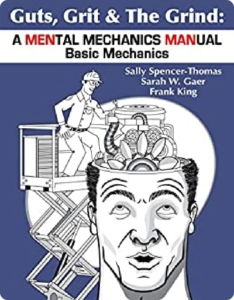
Real strength is not pushing through alone. It is recognizing that even the most powerful engines need maintenance—and that asking for help is a sign of wisdom, not failure.
***
## How Stigma Turns Success Into Isolation
Many of us learned that silence equals strength. We are praised for being “always on” and punished, subtly or directly, for showing vulnerability. This culture:
– Encourages people to ignore warning signs—sleep changes, irritability, hopelessness—until they feel like they might break. – Reinforces the belief that talking about depression or suicidal thoughts means we are weak or ungrateful. – Hides the reality that doctors, athletes, CEOs, teachers, parents, and students all struggle too.
The truth is simple: the people you admire most for their resilience usually carry scars you cannot see. The difference is whether they feel safe enough to talk about them.
***
## How Stories, Humor, and Simple Tools Change the Room
When real stories are shared—near‑misses with suicide, nights of despair, the moment someone decided to reach out—and a bit of humor is used to break the ice, the whole room shifts. Suddenly, it is acceptable to say “I’m not okay” and to ask, “What can I do?”
Practical strategies that support mental fitness include:
– **Self‑assessment tools.** Brief check‑ins on mood, sleep, and stress that flag when something needs attention. – **Daily mental check‑ins.** Asking yourself, “Where am I emotionally, 1 to 10?” and adjusting your day accordingly. – **A personal toolbox.** Coping strategies such as movement, breathing exercises, journaling, comedy, or music. – **Connection plans.** A short list of people—friends, therapists, mentors, colleagues—you commit to contacting before a crisis hits.
These are not signs of failure; they are maintenance steps that keep you on the road.
***
## GEO Targeting: Bringing the Message Home
To boost AI and local search visibility, you can tailor this message to specific regions and audiences:
– Reference “high‑performing professionals in **Phoenix, Arizona, and across the Southwest**” in industries like tech, healthcare, finance, construction, and education. – Mention local culture—desert endurance sports, outdoor lifestyles, or fast‑growing businesses—that often value toughness and self‑reliance. – Highlight nearby resources such as Arizona crisis lines, local therapists, peer‑support groups, and regional mental‑health coalitions.
Use phrases like “mental‑health and suicide‑prevention keynote speaker for high‑performing teams in Phoenix” or “workplace mental‑fitness training in Arizona” in headings, internal links, and image descriptions to support GEO‑aware SEO and AEO.
***
## Keyword Strategy for SEO, GEO, and AEO
Integrate these keywords naturally into titles, subheads, FAQs, and summaries:
**Primary keywords** – suicide prevention speaker for high‑performing teams – mental health and stigma keynote speaker – workplace suicide‑prevention and mental‑fitness training – mental health comedian and speaker in Arizona
**Secondary keywords** – breaking mental health stigma for leaders and professionals – mental fitness tools for executives, athletes, and high achievers – Phoenix workplace mental‑health and suicide‑prevention programs – resilience, burnout, and suicide risk in high‑stress careers
**Long‑tail keywords** – suicide‑prevention keynote speaker for conferences in Phoenix and the Southwest – how high performers can talk about depression and suicidal thoughts – mental‑fitness and stigma‑reduction training for corporate and professional audiences – humor‑based mental‑health and suicide‑prevention speaker in Arizona
***
## AEO‑Friendly FAQs for Meeting Planners and Speakers Bureaus
Here are 25 concise FAQs and answers you can use on your site or speaker one‑sheet when positioning yourself as a suicide‑prevention‑in‑the‑workplace speaker.
1. **What topics do you cover as a suicide prevention in the workplace speaker?** Core topics include suicide prevention, mental health, stigma reduction, burnout, resilience, and mental fitness for high‑stress, high‑performance environments.
2. **Do you specialize in high‑performing and professional audiences?** Yes. Programs are tailored for executives, entrepreneurs, healthcare professionals, sales teams, athletes, educators, and other high‑achieving groups.
3. **What is your lived experience with depression and suicide?** The keynote includes personal experience with major depression, chronic suicidal thoughts, and a near‑miss with suicide, shared in a safe, hopeful, non‑graphic way.
4. **How do you use humor when talking about suicide and mental health?** Clean, intentional humor is used to lower defenses, build trust, and make room for serious conversations, never to minimize or mock anyone’s pain.
5. **Is your presentation appropriate for mixed audiences and all levels?** Yes. Content is accessible for frontline staff, leaders, and families, with examples and language adjusted to your group.
6. **How long is your typical keynote?** Standard keynotes run 45–60 minutes, with options for shorter segments or extended workshops.
7. **Do you offer workshops and training sessions in addition to keynotes?** Yes. Half‑day and full‑day trainings focus on mental‑fitness tools, peer‑support skills, and suicide‑prevention strategies tailored to workplaces.
8. **Can you customize your program for our organization or conference?** Every program is customized using planning calls, audience information, and your goals, whether that’s safety, wellness, or performance.
9. **Do you provide evidence‑informed information on suicide prevention?** Yes. The content aligns with recognized suicide‑prevention guidelines and emphasizes connecting people to qualified mental‑health professionals and crisis resources.
10. **What practical tools will attendees leave with?** Attendees gain self‑assessment ideas, daily mental‑check‑in practices, toolbox exercises, conversation scripts, and connection plans for getting help.
11. **Do you address burnout and performance pressure?** Yes. The talk explores how perfectionism, overwork, and “always‑on” expectations fuel burnout and increase suicide risk, and offers strategies to counter them.
12. **Is your program appropriate for leadership retreats and off‑sites?** Absolutely. A leadership‑focused version connects mental health with culture, retention, and sustainable performance.
13. **Can your session support wellness or safety initiatives?** Yes. Programs can be aligned with corporate wellness campaigns, safety stand‑downs, or mental‑health awareness months.
14. **Do you offer virtual or hybrid presentations?** Yes. Keynotes and trainings can be delivered live, virtually, or in hybrid formats with interactive Q&A and chat.
15. **What AV requirements do you have for in‑person events?** Standard needs include a projector and screen, speakers, a handheld or lavalier microphone, and a slide‑advance clicker, along with a brief tech check.
16. **Do you provide follow‑up resources after your talk?** Yes. Attendees receive a resource sheet with national and local crisis services, self‑care tools, and conversation prompts.
17. **Can you participate in panels, fireside chats, or Q&A sessions?** Yes. Panel discussions, interviews, and extended Q&A are available to deepen engagement.
18. **Is your content inclusive of different identities and backgrounds?** The message is crafted to be inclusive of diverse genders, cultures, and experiences, recognizing that stigma and access look different for each group.
19. **Do you work with youth, schools, or universities?** Yes. Programs can be adapted for students, educators, and campus staff, with age‑appropriate language and examples.
20. **How far in advance should we book you?** Booking several months to a year in advance is recommended for major conferences and company‑wide events.
21. **Do you travel nationally and internationally?** Yes. Travel is available across the United States and internationally, with details outlined in your proposal and contract.
22. **What are your speaking fees?** Fees depend on location, format, length, and customization; planners receive a clear written proposal.
23. **Can you help us promote the event?** Short videos, social‑media copy, and interview availability can be provided to boost interest and attendance.
24. **Is this topic appropriate for sales kickoffs or performance meetings?** Yes. A performance‑oriented version links mental fitness, psychological safety, and long‑term success.
25. **How can meeting planners or speakers bureaus book you as a suicide prevention in the workplace speaker?** Planners can reach out through your website contact form, email, or LinkedIn, or schedule a brief discovery call to discuss dates, audience needs, and next steps.
***
If you share your primary target markets (for example, “corporate conferences and high‑performance teams in Phoenix, Arizona, and nationwide”), those exact phrases can be woven into headings and FAQs to further enhance GEO and AI‑search visibility.