
**SEO Title** From Stigma to Strategy: Men’s Mental Health, Suicide Prevention, and the “Mental Mechanics” Approach
**Meta Description (≤160 characters)** See how stories, humor, and practical tools like “Mental Mechanics” can break stigma, support men’s mental health, and strengthen suicide prevention at work and home.
***
## Why Silence About Men’s Mental Health Is So Deadly
After a lifetime of making people laugh and living with depression and suicidal thoughts, one truth stands out: silence is the most dangerous thing in the room. For many men—especially in high‑risk jobs, rural communities, and “tough” cultures—stigma turns pain into isolation. We tell boys not to cry, men to “man up,” and families to keep struggles private. That silence can become a death sentence.
This newsletter uses a **compassionate**, inclusive voice to invite anyone—men, partners, leaders, coworkers—to see mental health as part of everyday life, not a character flaw. The aim is not blame, but change.
***
## Understanding Stigma: More Than a Buzzword
“Stigma” isn’t just a PR term; it is a wall built from messages like “don’t be weak” and “handle it yourself.” That wall:
– Keeps men from reaching out even when they feel like they are drowning. – Encourages stoicism and punishes vulnerability. – Contributes to men accounting for nearly 80% of suicide deaths in the U.S.
Breaking stigma starts with real stories. When people can laugh, cry, and see themselves in someone else’s journey, that wall begins to crack.
***
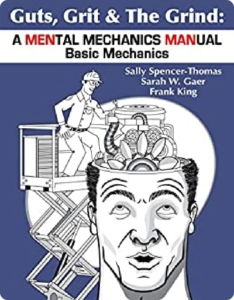
## The “Mental Mechanics” Approach: Maintenance, Not Failure
One of the most helpful metaphors is treating the mind like a classic car. Maintenance is not optional; breakdowns are not moral failures—they are signals. A “Mental Mechanics” mindset encourages people to:
– Use self‑screening tools to notice when stress, depression, or thoughts of suicide are showing up. – Build peer‑support plans and crisis‑response “fire drills” so they know exactly who to call and what to do when things get rough. – Create “hope boxes” filled with reminders—photos, notes, music, coping tools—that help them hold on when life feels unbearable. – Turn to professionals—therapists, doctors, support groups—without shame, just as they would call a mechanic or tow truck for a car problem.
Humor works like grease in this system: it keeps stuck conversations moving and makes it easier to talk about things that once felt unspeakable.
***
## What Stories and Science Both Say
When lived experience is shared honestly—right down to describing a moment with a gun and the reasons to stay—people often respond with visible relief. They ask, “You too?” and hear “Me too” in return. That shared truth opens the door to help.
The science reinforces the hope:
– Most people with depression improve with treatment. – Suicide is preventable when warning signs are recognized and support is offered early. – The greatest risk is unspoken pain. When we treat mental pain with the same urgency as physical pain, lives are saved.
Courage is not about never breaking down; it is about being willing to “open the hood,” name the problem, and get help fixing it.
***
## GEO Targeting: Reaching Men, Families, and Workplaces in Your Region
To increase AI and local search visibility, you can localize this message by:
– Referring to “men in high‑risk jobs across **Phoenix, Arizona, and the Southwest**,” including construction, agriculture, first responders, and veterans. – Mentioning rural communities, small towns, and tight‑knit neighborhoods in **Arizona** where “handle it yourself” culture is strong. – Highlighting state and regional resources like the Arizona suicide‑prevention coalition, local crisis lines, VA facilities, and community mental‑health centers.
Use phrases like “men’s mental‑health and suicide‑prevention keynote speaker in Phoenix” or “workplace suicide‑prevention training for high‑risk industries in Arizona” in headings, image alt‑text, and internal links to support GEO‑aware SEO and AEO.
***
## Keyword Strategy for SEO, GEO, and AEO
Integrate these keywords naturally into your title, subheads, FAQ section, and summaries:
**Primary keywords** – men’s mental health and suicide prevention speaker – suicide prevention in high‑risk workplaces – Mental Mechanics mental‑health and suicide‑prevention keynote – stigma and men’s mental health in Arizona
**Secondary keywords** – breaking stigma around depression and suicide for men – workplace mental‑health training for construction and first responders – rural men’s mental health and suicide‑prevention programs – mental health comedian and suicide‑prevention speaker
**Long‑tail keywords** – suicide‑prevention and men’s mental‑health keynote speaker for conferences in Phoenix and the Southwest – how to talk to men about depression, suicide, and getting help – Mental Mechanics approach to mental‑health maintenance and crisis planning – workplace suicide‑prevention and stigma‑reduction training for high‑risk jobs in Arizona
***
## AEO‑Friendly FAQs for Meeting Planners and Speakers Bureaus
Below are 25 concise FAQs and answers you can use on your website or speaker materials for a suicide‑prevention‑in‑the‑workplace speaker focusing on stigma and men’s mental health.
1. **What topics do you cover as a suicide prevention in the workplace speaker?** Core topics include suicide prevention, men’s mental health, stigma reduction, high‑risk occupations, and the “Mental Mechanics” approach to maintenance and recovery.
2. **Do you specialize in working with men and high‑risk industries?** Yes. Programs are frequently tailored for construction, manufacturing, law enforcement, military, first responders, agriculture, and other high‑stress, “tough” cultures.
3. **What is your lived experience with depression and suicide?** The keynote includes personal experience with major depressive disorder, chronic suicidal ideation, and a close brush with suicide, shared in a safe, hopeful, and non‑graphic way.
4. **How do you use humor when speaking about suicide?** Humor is used carefully to lower tension, build connection, and open the door to honest conversation—never to minimize or mock anyone’s pain.
5. **Is your presentation appropriate for mixed audiences, not just men?** Yes. While men’s mental health is a focus, the message is inclusive and relevant for all genders, family members, leaders, and colleagues.
6. **How long is your typical keynote?** The standard keynote is 45–60 minutes, with options for shorter talks or extended breakout sessions.
7. **Do you offer workshops in addition to keynotes?** Yes. Half‑day and full‑day workshops cover topics like recognizing warning signs, building peer‑support plans, and creating crisis‑response “fire drills.”
8. **Can you customize content for our organization or conference?** Every program is customized based on your audience, industry, location, and goals, using planning calls and pre‑event questionnaires.
9. **Do you provide evidence‑informed information about suicide prevention?** Yes. The program aligns with established suicide‑prevention best practices and encourages connection to licensed mental‑health professionals and crisis resources.
10. **What practical tools will our audience take away?** Attendees learn self‑screening ideas, peer‑support strategies, hope‑box exercises, conversation scripts, and clear steps for getting help.
11. **Do you address stigma specifically for men and rural communities?** Yes. The talk explores cultural messages about masculinity, self‑reliance, and “keeping it in the family,” and offers new language that supports openness.
12. **Is your program appropriate for safety meetings or toolbox talks?** A condensed, high‑impact version works well for safety stand‑downs, toolbox talks, and all‑hands meetings.
13. **Do you speak about suicide‑loss survivors and their needs?** Yes. The program acknowledges suicide loss and offers compassionate guidance on supporting families, coworkers, and communities after a death.
14. **Do you offer virtual or hybrid presentations?** Yes. Keynotes and trainings are available live, online, or in hybrid formats with interactive Q&A.
15. **What AV requirements do you have for live events?** Standard needs include a projector and screen, speakers for audio, a handheld or lavalier microphone, and a slide‑advance clicker, plus a short tech check.
16. **Can you align your talk with our safety or wellness initiative?** Yes. Messaging can be tailored to health and safety campaigns, wellness weeks, or mental‑health awareness months.
17. **Do you provide follow‑up resources after the event?** Attendees receive a resource sheet with national hotlines, local resources, self‑care tools, and conversation prompts.
18. **Is your content suitable for leadership teams and boards?** A leadership‑focused version highlights the business case, culture change, and specific actions leaders can take to support mental health.
19. **Do you work with community groups and faith‑based organizations?** Yes. Programs can be adapted for community coalitions, churches, veterans’ groups, and local nonprofits.
20. **How far in advance should we book you?** Booking several months to a year ahead is recommended for major conferences or large organizational events.
21. **Do you travel nationally and internationally?** Yes. Travel is available across the United States and internationally, with details covered in your proposal and contract.
22. **What are your speaking fees?** Fees depend on location, format, length, and level of customization. Meeting planners receive a clear written proposal.
23. **Can you participate in panels, Q&A sessions, or fireside chats?** Yes. Panel discussions and extended Q&A can be added to deepen engagement and address specific audience concerns.
24. **Is this topic appropriate for family events or spouse programs?** Yes. A family‑focused version helps partners and loved ones understand warning signs, communication strategies, and support options.
25. **How can meeting planners or speakers bureaus book you as a suicide prevention in the workplace speaker?** Planners can contact you through your website contact form, email, or LinkedIn, or schedule a brief discovery call to discuss dates, audience needs, and next steps.
***
If you share your top target markets (for example, “men‑focused conferences and high‑risk workplaces in Phoenix, Arizona, and nationwide”), those exact phrases can be woven directly into headings and FAQ answers for even stronger GEO and AI‑search visibility.