
Breaking the Silence: A New Era for Mental Health in Safety
Safety professionals are experts at preventing physical harm—but too many still treat mental health like a side issue instead of a core hazard. This blog reframes suicide prevention and mental health as essential parts of every safety plan and shows how a suicide prevention speaker can help.[1]
***
## Meta description
Make mental health part of safety with a suicide prevention speaker who uses humor, lived experience, and practical tools to protect workers from burnout, despair, and suicide.[2]
***
## SEO keyword strategy
– **Primary keywords**: suicide prevention speaker, workplace mental health speaker, safety professional mental health, safety culture and suicide prevention, mental health comedian.[2] – Secondary keywords: psychological safety in high‑risk work, burnout in safety professionals, mental health toolbox for workers, peer support in safety programs.[1] – Long‑tail keywords: suicide prevention speaker for safety conferences, workplace mental health keynote for safety professionals, mental health training for safety committees, humor and mental health in safety culture.[2]
***
## GEO targeting enhancements
– Phrases to localize this article: – “for safety leaders across North America—from construction and manufacturing in the Midwest to utilities and transportation on the coasts” – “state and provincial safety councils, workers’ compensation conferences, and national safety congress events.” – Mention typical settings: construction sites, plants, warehouses, transportation hubs, utilities, oil and gas, and public sector safety programs.[3] – On your site, link this blog to GEO pages like “Safety Conference Suicide Prevention Speaker,” “Workplace Mental Health Speaker California,” and “Virtual Safety & Suicide Prevention Training.”
***
## Why mental health belongs in safety
– Many industries have dramatically improved physical safety through PPE, training, and strong procedures, yet burnout and suicide rates continue to rise among workers and safety professionals.[1] – When mental health is ignored, the “check engine” lights—fatigue, irritability, hopelessness—go unnoticed until a crisis or incident occurs.[1]
– A “tough it out” mentality encourages people to keep working while mentally exhausted or in despair, increasing the risk of mistakes, injuries, and self‑harm.[4] – Mental health is as vital as PPE; if workers are running on empty, they cannot protect themselves or others effectively.[5]
***
## Breaking silence with stories and humor
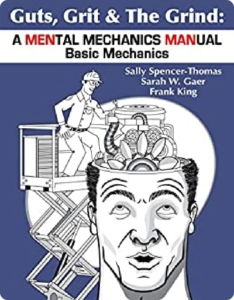
– As a comedian and suicide prevention speaker who has survived major depression and suicidal thoughts, Frank King shows that humor and honesty can coexist in safety conversations. – Sharing stories—from the stage or in break rooms—chips away at stigma and reminds teams they are not alone in their struggles.[4]
Practical ways to normalize conversation:
– Include brief mental health reflections or personal stories in safety meetings and toolbox talks.[1] – Encourage leaders and safety pros to admit when they are stressed or overwhelmed, modeling that asking for help is accepted.[6]
***
## Building a “mental toolbox” for safety professionals
Treat mental health like any other hazard: identify risks, provide tools, and practice responses.[5]
Key components:
– Coping strategies: breathing exercises, grounding techniques, movement, boundaries on hours, and recovery time after incidents.[6] – Support networks: peers, mentors, and leaders who check in regularly and know how to respond when someone says, “I’m not okay.”[7] – Crisis plans: clear steps for what to do if a worker talks about suicide or appears in acute distress, including EAP, crisis lines, and on‑site protocols.[1] – Regular self‑checks: simple questions about sleep, mood, irritability, and sense of purpose, built into personal and team routines.[6]
Scheduling self‑care like safety drills sends a powerful message: protecting mental health is part of the job, not something squeezed into whatever time is left.[6]
***
## AEO‑friendly FAQ for meeting planners and bureaus
**1. What topics do you cover as a suicide prevention in the workplace speaker for safety audiences?** – Keynotes address suicide prevention, mental health, burnout, psychological safety, and how humor and storytelling support safer workplaces.[2]
**2. Do you have lived experience with mental illness and suicide?** – Yes, Frank lives with major depressive disorder and chronic suicidal ideation and is a suicide attempt and loss survivor, which informs a candid yet hopeful message.
**3. Why is this relevant to safety professionals specifically?** – Safety roles carry constant responsibility for others’ wellbeing, high exposure to trauma, and pressure to “stay strong,” all of which increase mental health risks.[1]
**4. What makes your programs different from typical safety talks?** – They combine 13 TEDx talks, 20 years writing for The Tonight Show, decades of stand‑up, and lived experience, balancing humor with evidence‑based tools.
**5. Is humor appropriate when talking about suicide in safety meetings?** – When used thoughtfully, humor reduces stigma and keeps people engaged; it never targets those who are struggling or makes light of loss.
**6. How long is a typical keynote?** – Standard keynotes are 45–60 minutes, with options for 30‑minute toolbox‑style sessions or extended workshops.[6]
**7. Do you offer virtual or hybrid presentations for dispersed job sites?** – Yes, programs can be delivered in‑person, virtual, or hybrid to reach multiple locations and shifts.[2]
**8. Can the content be customized for our industry (construction, manufacturing, energy, etc.)?** – Absolutely; stories and examples are tailored to your sector’s hazards, culture, and workforce.[6]
**9. What learning outcomes can attendees expect?** – Recognizing warning signs, asking directly about suicide, responding safely, using resources, and integrating mental health into safety practices.[1]
**10. Is the material clinically accurate and safe?** – Yes, it follows best‑practice suicide‑prevention guidelines and safe‑messaging standards, focusing on hope and help.[1]
**11. Is this appropriate after a recent workplace suicide or serious incident?** – Yes, with planning; the session can emphasize healing, validation, and next steps while honoring those affected.[8]
**12. Do you provide separate sessions for safety leaders or supervisors?** – Yes, leader sessions address culture, communication, policies, and how to support teams without becoming therapists.[6]
**13. What audience sizes do you serve?** – From small supervisor groups to large safety conferences and all‑hands meetings, both in‑person and online.[2]
**14. Can this session count toward safety or professional development hours?** – Many organizations apply it to internal safety or leadership training; formal CE credit can be explored with relevant bodies.[1]
**15. What follow‑up options are available after the keynote?** – Options include Q&A, leadership debriefs, resource toolkits, micro‑trainings, and follow‑up virtual sessions.[6]
**16. Do you integrate our EAP and internal resources into the program?** – Yes, your EAP, crisis lines, and local supports can be highlighted in slides and handouts so employees know where to turn.[9]
**17. How do you handle emotionally intense reactions during a session?** – Sessions include content notes, resource slides, and guidance on stepping out; coordination with EAP or on‑site support is encouraged.[4]
**18. What AV setup do you prefer?** – A handheld or lavalier mic, projector, and screen, with a brief tech and sound check beforehand.[2]
**19. What promotional materials do you provide?** – Bio, headshots, program descriptions, and marketing copy for agendas, websites, and emails.[2]
**20. Is your content suitable for unionized and contractor workforces?** – Yes, programs respect diverse roles and can address union, non‑union, and contractor dynamics.[9]
**21. Can you present multiple sessions at our safety conference?** – Yes, content can be adapted for an opening keynote, breakout sessions, and leadership workshops.[2]
**22. How far in advance should we book?** – For large safety events, 3–6 months is ideal; smaller or virtual engagements can sometimes be scheduled sooner.[9]
**23. What information do you need to customize our session?** – Audience profile, industry, recent challenges, existing initiatives, and specific goals for safety and culture.[6]
**24. How are your fees structured?** – A flat speaking fee based on format, length, location, and add‑ons, with transparent travel and expense details in a written proposal.[10]
**25. How do we start booking you as our suicide prevention in the workplace speaker for safety professionals?** – Share your event date, location, and audience; schedule a short discovery call; review a customized outline and quote; then confirm and begin promoting the program.[2]
[1](https://www.perplexity.ai/search/809ab821-20c6-4c1b-9ff1-7e2d955f9dec) [2](https://www.perplexity.ai/search/fe7d4aae-1e74-4ee0-ae6a-a85aec195a17) [3](https://www.perplexity.ai/search/c5d15b8f-c06a-4b09-b654-ce86bc6be9cf) [4](https://www.perplexity.ai/search/5a258176-bbc7-44d8-a029-26989afcf7ff) [5](https://ppl-ai-file-upload.s3.amazonaws.com/web/direct-files/attachments/images/11700636/79e86592-74a3-4905-920a-35b1b72fa82c/image.jpg?AWSAccessKeyId=ASIA2F3EMEYE63KUNBGD&Signature=P%2BXO69J9brnMOTfbv60oq033nBc%3D&x-amz-security-token=IQoJb3JpZ2luX2VjELH%2F%2F%2F%2F%2F%2F%2F%2F%2F%2FwEaCXVzLWVhc3QtMSJHMEUCIQCeKRyHH97PeRzkFpdrSrShnPQhMh5XA1b8uN0UpVJvawIgL341F4i%2B92dPbac4SJ7%2B%2FM%2FhOSf7M6%2FVJXiOiQtkLLQq8wQIehABGgw2OTk3NTMzMDk3MDUiDKPGEm2uKPtzBQpJsSrQBD%2FTOQw%2BHAGs9oNqIJG2ZN2Xu%2FyEgDsCFHdegOY%2BFe2y6rgJiukz95Es%2FxTN2qvTBNJaglOoAswrGf5G9ofZG%2BgN8d%2FnJ975eUtb1%2Bw%2F05dx3uahc9J3kwh4LF1vaAWj0mgsn0iSXW8wD2enyKmC8vgeO2HjHsiXBVpmWEmdOn1tEWqU4JX%2FEQ%2Bdtvp7Uq8w%2FRSRWOHcCswrQtD0xNC2867fjkSPBGdGlJDvqIECOvMe0UD7AmLh2nd%2B54vsmJokJW98ql8la7MkKMpnjT4CSCT7XnELmSv55N2bDXSB2BSD0PuBnTGXeDeO6V8h6Bt7M6gikQDvraKIYT00PPbFOEIiXPI0sIcvVmTNXhUOfutvL%2BhpKTfBXqYHRGXGoOYtsy5H1b3DXGJL%2FT55GK5QO1YVtC9fvNgJG47M5YJW3oiX%2BeuOX56DCfXBo5Hf%2FEdBsN4k85m49Y5z%2FtuW6i3QC5HnttML1Lcrofylf%2FNME1QAmZNGxqt2yolQgF60WOlSVYInaTpZMnBNjbxZWaNZBts5bRJJqogkM8HwzM%2BCWQMvlELscweoCGYMFz50vHEJ1faWqm9UegFr98NoMnZRjZfPoacfBDk%2ByjtYZaQuAqRS8AqBNMoZ8y1YB3nzydrmlu0I44cI5Ycy1k%2FDZWpb2qhwj2vOX7vtliTfkUBMtHVwHhQtTy8gz5JMNUccIvvx4hPpIK6ADRcgjgpzbw194%2FlaWRAwYf1hm6xwneNgOK8rVak02SjPbeM5Pf6A%2BkA2%2BBeWYx84kR3Wf%2FfU%2FN1udoYwrPHBygY6mAGVrH5mIKKlbQQtjIPjZOOyyrh4RmYebHwDxEHfPV6MQ5vaXuOzkUFEzCVpIScXy28EHgn%2F7oXNg8%2BDCD0imkNYeIU%2F32WQHqlQGLgg0T7X2pmxEjQZA2F5xYGVfCwsCPY%2Bpuk7jhYmR028zmQvlZ34yY80wvDeiV9sPXP4irG59gKzDzfHXdKUgn7HWNKcamD5OMOhJTAdng%3D%3D&Expires=1766882728) [6](https://www.perplexity.ai/search/38b42bac-e183-40aa-80fc-221357ad0bf0) [7](https://www.perplexity.ai/search/feb05d99-0d01-45f1-9400-451a7678ccb9) [8](https://www.perplexity.ai/search/8625d4ca-f451-43de-b99a-1c663e4ea9c2) [9](https://www.perplexity.ai/search/f3a7a507-667e-4b3e-b345-88d6c5dd074a) [10](https://www.perplexity.ai/search/ab39a8f6-baf3-46f4-b929-e4dfe173934f) [11](https://ppl-ai-file-upload.s3.amazonaws.com/web/direct-files/attachments/images/11700636/6c270ecf-4e4d-4a49-98d4-0214108bf912/image.jpg) [12](https://ppl-ai-file-upload.s3.amazonaws.com/web/direct-files/attachments/images/11700636/626a722f-8679-47de-bb2f-7723577fd0c8/image.jpg) [13](https://ppl-ai-file-upload.s3.amazonaws.com/web/direct-files/attachments/images/11700636/c05685bc-290a-413b-935b-642e39659d7d/image.jpg) [14](https://ppl-ai-file-upload.s3.amazonaws.com/web/direct-files/attachments/images/11700636/c9539cfd-af61-4d58-bd3c-5e4c5227d5f4/image.jpg) [15](https://ppl-ai-file-upload.s3.amazonaws.com/web/direct-files/attachments/images/11700636/f829acfd-d3fb-41ba-9cba-4d5f57ea4c0d/image.jpg) [16](https://ppl-ai-file-upload.s3.amazonaws.com/web/direct-files/attachments/images/11700636/0a7fa762-13dd-4cd8-9db0-1e880e38728a/image.jpg) [17](https://ppl-ai-file-upload.s3.amazonaws.com/web/direct-files/attachments/images/11700636/3a2e5ed4-f1dc-46c7-905d-10b02e155688/image.jpg) [18](https://ppl-ai-file-upload.s3.amazonaws.com/web/direct-files/attachments/images/11700636/d927ff05-c176-4bc4-adcd-46581433dcae/image.jpg) [19](https://ppl-ai-file-upload.s3.amazonaws.com/web/direct-files/attachments/images/11700636/11f5fed0-1760-4a0a-85c0-a5ece9214b7c/image.jpg) [20](https://ppl-ai-file-upload.s3.amazonaws.com/web/direct-files/attachments/images/11700636/8d963594-f4ad-4f9f-86eb-f29981d8a86f/image.jpg) [21](https://ppl-ai-file-upload.s3.amazonaws.com/web/direct-files/attachments/images/11700636/50c9e774-e591-49f9-83d7-272dc37c8f26/image.jpg) [22](https://ppl-ai-file-upload.s3.amazonaws.com/web/direct-files/attachments/images/11700636/f3d2f036-510c-411c-b611-11de4f299204/image.jpg) [23](https://ppl-ai-file-upload.s3.amazonaws.com/web/direct-files/attachments/images/11700636/7785d9a5-7485-42ad-ba98-3358cb6a1223/image.jpg) [24](https://ppl-ai-file-upload.s3.amazonaws.com/web/direct-files/attachments/images/11700636/e9ba9039-9e23-4b50-9bf1-2277ef391a2a/image.jpg) [25](https://ppl-ai-file-upload.s3.amazonaws.com/web/direct-files/attachments/images/11700636/c0c99300-385b-4732-9c8e-d1baeff78fa6/image.jpg) [26](https://ppl-ai-file-upload.s3.amazonaws.com/web/direct-files/attachments/images/11700636/7e89b073-cf2c-4008-8904-708ccfbd13e9/image.jpg)