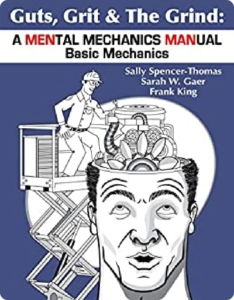

The unseen risk behind “tough” energy jobs The energy workforce is known for being tough, resourceful, and resilient, but that reputation can hide serious mental health risks.
Energy workers face high suicide risk compared with many other sectors, driven by long shifts, remote work, physical danger, and constant pressure to keep production online.
Cultural norms—especially among men—often discourage talking about mental health or asking for help, reinforcing a “suck it up” mentality.
When struggling employees believe silence is part of the job, problems stay hidden until they show up in incidents, substance use, or crises.
Redefining resilience in the energy sector Real resilience is not about ignoring pain; it is about having tools, support, and the courage to face it.
Organizations that simply tell workers to “get help” without changing culture or systems leave most people unsure where to go or whether it is safe to speak.
Energy leaders can:
Model openness by sharing their own challenges, using believable language rather than polished slogans.
Normalize mental health check‑ins during safety meetings, toolbox talks, and pre‑job briefings.
Frame help‑seeking as part of being a professional who wants to go home safe—in body and mind.
Beyond posters and hotlines: practical tools for leaders Posters and hotline numbers matter, but workers also need skills and scripts they can use in real conversations.
Managers, foremen, and crew leads are often the first to notice changes—if they know what to look for.
Key steps:
Train leaders to spot warning signs: mood swings, withdrawal, increased conflict, risky shortcuts, or sudden drops in performance.
Introduce “psychological toolbox talks” that pair safety topics with brief discussions about stress, fatigue, and mental health.
Make it routine to ask, “How are you doing, really?” and listen long enough to hear the answer.
Build clear pathways to support: EAP, peer support, supervisors, and local mental health resources.
Mental health as a business and safety imperative The American Psychiatric Association Foundation notes that presenteeism—people showing up but unable to focus—can cost more than absenteeism.
In high‑hazard environments, struggling workers are more likely to make mistakes, overlook hazards, or be injured on the job.
Benefits when companies prioritize mental health:
Fewer safety incidents and near‑misses as workers feel safer speaking up.
Better retention and recruitment, especially among younger workers who expect psychological safety.
Stronger team cohesion and trust, which supports performance during outages, storms, and emergencies.
Why a lived‑experience suicide prevention speaker helps energy leaders A speaker who has survived suicide attempts and lived with depression brings authenticity energy workers respect more than abstract statistics.
Frank King, The Mental Health Comedian, has worked with high‑risk professions—including oil, gas, and utilities—using humor and storytelling to make tough topics approachable.
What organizations gain:
Sessions tailored to the realities of field crews, plant operators, and control‑room staff, not just office workers.
Clear, repeatable language for leaders and peers to have hard conversations without feeling like therapists.
A shared framework for treating mental health as part of safety, not an afterthought.