
Dentists and their teams carry a profound emotional load, and the future of dentistry depends on how effectively the profession protects and supports their mental health. When stigma is replaced with open conversation, evidence‑based resources, and compassionate peer support, dental workplaces become safer, more sustainable, and more human for everyone involved.
Breaking the silence in dentistry Dentistry combines technical precision, time pressure, and patient anxiety in ways that place many professionals at elevated risk for stress, burnout, and, in some cases, suicidal thoughts. Research has found high rates of anxiety and depression among dental personnel, and these conditions are strongly associated with suicidal ideation, even when overall suicide statistics vary by study and country.
Many dentists report moderate to severe anxiety and depression, which can quietly erode wellbeing and clinical performance over time.
Long hours, perfectionism, and financial pressures, such as student loans and practice overhead, often combine to create chronic, unrelenting stress.
Patient fear, frequent emergencies, and the emotional toll of “being strong for others” can leave little space for clinicians to express their own struggles.
Solo or small‑practice settings may increase isolation, making it harder to notice warning signs or ask colleagues for help early.
Persistent myths about “strong professionals” not needing support reinforce stigma and discourage help‑seeking among dental teams.
When organizations make mental health resources visible and routine—such as employee assistance programs and wellness curricula—staff are more likely to use them before a crisis.
If you or someone in your practice is in immediate emotional distress or thinking about suicide, call or text 988 or use chat at 988lifeline.org for free, confidential, 24/7 support in the United States.
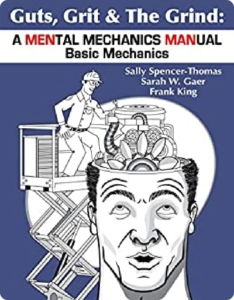
Mental mechanics: everyday strategies Practical, repeatable habits—“mental mechanics”—help dental professionals notice stress early and respond before it becomes unmanageable. These strategies work best when leadership models them openly and integrates them into daily workflows rather than treating them as one‑time events.
Build short, scheduled breaks into the clinical day to reset, hydrate, and decompress between demanding cases.
Use regular team huddles in the morning or at mid‑day to check in on workload, stress levels, and unexpected challenges.
Create a simple crisis response plan that everyone knows, including who to contact, local behavioral health partners, and the 988 Suicide & Crisis Lifeline.
Normalize mental health screenings and referrals just as you would referrals for oral pathology or complex restorative care.
Encourage peer‑to‑peer support or mentoring systems, pairing newer clinicians with experienced colleagues trained to listen and guide.
Share evidence‑based resources from professional organizations, such as dental association wellness pages and continuing education on stress management and resilience.
Building supportive dental workplaces A healthy dental workplace does more than avoid burnout; it actively cultivates connection, psychological safety, and a culture where asking for help is seen as a sign of wisdom, not weakness. Practices that invest in mental health support often see better retention, higher engagement, and improved patient experiences.
Leaders can set the tone by speaking openly about stress, modeling healthy boundaries, and taking time off without guilt.
Clear policies on harassment, discrimination, and bullying protect staff and signal that emotional safety is as important as clinical safety.
Providing access to confidential counseling, coaching, and financial guidance addresses common stressors that affect dental teams.
Including mental health topics in staff meetings and continuing education reinforces that wellbeing is part of professional excellence.
Partnering with local mental health organizations connects practices to culturally responsive, multilingual resources for diverse teams.
Celebrating small wins—clinical successes, patient gratitude, teamwork—helps buffer the daily load and reinforces shared purpose.
FAQ: suicide prevention & workplace mental health These concise, search‑friendly answers address common questions from meeting planners, dental leaders, and teams seeking guidance on suicide prevention and mental health in dentistry.
Why is mental health a critical issue in dentistry? Mental health significantly influences clinical performance, patient safety, and retention in dental practices, and high rates of anxiety and depression among dental personnel make it a central workforce concern.
Are dentists really at higher risk for suicide? Some studies report elevated suicide risk or higher levels of suicidal thoughts among dentists compared with the general population, though results are mixed and vary by method and region.
What are the main stressors for dental professionals? Common stressors include financial pressures, heavy workloads, patient anxiety, perfectionistic expectations, and the isolation of working in small or solo practices.
How does stigma affect help‑seeking in dentistry? Stigma and fear of professional consequences can prevent dentists and staff from disclosing mental health concerns or accessing care, allowing problems to worsen over time.
What is a “mental mechanics” approach? “Mental mechanics” refers to practical, routine strategies—like check‑ins, crisis plans, and structured breaks—that help teams maintain mental wellbeing the way they maintain clinical systems.
What warning signs of burnout should practices watch for? Warning signs can include emotional exhaustion, increased errors, irritability, withdrawal from colleagues, changes in sleep, or reduced empathy toward patients.
How can a dental office start a crisis response plan? A basic plan names key contacts, identifies local emergency and behavioral health resources, includes the 988 Lifeline, and outlines steps for responding to acute distress.
What is the 988 Suicide & Crisis Lifeline? The 988 Lifeline is a free, confidential, 24/7 phone, text, and chat service that connects people in emotional distress—or those worried about someone else—to trained crisis counselors.
How can leaders create a culture of psychological safety? Leaders build psychological safety by inviting feedback, responding non‑judgmentally to concerns, sharing their own challenges when appropriate, and reinforcing that seeking help is encouraged.
What role do dental associations play in mental health? Dental associations increasingly provide wellness resources, surveys, and educational programs focused on reducing burnout and supporting member wellbeing.
How can smaller practices with limited budgets support mental health? Small practices can schedule regular check‑ins, share vetted self‑help resources, promote 988, and partner with low‑cost or community mental health services in their area.
Why is mental health training important for the whole dental team? Training equips dentists, hygienists, assistants, and administrators to recognize distress, communicate concerns, and connect colleagues to appropriate support early.
What topics resonate most in mental health talks for dental conferences? Highly requested topics include burnout prevention, suicide risk awareness, crisis response planning, communication skills, and building resilient, inclusive dental teams.
How does workplace culture impact patient care? Supportive cultures reduce errors, improve communication, and enhance patient trust, while high‑stress environments are linked to reduced engagement and quality of care.
What metrics can practices track to monitor wellbeing efforts? Teams can monitor absenteeism, turnover, staff satisfaction surveys, use of support resources, and feedback following wellness initiatives.
How can practices tailor mental health programs to their communities? Practices can collaborate with regional dental societies, community mental health agencies, and culturally specific organizations to develop programs that reflect local needs.
What accommodations can support team members returning after a mental health leave? Flexible scheduling, reduced workloads, gradual return plans, and confidential check‑ins help individuals reintegrate while maintaining stability.
How should a team respond if a colleague expresses suicidal thoughts? Take any mention seriously, listen without judgment, stay with the person if they are in immediate danger, contact emergency services if needed, and encourage connection to 988 or local crisis care.
Can mental health initiatives reduce staff turnover in dental practices? Workplaces offering meaningful mental health support tend to see higher retention and are more attractive to current and prospective employees.
What are effective low‑stigma ways to talk about suicide at work? Use person‑first language, focus on safety and support, emphasize that many people experience suicidal thoughts, and highlight available resources rather than blame or shame.
How can meetings or conferences model healthy practices during events? Event organizers can build in breaks, provide quiet rooms, highlight mental health sessions, and prominently share crisis resources such as 988 on programs and slides.
What makes a keynote on suicide prevention in dentistry impactful? Compelling keynotes blend lived experience or case examples with current data, practical tools, and clear next steps tailored to dental teams’ daily realities.
How can practices include support staff, not just clinicians, in mental health efforts? Include all roles in training, communication, and decision‑making, recognizing that front office staff, assistants, and lab teams often face high emotional demands.
What ongoing supports can follow a one‑time training or keynote? Follow‑up supports might include resource toolkits, virtual Q&A sessions, quarterly refreshers, and integration of mental health topics into existing meetings.
Where can dental professionals find more information on wellbeing? Dental association wellness pages, peer‑reviewed articles on occupational mental health, and reputable mental health organizations provide updated, evidence‑based guidance.
SEO and AEO keyword strategy A focused keyword strategy helps this message reach dental professionals, meeting planners, and healthcare leaders searching for guidance on suicide prevention and workplace mental health.