
Spine Care, High Stakes, Human Limits: Why Physician Mental Health Matters
Most spine surgeons and spine‑care professionals chose medicine to heal: to relieve pain, restore function, and change lives. What fewer people talk about are the relentless pressures—long hours, complex cases, high complication risks, and the quiet fear that one mistake could be devastating. Those pressures are associated with high rates of burnout, depression, and suicidal thoughts among physicians in many specialties, including surgery.
The Hidden Epidemic Behind Clinical Excellence Common realities for spine‑care teams:
Chronic sleep deprivation and workload intensity.
Constant exposure to patients’ pain, fear, and high expectations.
Documentation, RVU pressure, and institutional metrics on top of clinical demands.
When mental health is taboo:
Physicians hide depression, anxiety, or substance use for fear of stigma or licensing consequences.
Colleagues may notice changes but feel unsure or afraid to ask.
Reframing Burnout and Depression Burnout and depression are not signs of weakness or poor character.
They are predictable responses to:
Prolonged workload that exceeds human limits.
Moral distress when resources don’t match patient needs.
System issues (EMRs, staffing, reimbursement) beyond any one person’s control.
Just as infection or injury are treated as clinical realities, depression and fatigue deserve the same non‑shaming approach.
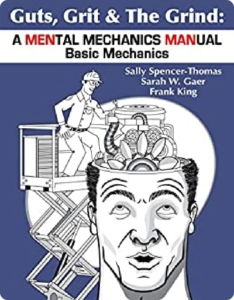
Practical Steps: A “Mental Mechanics” Toolbox for Spine Care Open dialogue:
Include brief mental‑health moments in conferences, M&M, and department meetings.
Normalize asking colleagues, “How are you holding up?” and waiting for a real answer.
Peer support and tools:
Create confidential peer‑support programs or buddy systems.
Encourage personal crisis plans: early‑warning signs, coping strategies, and trusted contacts.
Provide training in recognizing suicidality and connecting colleagues to care.
Using humor wisely:
Shared, respectful humor about the absurdities of perfectionism can reduce shame.
Laughter opens the door for truth: “If you’re laughing, you’re in the club—you’re not alone.”
Why Bring in a Suicide‑Prevention Speaker for Spine Professionals A speaker with lived experience and a grasp of clinical culture can:
Speak frankly about depression and suicidality in physicians without sensationalism.
Translate mental‑health science into practical, day‑to‑day tools for individuals and teams.
Help leaders see wellbeing as central to patient safety, innovation, and retention—not a side topic.
25 FAQs from Meeting Planners Booking a Suicide‑Prevention & Workplace‑Mental‑Health Speaker 1. Is this program designed for physicians and spine‑care teams?
Yes. The content is tailored to surgeons, interventionalists, advanced practice providers, nurses, therapists, and administrators in spine and related specialties.
2. Will it work for mixed clinical/non‑clinical audiences (clinicians, admins, industry)?
Absolutely. Mixed audiences help everyone understand how culture, systems, and individual wellbeing fit together.
3. Is the focus only on suicide, or broader mental health too?
Both. The talk covers burnout, depression, anxiety, moral injury, and substance use, plus specific, practical guidance on suicide warning signs and what to do when you’re concerned about a colleague—or yourself.
4. What are the main objectives of the keynote?
Normalize mental‑health conversations among clinicians, reduce stigma, reframe burnout as a system plus person issue, and teach simple “notice–ask–connect” skills for peers and teams.
5. How long is a typical keynote?
Standard is 45–60 minutes, with options for 20–30 minute plenaries and 75–90 minute interactive sessions depending on your agenda.
6. Do you offer workshops or breakout sessions in addition to the keynote?
Yes. Options include leadership sessions for department chairs, wellness champions, or NCSS board members; clinician‑focused workshops; and interdisciplinary team trainings.
7. Do you speak directly about physician suicide?
Yes, using safe, non‑graphic language that focuses on warning signs, protective factors, and help‑seeking, aligned with safe‑messaging recommendations.
8. How do you keep such a serious topic from feeling too heavy for clinicians already under strain?
By combining appropriate humor, lived experience, and practical tools. Participants usually describe the session as validating and hopeful rather than draining.
9. Is the material evidence‑informed?
Yes. It draws on research about physician burnout, depression, and suicide risk, and on recommended approaches such as organizational interventions, peer support, and structured referral pathways.
10. Who is the ideal audience size?
It works for national conferences, regional meetings, grand rounds, and departmental retreats; delivery is adjusted for both large ballrooms and smaller rooms.
11. Can the session be customized to NCSS or our specific spine‑care context?
Definitely. With a planning call, examples and terminology can be tuned to spine surgery and interventional practice, academic vs. private settings, and your organizational culture.
12. What concrete skills will attendees gain?
How to recognize warning signs in themselves and colleagues, how to ask “Are you okay?” in a direct but respectful way, what to say (and avoid) when someone shares suicidal thoughts, and how to connect them with internal and external resources.
13. Do you provide handouts or follow‑up tools?
Yes—one‑page tools with warning signs, self‑checklists, conversation prompts, and crisis‑plan templates, along with optional digital resources for ongoing use in wellness initiatives.
14. How do you involve leadership and senior clinicians?
Leaders are invited into planning, encouraged to open or close the session, and can book dedicated briefings focused on culture, licensure concerns, peer‑support structures, and modeling vulnerability.
15. Can this program support our existing wellness or quality‑of‑care efforts?
Yes. It can be framed as part of patient‑safety, quality‑improvement, or wellbeing initiatives, emphasizing that clinician mental health is foundational to safe, innovative care.
16. What AV setup is required for in‑person events?
A projector and screen, a handheld or lavalier microphone, and house sound for any short clips; a brief tech check beforehand is recommended.
17. Do you offer virtual or hybrid presentations?
Yes. The content works well via major platforms with chat, polls, and Q&A; interactive virtual training has been used effectively for clinician mental‑health education.
18. How do you handle emotional reactions or disclosures during the session?
At the start, participants receive clear ground rules and resource information. They’re encouraged to step out if needed, and anyone disclosing distress is directed toward institutional supports, peer programs, or crisis services.
19. Can you incorporate our institutional wellness resources and policies into the talk?
Absolutely. Your wellness program, peer‑support offerings, EAP, and local/national hotlines can be woven into the content so attendees leave with a clear support map.
20. Will the presentation include both data and personal story?
Yes. It combines key statistics on physician wellbeing and suicide risk with lived experience and humor, making the message both credible and relatable.
21. Is the program appropriate for an audience that has heard “burnout talks” before?
Yes. It respects existing knowledge but focuses on deeper honesty, lived experience, suicide prevention, and concrete peer‑to‑peer tools, moving beyond generic self‑care slides.
22. How do you address fears that seeking help could affect licensure or credentialing?
Those fears are named directly. Attendees receive language and strategies for safer disclosure, and leaders are encouraged to clarify institutional and regulatory realities and protections.
23. Can this session count toward CME or maintenance‑of‑certification requirements?
Many organizations seek CME credit for physician‑wellness or risk‑management topics; final approval depends on your accrediting body, but objectives can be aligned with common CME standards.
24. What follow‑up options are available after the keynote?
Follow‑up can include virtual Q&A, shorter booster sessions, workshops for wellness committees or peer‑support teams, and consulting on embedding mental‑health content into ongoing education and retreats.
25. How do we know if this program is the right fit for our meeting or organization?
If your clinicians face high stakes and high stress, burnout or quiet distress is on your radar, and you want more than a generic resilience talk—specifically, a candid, hopeful, and practical approach to suicide prevention and physician mental health—this program is very likely a strong match. A short planning call can confirm fit, goals, and customization.