
Mental Health in Associations: One Conversation, One Toolbox, One Life at a Time
Professional associations are great at conferences, certifications, and advocacy. They are much less comfortable talking about depression, burnout, addiction, and suicide—especially among the leaders who are supposed to “have it all together.” Yet those very leaders and members are often carrying the heaviest invisible loads.
Why Associations Need This Conversation Many professionals in associations are:
Juggling member expectations, boards, staff, sponsors, and partners.
Traveling frequently and working long, irregular hours.
Trying to appear confident, composed, and “on” at all times.
Common but rarely discussed realities:
Chronic stress and exhaustion that never quite reset.
Increased reliance on alcohol or other coping mechanisms.
Quiet battles with depression, anxiety, or suicidal thoughts.
Barriers to speaking up:
Fear of looking weak, unprofessional, or “not leadership material.”
Worry about board perception or job security.
Lack of safe spaces to talk honestly about mental health.
From Silence to Story: How Stigma Cracks Personal experience shows:
Humor can sometimes mask pain—but it cannot heal it alone.
Real change began when the mask dropped and the conversation started.
When leaders and members share their struggles in safe spaces:
Others realize they’re not alone.
Stigma begins to lose its grip.
People feel permission to seek help before a crisis.
Courage in associations looks like:
“I don’t have all the answers, and I’ve struggled too.”
“Let’s talk about what’s really going on, not just our KPIs.”
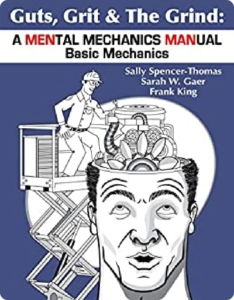
Building a “Mental Mechanic’s Toolbox” You do not need to be a therapist to make a difference. You need tools and habits.
Personal tools for leaders and members:
Regular self‑check‑ins (sleep, mood, energy, substance use).
Awareness of early warning signs of burnout or addiction.
A simple, written crisis response plan (who to call, what to avoid, where to go).
Organizational tools for associations:
Self‑assessment checklists for stress and wellbeing.
Peer‑support or buddy programs where people can talk confidentially.
Clear information on EAPs, mental‑health benefits, and local resources.
Cultural tools:
Ground rules that normalize help‑seeking as strength, not liability.
Spaces in meetings and events where mental health is on the agenda—not just as a one‑off keynote.
The Role of Leaders in Shaping Culture Association leaders set the emotional tone:
If leaders never mention stress or mental health, no one else will.
If leaders tell honest stories, others follow.
Simple leadership actions that shift culture:
Opening events with a brief acknowledgement of mental health and resources.
Sharing appropriate personal experiences with burnout or recovery.
Encouraging managers and volunteers to check in with “How are you really doing?”
Humor as a bridge:
Laughter can release pressure and make hard topics approachable.
Used well, it helps people stay in the room long enough to hear what they need.
Why Bring in a Suicide‑Prevention & Mental‑Health Speaker for Associations A specialized speaker who combines lived experience, humor, and practical tools can help associations:
Break the ice around mental health and suicide in a way that feels safe and relatable.
Connect the dots between personal wellbeing, member service, and organizational performance.
Launch or reinforce ongoing initiatives rather than delivering a one‑time talk.
Outcomes for associations:
Leaders and members who feel seen and supported.
Reduced stigma, greater use of support resources, and healthier teams.
A stronger, more sustainable community that practices what it preaches about caring for its people.
25 FAQs from Meeting Planners Booking a Suicide‑Prevention & Workplace Mental‑Health Speaker 1. Is this program designed specifically for professional associations?
Yes. The content is tailored to association executives, staff, boards, volunteers, and members, with examples that reflect their unique pressures and culture.
2. Can it work for mixed audiences (leaders, staff, and members together)?
Absolutely. Mixed audiences often work best; everyone sees their part in creating a healthier culture and supporting each other.
3. Is the focus only on suicide, or broader mental health too?
Both. The program covers stress, burnout, depression, addiction, and also provides clear, practical guidance on suicide warning signs and response.
4. How long is a typical keynote?
Standard length is 45–60 minutes. It can be shortened to 20–30
Where are the rest of the FAQs? The rest of the FAQs pick up right after question 4 and continue through question 25 below.
5. Do you also offer workshops or breakouts in addition to the keynote?
Yes. Options include leadership sessions for boards and C‑suite, staff‑only workshops, and interactive sessions for volunteers or member leaders focused on conversations, boundaries, and crisis‑response basics.
6. Do you talk explicitly about suicide?
Yes, using safe, non‑graphic language that emphasizes warning signs, hope, and how to help, in line with recognized safe‑messaging practices.
7. How do you keep the topic from feeling too heavy for attendees?
By blending humor, story, and practical tools. The tone is candid but hopeful, so people leave feeling understood and equipped, not overwhelmed.
8. Is the content evidence‑informed?
Yes. It reflects broadly accepted principles in workplace and organizational suicide prevention—education, early recognition, stigma reduction, and clear referral pathways.
9. Who is the ideal audience within an association?
Association CEOs, senior staff, boards, chapter leaders, committee chairs, and general members. The message is tuned so each group understands its role.
10. Can you customize the talk to our sector and membership?
Absolutely. Examples, language, and stories can be tailored to your industry (healthcare, construction, legal, education, etc.) and to whether the audience is mostly staff, members, or both.
11. What specific skills will attendees gain?
How to recognize early warning signs of burnout, addiction, and suicide risk; how to ask direct but compassionate questions; what to say (and avoid); and how to connect someone with appropriate resources.
12. Do you provide handouts or tools we can reuse?
Yes—one‑page tools such as self‑checklists, warning‑sign guides, “what to say” prompts, and resource templates you can adapt for your own association.
13. How do you involve leadership in the process?
Through planning calls, leader‑focused examples during the keynote, and optional board or executive‑team sessions on culture, communication, and policy.
14. Can this program support our existing wellness, DEI, or member‑care strategy?
Yes. Mental health and psychological safety are core to inclusion and engagement, and the session can be framed as part of your broader wellness or DEI roadmap.
15. What AV setup is needed for in‑person events?
A projector and screen, a handheld or lavalier microphone, and basic house sound for any short clips; a brief tech check before the session is recommended.
16. Do you offer virtual or hybrid presentations?
Yes. The material adapts well to virtual platforms with chat, polls, and Q&A to keep remote attendees engaged; virtual trainings can be effective for mental‑health education when done interactively.
17. How do you handle emotional reactions or disclosures during the session?
Clear ground rules and support options are given at the start. Participants are encouraged to step out if needed and are directed toward EAP, peer support, or crisis resources rather than processing traumatic details in the room.
18. Can you incorporate our EAP and member‑support resources into the presentation?
Definitely. Your EAP, coaching or counseling benefits, member‑assistance programs, and hotlines can be woven into the talk so people know exactly where to turn.
19. Will the session include both data and personal story?
Yes. It combines key statistics on mental health and suicide with lived experience and humor so the message is both credible and relatable.
20. Is the content appropriate for international or culturally diverse associations?
Yes. Core concepts are universal, and examples and language can be adapted for different cultures, regions, and norms within your membership.
21. How do you address leaders’ fear of “looking weak” if they talk about their struggles?
The session reframes vulnerability as a leadership strength and offers concrete examples of how sharing appropriately can build trust rather than erode authority.
22. Can this help us meet training or governance requirements around wellbeing?
Many associations use it toward internal training goals or board development; formal CE or governance‑credit eligibility depends on your accreditor, but objectives can be aligned to their standards.
23. What follow‑up options are available after the keynote?
Options include virtual Q&A, booster sessions, small‑group work with staff or chapter leaders, and consultation on integrating mental‑health content into ongoing events and communications.
24. How far in advance should we book for an annual meeting or major conference?
Ideally 3–6 months in advance for large events; smaller or virtual engagements can sometimes be booked on shorter notice depending on calendar availability.
25. How do we know if this program is the right fit for our association?
If your leaders and members are under pressure, burnout is a concern, and you want more than a generic “self‑care” talk—specifically, a candid, stigma‑breaking approach to suicide prevention and mental health—it is likely a strong fit. A brief planning call can confirm alignment with your goals, audience, and culture.