
Peer Recovery on Empty: Why Helpers Need Help Too
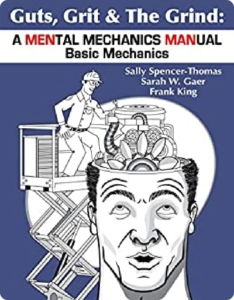
Working on the front lines of peer recovery often feels like being the mechanic everyone calls when their engine seizes or their dashboard lights up red. We’re trained to tune in, hold space, and offer hope. But too often, we forget one critical truth: mechanics need maintenance too.
The Reality of Burnout in Peer Recovery Peer workers are often:
First to be called when someone is in crisis.
Last to admit when they’re overwhelmed.
Common signs of hidden burnout:
Saying “I’m fine” while feeling anything but.
Using humor or constant busyness to mask exhaustion.
Feeling numb, short‑tempered, or detached from the work.
The work is emotionally heavy by design; feeling drained isn’t failure, it’s physics.
Why “Helpers Don’t Need Help” Is a Dangerous Myth Persistent myths in peer spaces:
“If I struggle, I’ll lose credibility.”
“I’m supposed to be the strong one.”
“Everyone else seems to handle it better.”
In reality:
Vulnerability builds trust; pretending rarely does.
Sharing our own struggles (safely and appropriately) makes it safer for others to speak up.
The best peer supporters model recovery in real time—not perfection.
Filling Your Own Toolbox (Not Just Everyone Else’s) A sustainable peer‑support “toolbox” must include tools for:
Others (referral resources, crisis lines, coping strategies).
Yourself (boundaries, supports, and backup plans).
Helpful tools for personal use:
Written self‑care plan you review before things get rough.
Crisis response card with numbers, steps, and reminders for bad days.
A short list of “3 a.m. friends” you can call when everything feels too heavy.
Simple grounding practices you can use between intense conversations.
Giving Yourself the Same Grace You Offer Others Peer work realities:
You hear trauma, loss, and fear day after day.
Your own history is often close to the surface.
Instead of “powering through”:
Acknowledge that emotional fatigue is normal.
Treat rest, therapy, and supervision as maintenance, not emergencies.
Let trusted colleagues know when you’re “running on fumes.”
Saying “I need a pit stop” is not quitting; it’s protecting your engine so you can keep going.
Smashing Stigma from the Inside Internal stigma can sound like:
“I should be over this by now.”
“If I were really recovered, I wouldn’t feel this way.”
Counter‑messages to practice:
Recovery is not linear; neither is resilience.
Needing support doesn’t erase your progress; it proves you’re still in the fight.
Every time a peer worker tells the truth about struggle, shame loses a little ground.
Holding On to Hope—Together Reasons to keep doing this work:
You’ve seen people come back from the edge.
Your story, scars, and humor give others language for their own pain.
Community is the real “secret sauce” of recovery.
Collective commitments:
Take care of yourself as fiercely as you care for your peers.
Ask for help early, not just when you’re in crisis.
Remind one another:
Your recovery matters.
Your life matters.
We keep each other running strong.
25 Frequently Asked Questions from Meeting Planners Booking a Suicide‑Prevention & Workplace Mental Health Speaker 1. What types of organizations is this topic best suited for?
Ideal for behavioral‑health agencies, peer‑run organizations, hospitals, nonprofits, state and county systems, EAPs, and any workplace that wants to support staff who hold emotional labor and lived experience.
2. Is the presentation just for peer specialists, or for all staff?
It’s designed for everyone: peer workers, clinicians, supervisors, HR, and leadership. Examples are tailored to peers, but the principles apply to anyone doing high‑stress support work.
3. What are the main goals of your keynote?
Normalize conversations about burnout and suicide, reduce stigma for “helpers,” teach simple steps to support colleagues, and show leaders how to build cultures that protect staff mental health.
4. How long is a typical keynote?
Standard is 45–60 minutes. It can be trimmed to 20–30 minutes for tight agendas or extended to 75–90 minutes when more interaction is desired.
5. Do you also offer workshops or breakouts?
Yes. Workshops can focus on peer‑specific resilience tools, supervisor responsibilities, crisis response planning, or integrating suicide‑prevention into staff training.
6. Do you speak directly about suicide, or keep it at “stress and burnout”?
Suicide is addressed directly but with safe, non‑graphic language and a strong focus on hope, help‑seeking, and concrete action.
7. How do you keep such a serious topic from overwhelming the audience?
By mixing humor, lived experience, and practical tools. The tone is real but hopeful; audiences usually leave feeling seen and equipped, not drained.
8. Is your content evidence‑informed?
Yes. It aligns with best practices in workplace mental health and suicide prevention (education, early warning signs, connection to support) and is grounded in both research and lived experience.
9. Who is the ideal audience size?
Works well for small teams and large conferences alike. Delivery is adjusted for intimate rooms, big ballrooms, or virtual/hybrid formats.
10. Can you customize the talk for our state, system, or population?
Absolutely. Language, stories, and examples can be tailored to your region, funding environment, and the communities you serve (e.g., SUD, justice‑involved, youth, veterans).
11. What specific skills will attendees walk away with?
How to recognize red flags in themselves and peers, how to start supportive conversations, how to use simple self‑care and crisis‑planning tools, and how to connect people with appropriate resources.
12. Do you provide handouts or follow‑up materials?
Yes—one‑page tools (warning signs, “what to say,” self‑care prompts, crisis card template) plus optional digital resources you can use in supervision, huddles, or training.
13. How do you involve leadership in the message?
Through pre‑event planning calls, leader‑focused segments in the keynote, and optional leadership sessions on policy, workload, and modeling vulnerability.
14. Can this program support our existing wellness or burnout‑prevention initiatives?
Yes. It integrates naturally with wellness, DEI, moral‑injury, and workforce‑retention efforts, and can help unify them under a clear mental‑health narrative.
15. What AV setup is needed for in‑person events?
Projector and screen, handheld or lavalier microphone, and basic audio if short clips are used. A brief tech check helps everything run smoothly.
16. Do you offer virtual or hybrid presentations?
Yes. The program adapts to Zoom/Teams/webinar platforms using chat, polls, and Q&A to keep online audiences engaged; virtual formats have shown strong outcomes in workplace suicide‑prevention training.
17. How do you handle emotional reactions or disclosures during the session?
The talk sets expectations, normalizes strong emotions, and clearly points people toward internal supports, hotlines, and professional help. Attendees are encouraged not to process trauma in the chat, but to seek one‑on‑one support afterwards.
18. Can you highlight our internal resources (EAP, peer program, warm lines)?
Definitely. Your EAP, peer warm lines, supervision structures, and crisis options can be woven into the content so staff know exactly where to turn.
19. Will the session include both data and personal stories?
Yes. It combines key stats about workforce mental health with lived‑experience stories and humor, making it both credible and relatable.
20. Is this appropriate for mixed audiences with both peers and clinicians?
Very much so. It can even improve understanding between roles by naming unique pressures each group faces and emphasizing shared responsibility for culture.
21. How do you address fears about job security when asking for help?
The session names those fears explicitly and offers language and strategies for safer disclosure, while encouraging organizations to clarify policies that protect help‑seeking rather than punish it.
22. Can this count toward CE or training requirements?
Many organizations use it to meet requirements for suicide‑prevention or ethics/CE on professional well‑being; final approval always depends on your accrediting body, but objectives can be written to align.
23. What follow‑up options do you offer after the main event?
Virtual Q&A, booster sessions, manager/supervisor trainings, or consultation on embedding peer‑wellness content into orientation and ongoing education.
24. How far in advance should we book?
For conferences or system‑wide events, 3–6 months is ideal; for smaller or virtual engagements, shorter timelines may be possible depending on calendar availability.
25. How do we know if this program is the right fit for our event?
If your staff are carrying heavy emotional workloads, your leadership wants to support them better, and you want a talk that’s both real and hopeful—not just a generic “self‑care” lecture—then it’s likely a strong match. A quick planning call can confirm fit and customization options.