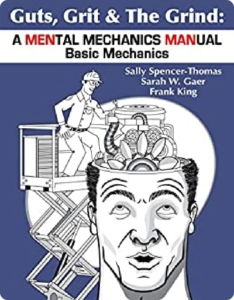

The cranes on Chicago’s skyline aren’t the only things under stress. The people building those projects are carrying invisible loads that never show up on a project schedule—but they absolutely show up in safety, performance, and retention. Below is a blog-style version of your piece, packed with bullet points plus 25 meeting‑planner FAQs (and answers) for booking you to speak on construction mental health.
The Crisis Behind the Cranes Tower cranes and high‑rises showcase the ambition of the construction industry.
Beneath the progress, a quieter crisis is unfolding: mental health struggles among workers.
This crisis doesn’t show up in blueprints, but in:
Silent suffering
Strained families
Safety incidents and near misses
Construction workers face some of the highest rates of depression and suicide of any major occupation in the U.S.
Why Construction Workers Are at High Risk Daily realities include:
Long hours and demanding schedules
Rotating crews and inconsistent teams
Pressure to deliver on time and under budget
Common stressors:
Job insecurity tied to contracts and economic cycles
Physical pain and injuries that never fully heal
“Always on” expectations from clients and leadership
These pressures stack up quickly, especially when workers feel they can’t talk about them.
The Culture Problem: Stoicism as a Default On many jobsites, the unwritten rules say:
“Don’t complain.”
“Tough it out.”
“Leave your problems at home.”
Asking a coworker about their mental health can feel:
Awkward
Out of place
Risky for one’s image or reputation
Bravado becomes a mask:
Jokes instead of honesty
Anger instead of vulnerability
Silence instead of asking for help
Why Silence Is Dangerous When people stay silent, problems intensify:
Stress turns into burnout.
Burnout can spiral into depression.
Depression, left unaddressed, can lead to suicidal thoughts.
Silence also affects:
Focus and attention on the job
Willingness to speak up about hazards
Team cohesion and trust
If no one ever hears, “I’m not okay,” no one can respond before it’s too late.
Storytelling and Humor: Unlikely but Powerful Tools Storytelling creates connection:
“If he can talk about it, maybe I can too.”
Personal stories cut through skepticism and resistance.
Humor helps people stay engaged with a hard subject:
Lowers defenses.
Makes it safer to admit, “Yeah, that sounds like me.”
Keeps the room from shutting down emotionally.
When leaders share their own struggles:
Stigma loses oxygen.
Teams see that mental health challenges are human, not “weak.”
Practical Jobsite Strategies That Work This is not about turning the trailer into a group therapy circle. It is about simple, repeatable practices:
Peer check‑ins
Encourage workers to:
Notice changes in mood or behavior.
Ask, “You doing okay?” in a real way.
Follow up instead of ignoring red flags.
Toolbox talks that include well‑being
Add short segments on:
Stress and sleep
Substance use and coping
Suicide warning signs and how to respond
Keep it brief, practical, and tied to safety—not theory.
Visible resources
Make crisis and support information as visible as:
PPE posters
Emergency numbers
Safety rules on the trailer wall
Include:
Hotlines and text lines
Local mental health providers or EAP info
QR codes or links to resources workers can use privately
Equipping People Before Stress Spirals Workers don’t need psychology degrees. They need usable tools:
Simple language for naming what they’re feeling.
Easy frameworks for checking on a coworker.
Clear next steps if someone says, “I’m not okay.”
Practical habits that support resilience:
Better sleep routines
Small breaks and movement
Reasonable boundaries with work where possible
Confidence that asking for help will be met with support, not ridicule.
The Business Case: Why Organizations Should Care Companies that treat mental health as core to culture—not a side topic—see benefits like:
Fewer lost-time incidents linked to distraction or fatigue.
Lower turnover and better retention of skilled workers.
Reduced conflict and better communication on teams.
More trust and psychological safety, which boosts innovation and problem‑solving.
A workforce that feels supported is more likely to:
Stay engaged
Go the extra mile when it counts
Recommend the organization as a great place to work
The Next Revolution in Construction Technology advances—AI, robotics, new materials—are transforming how projects get built.
The next real revolution: a culture where:
Mental health is part of safety, not separate from it.
Workers can bring their whole selves to the job without fear.
Leaders measure success not only in profit and progress, but in people.
When the hard hats come off:
Every worker should know their mind matters as much as their muscle.
Getting help should feel normal, not risky.
25 Frequently Asked Questions from Meeting Planners (and Answers) 1. What is the main focus of your construction mental health keynote?
Connecting mental health to safety, performance, and culture on the jobsite.
Showing crews and leaders practical ways to break silence, support each other, and get help early.
2. Who is this program designed for?
Field crews, foremen, and superintendents.
Safety professionals and project managers.
Executive leaders and HR teams in construction and related trades.
3. How do you keep a serious topic engaging for a construction audience?
Use humor, real stories from the field, and plain language.
Focus on what people can do, not just scary statistics.
4. Is your content appropriate for union and non‑union environments?
Yes—the message is tailored to respect whichever structure is in place.
Emphasis is on shared goals: safety, wellbeing, and job security.
5. How long is your typical keynote?
Most common: 45–60 minutes.
Can adjust from a 20–30 minute general-session spot to a 75–90 minute deep dive.
6. Do you offer workshops or breakouts in addition to the keynote?
Yes—sessions for:
Supervisors/foremen on having tough conversations.
Safety teams on integrating mental health into existing programs.
Mixed groups on peer support and warning signs.
7. What are the key takeaways for attendees?
Understand why construction workers are at higher mental health risk.
Learn simple ways to check in with coworkers.
Leave with practical tools and resource ideas they can use immediately.
8. Do you share your personal story in the session?
Yes—personal experience with mental health and suicidal thinking is part of the narrative.
It’s used to normalize the topic and create trust, not to center the talk on the speaker.
9. How do you handle audience emotions if people are triggered?
Set a respectful, supportive tone from the beginning.
Acknowledge that the topic is heavy and invite people to step out if needed.
Provide resource information for those who may want help afterward.
10. Can you incorporate our company’s mental health resources into the talk?
Absolutely—EAPs, hotlines, peer programs, and benefit info can be highlighted.
This helps turn awareness into actual utilization.
11. Is the presentation OSHA- or safety-culture friendly?
Yes—mental health is framed as part of being “fit for duty” and preventing incidents.
Parallels are drawn between physical and psychological safety.
12. How interactive is your presentation?
Includes audience engagement, relatable questions, and optional Q&A.
Can add brief peer discussions or reflection exercises depending on time.
13. What AV setup do you typically require?
Projector and screen for slides.
Handheld or lavalier microphone.
Audio capability for short video clips if used.
14. Is your talk appropriate for mixed audiences (office and field staff together)?
Yes—examples are balanced to include both jobsite and office realities.
Emphasizes how all roles contribute to a healthier culture.
15. Can you customize your content to our local market or regional issues?
Yes—stories and references can be adapted to local projects, climate, or regional challenges.
16. Do you address suicide directly, or just stress and burnout?
Suicide is addressed carefully and respectfully, as part of the real risk profile in construction.
Emphasis remains on prevention, hope, and specific actions people can take.
17. How do you ensure the message resonates with “tough” or skeptical audiences?
Use humor, honesty, and straight talk—no fluff, no lectures.
Lead with lived experience and jobsite realities, not theory.
18. Do you provide materials attendees can take away?
Options include:
One-page tools with warning signs and conversation starters.
Digital resource lists and follow-up links.
19. Can you support a larger safety stand‑down or mental health campaign?
Yes—the keynote can serve as a kickoff for a stand‑down, safety week, or long-term initiative.
20. How do you involve leadership in the conversation?
Encourage leaders to attend and be visible at the session.
Offer pre- or post-event briefings for executives on next steps.
21. Do you offer virtual or hybrid presentations for distributed crews?
Yes—virtual keynotes and workshops are available and adjusted for remote engagement.
22. How do we measure the impact of your program?
Short-term: attendee feedback, engagement, and reported comfort talking about mental health.
Longer term: tracking EAP use, turnover, and safety or incident metrics aligned with your systems.
23. What makes your approach different from a standard HR mental health talk?
Built specifically for high-risk, blue‑collar environments and jobsite culture.
Uses humor and personal story to reach people who “don’t do feelings talks.”
24. How far in advance should we book you?
Ideally 3–6 months ahead for major conferences or safety summits.
Shorter lead times may be possible depending on schedule.
25. How do we know if you’re the right fit for our event?
If your people wear PPE, juggle deadlines, and pride themselves on grit, this message will land.
A quick planning call can confirm alignment with your goals, audience, and event theme.
The skyline will keep rising. The real question is whether the people building it can keep rising too—physically, mentally, and emotionally. When the hard hats come off, every worker should leave knowing that their mind matters, their story matters, and help is never as far away as it feels.